
Custom Kitchen Design in Orlando — Layouts Built for Your Home
In Orlando, kitchens serve as the hub for family dinners, holiday hosting, and daily routines. This page covers our custom kitchen design services. We help with layout planning, cabinet configuration, and material selection. In-home consultations are available. Each project begins with measuring your space and discussing your style goals. As cabinet makers, we design kitchens that are both beautiful and buildable.
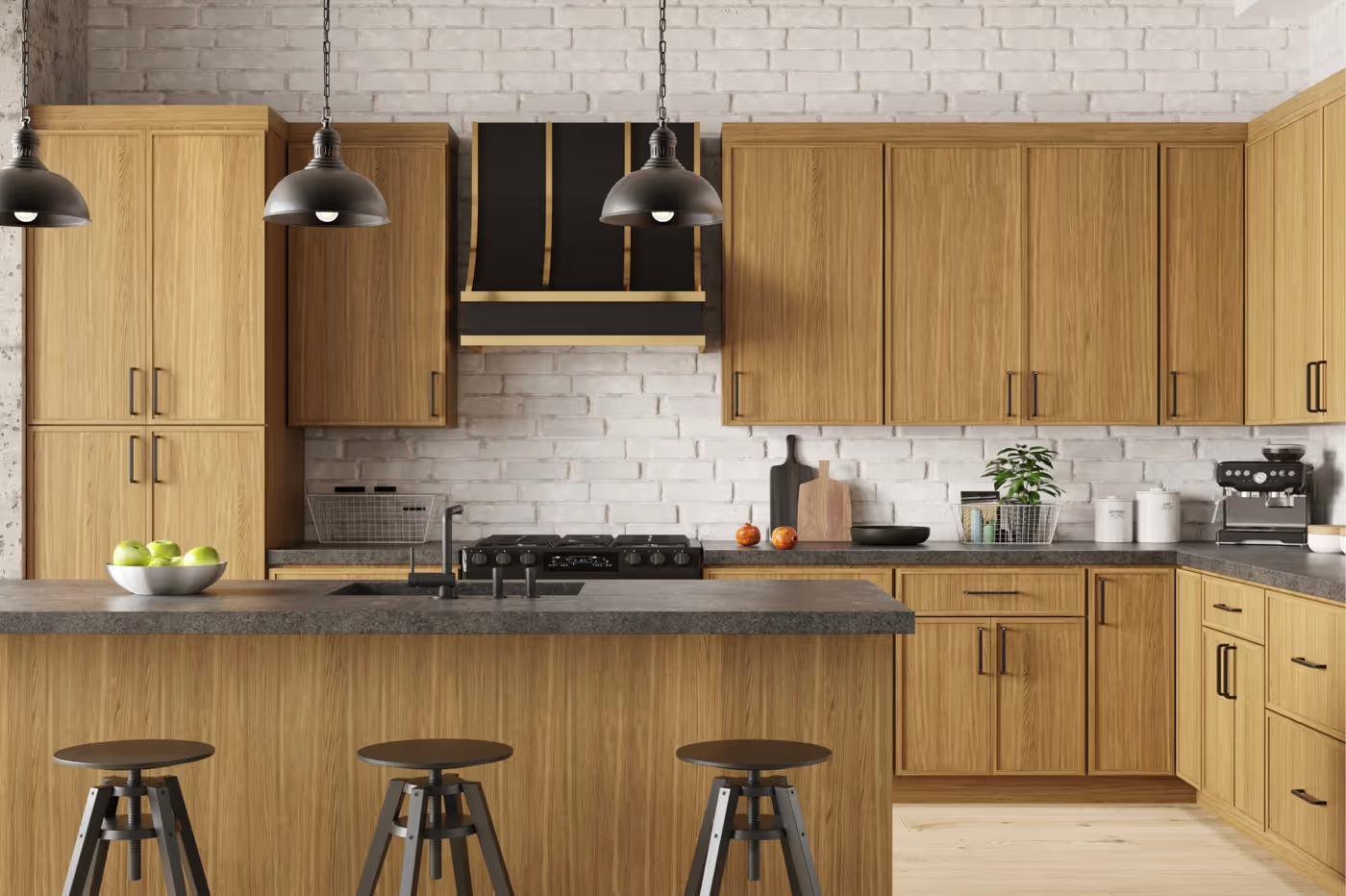
Your Current Kitchen Layout Reveals What Needs to Change
A kitchen that felt fine ten years ago may not fit how you cook and live today. Cramped prep space, awkward traffic flow, and outdated cabinet placement are common signs that your layout needs a fresh look.
We start every project by studying what you have now. This step prevents costly changes once building begins.
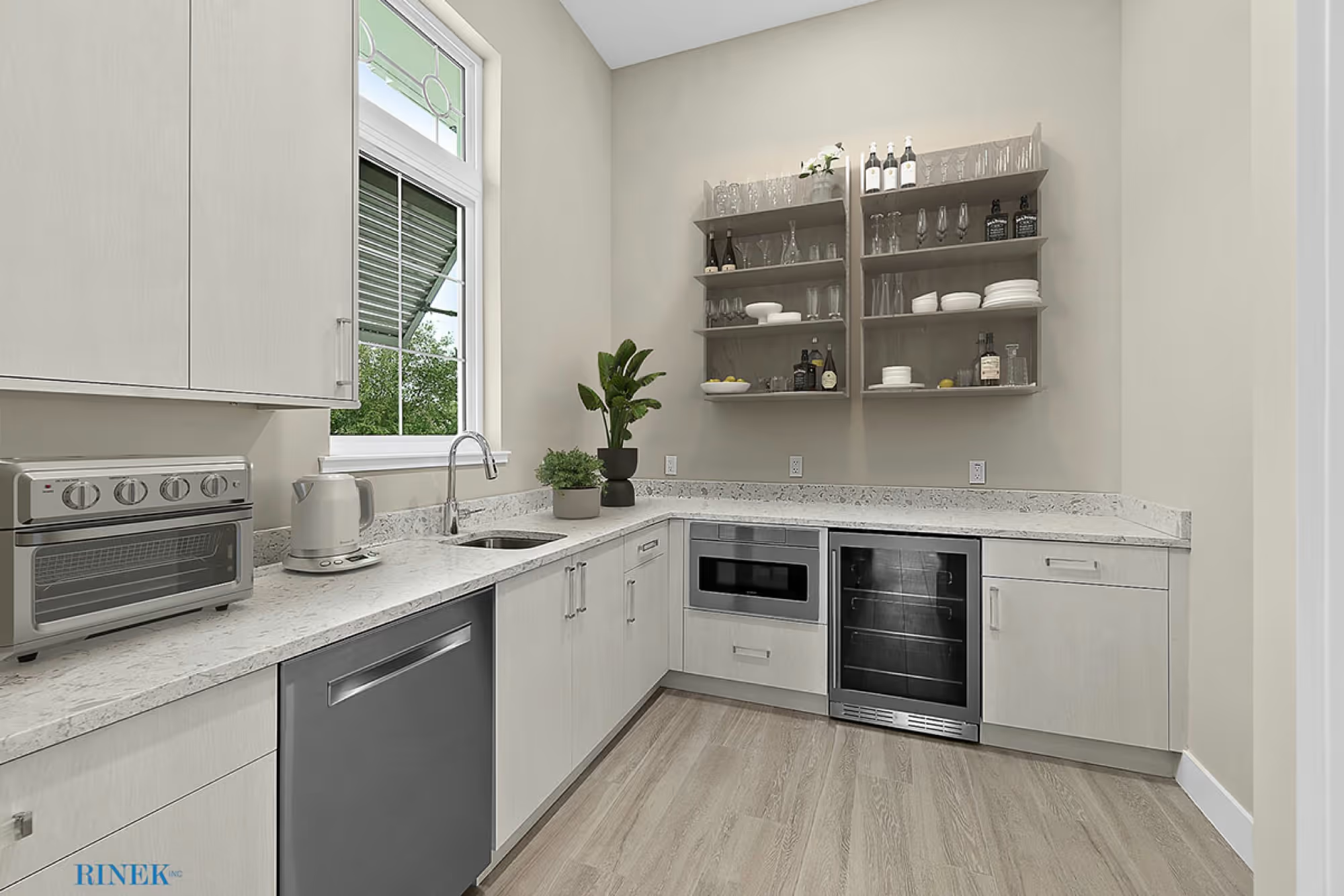
Many Orlando homes built in the 1980s and 1990s feature galley or L-shaped kitchens. These layouts often limit island options. Homes in Colonialtown and College Park frequently have original footprints worth evaluating. A quick walkthrough shows us where your kitchen works and where it holds you back.
Request a Quote
Use the form below to tell us about your project, An experienced designer will be in touch with you shortly.
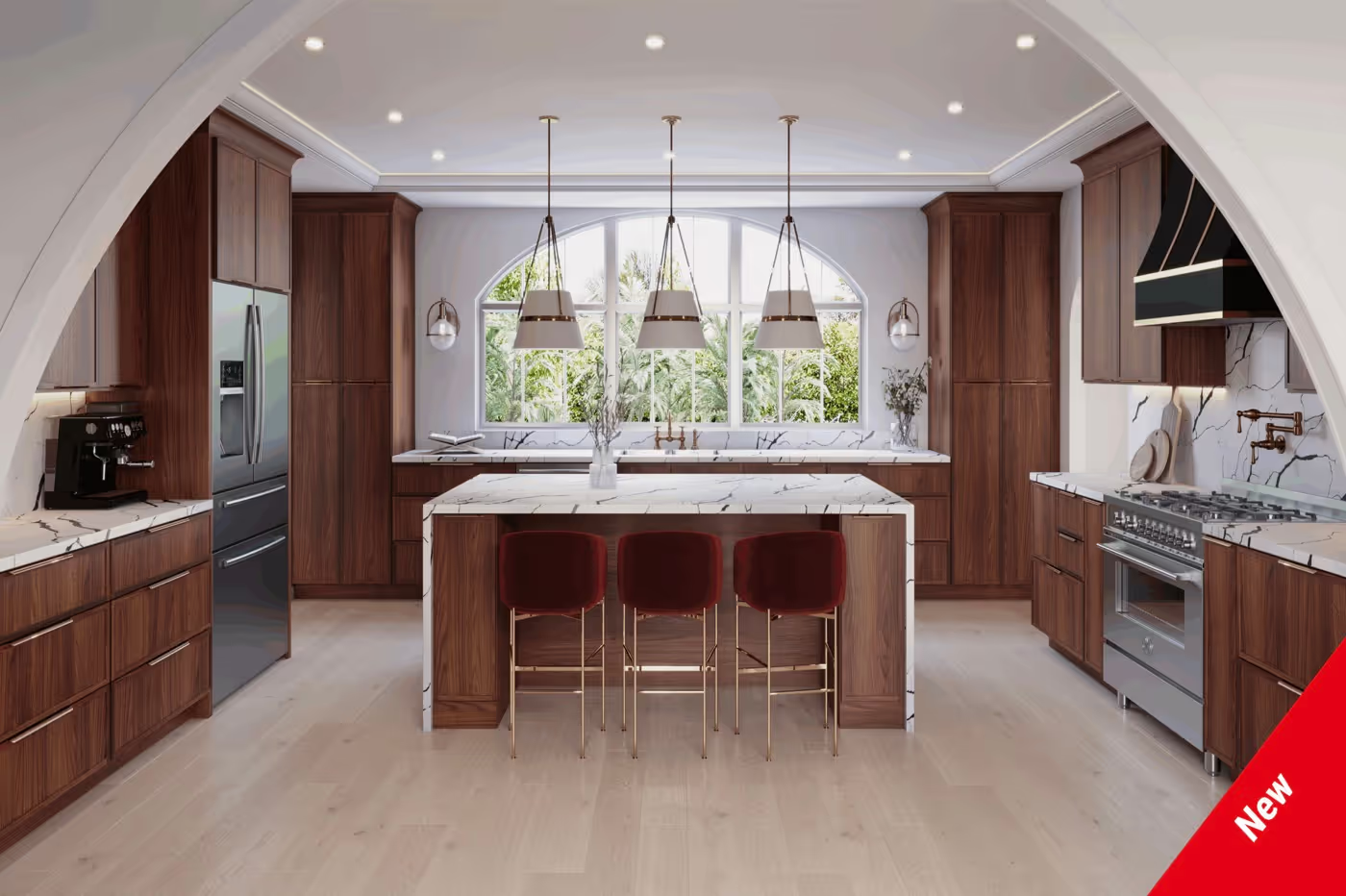
The Work Triangle Still Guides Smart Kitchen Designs
The work triangle connects your sink, stove, and refrigerator. When these three points sit within easy reach of each other, cooking takes less effort and fewer steps.
Good triangle spacing keeps each leg between 4 and 6 feet. No traffic path should cut through the middle. If you add an island, leave at least 42 inches of clearance on all sides.
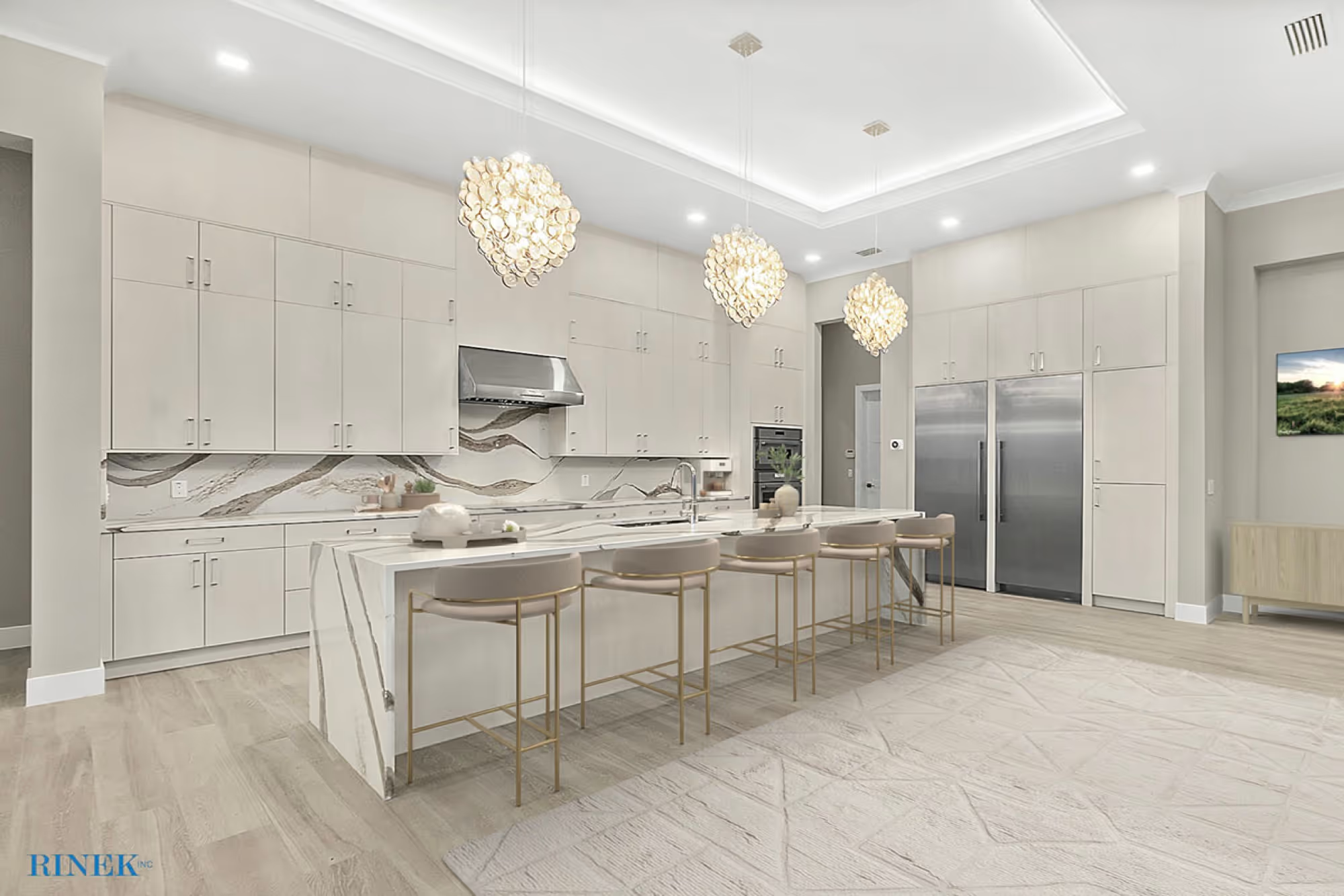
Open-concept layouts are common in Lake Nona and Horizon West. These floor plans need modified triangles. We adjust spacing so your cooking zone stays efficient while keeping sightlines to living areas clear. The goal is a kitchen that flows whether you are cooking alone or hosting a group.
Cabinet Configuration Determines Storage and Flow
How your cabinets are arranged affects every task in your kitchen. The right configuration puts daily items within arm's reach. It also uses vertical space that often goes to waste.
We design cabinets around the way you cook and store food. Pull-out shelves, deep drawers, and tall pantry units keep things organized. Corner cabinets with swing-out trays make hard-to-reach spots useful.
Orlando's humidity plays a role in what we build. Plywood box construction holds up better than particleboard in moisture. Sealed edges and quality hinges add years to your cabinets. We choose materials that perform well in Central Florida homes, not just ones that look good in a showroom.
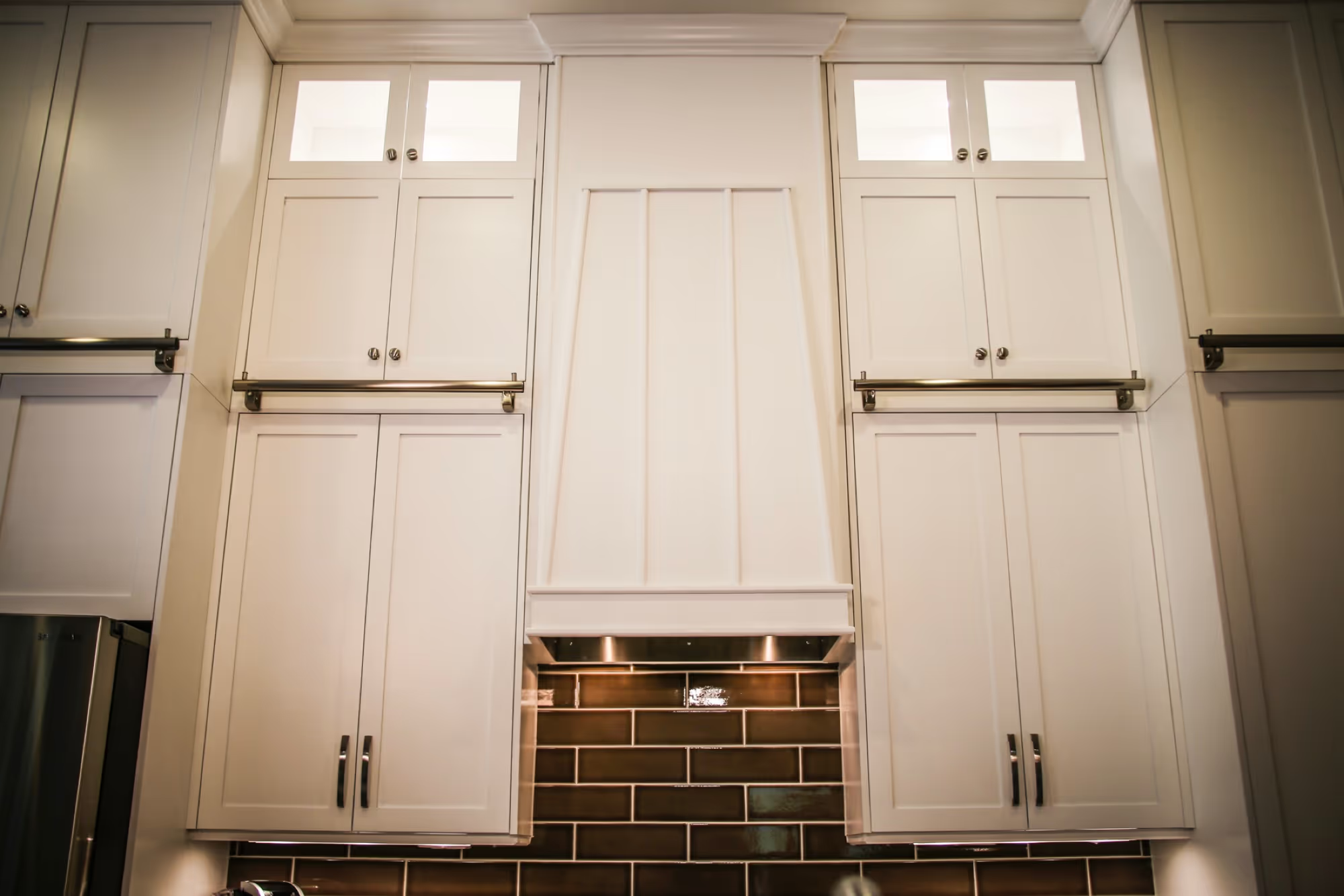
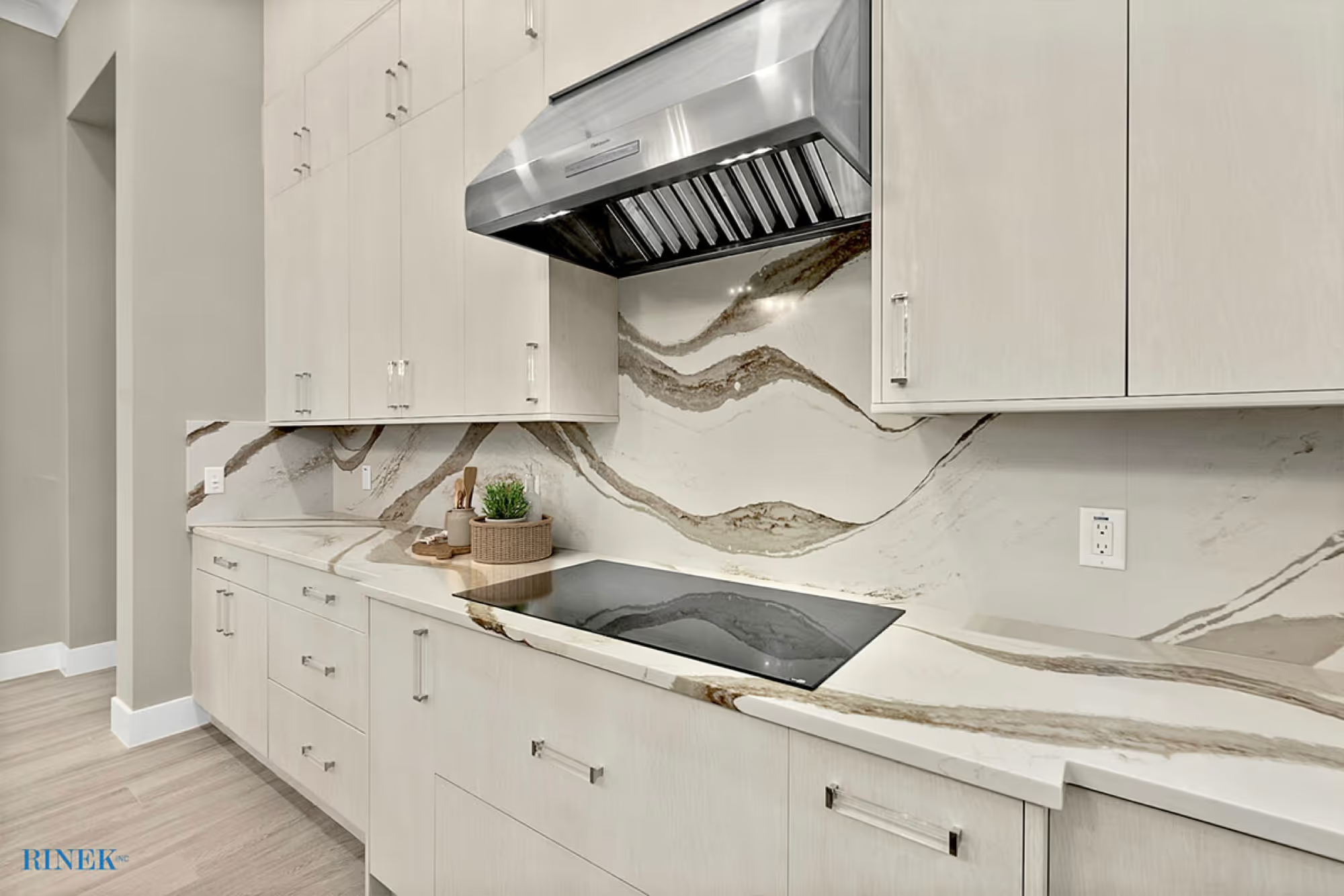
Material and Finish Choices Shape How Your Kitchen Performs
Door styles, countertops, and hardware all work together. When materials are coordinated, your kitchen feels balanced and complete.
A simple rule helps guide selections: the 60-30-10 color approach. Your main color covers 60 percent of the space. A secondary tone takes 30 percent. An accent fills the last 10 percent. This mix creates visual interest without clutter.
Lighter cabinet finishes remain popular in Baldwin Park and Winter Park. They reflect natural light and make kitchens feel larger. Across Orlando, warm tones are replacing grey finishes in 2025 projects. Matte surfaces also continue to gain ground over high gloss. We help you choose finishes that suit your style and stand up to daily use.
Climate-Smart Choices Protect Orlando Kitchens Long-Term
Central Florida's weather is tough on kitchens. Summer humidity often runs between 70 and 90 percent. Heat and moisture can warp doors, swell edges, and wear out hardware faster than expected.
We design with this climate in mind. Sealed wood edges block moisture from creeping in. Quality soft-close hinges resist rust and hold up over time. Ventilation near cooktops pulls steam away before it settles on cabinet surfaces.
Storm season also matters. Power outages can raise indoor humidity quickly. Choosing the right materials from the start means your cabinets handle these swings without damage. A kitchen built for Orlando's climate looks better and lasts longer than one designed for a milder region.
What Is the Golden Rule of Kitchen Design in Orlando?
The golden rule of kitchen design keeps your sink, stove, and refrigerator within easy reach of each other. This work triangle reduces wasted steps and makes cooking safer.
- Sink-to-stove distance stays between 4 and 6 feet
- No traffic paths should cross through the triangle
- Island placement must leave 42 inches of clearance on all sides
Orlando homes often feature open floor plans. These layouts require adjusted triangle spacing to separate kitchen work zones from living areas. When the triangle is set up correctly, your kitchen works for both quick breakfasts and large holiday gatherings.
Frequently Asked Questions
How do I start a kitchen design consultation in Orlando?
Schedule an in-home visit with our team. A designer will measure your space and discuss your goals, style preferences, and budget during the first meeting.
What kitchen layout works best for Orlando open-concept homes?
L-shaped or peninsula layouts work well for open floor plans. These configurations maintain an efficient work triangle while connecting your kitchen to living areas.
How long does kitchen design planning take before cabinets are built?
The design phase typically runs 2 to 4 weeks. Timeline depends on project complexity and how many revisions are needed before final approval.
Do Orlando kitchen designers handle permits for cabinet installation?
Cabinet installation rarely requires permits on its own. Structural changes or electrical work may need Orange County approval, which we can discuss during your consultation.
What cabinet materials hold up best in Florida humidity?
Plywood construction with sealed edges outperforms MDF and particleboard. These materials resist moisture and maintain their shape in Central Florida's humid climate.
Can I see a 3D rendering before my Orlando kitchen project begins?
Yes. Most projects include a digital walkthrough after initial measurements and material selections are complete. This helps you see the finished design before building starts.