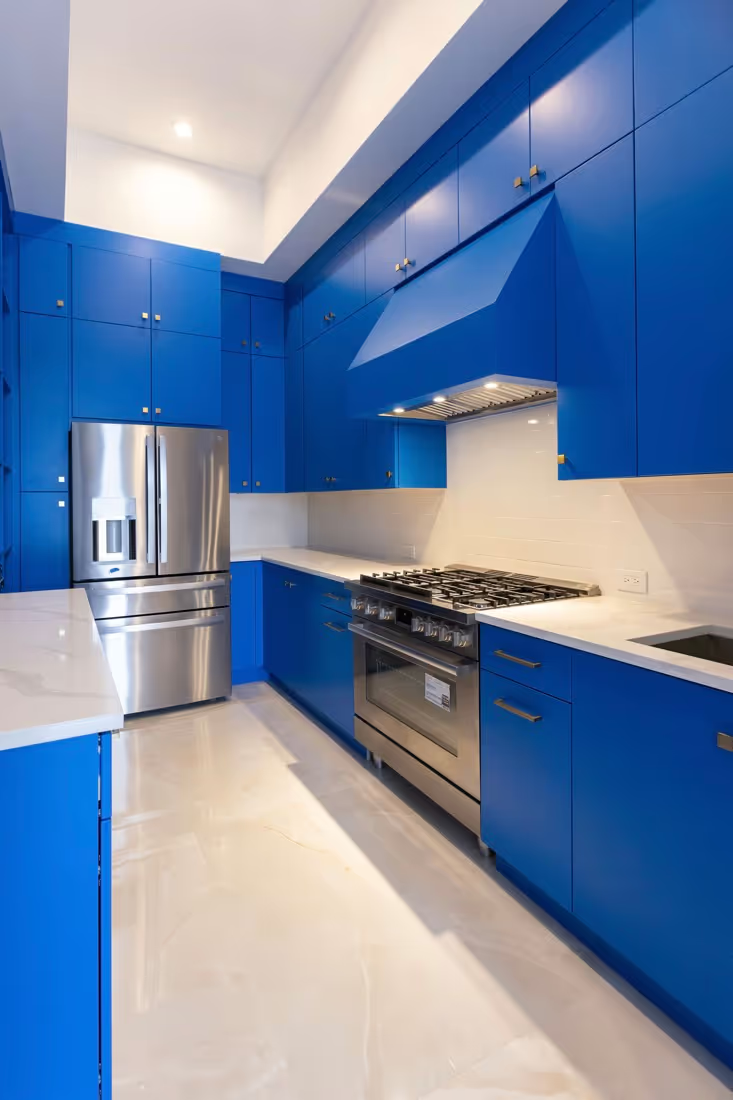
Can Cabinet Makers in Orlando Match My Existing Wood Finish?
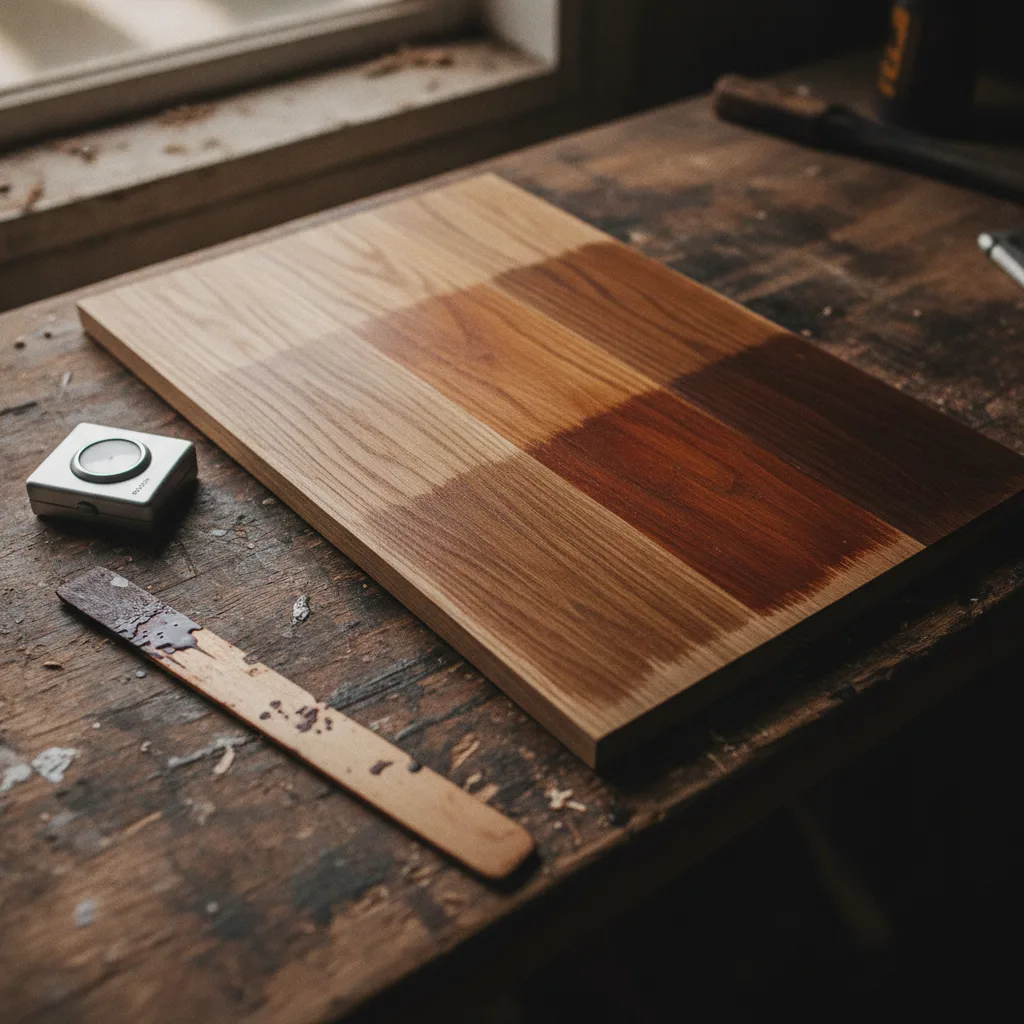
Cabinet makers in Orlando can match an existing wood finish, but it takes more than pulling a stain off a chart. A real match means testing samples against your actual wood, checking the sheen, and accounting for how Florida sun and humidity have shifted the original color over the years. A skilled cabinet maker can get you close enough to blend in from across the room, though a perfectly invisible seam under close inspection is rare.
So how does matching actually happen? It starts with the wood itself. Oak, maple, cherry, and hickory each take stain differently, and grain pattern pulls color at its own rate, so identical stain can look like two different colors depending on the species underneath it. We take a sample board, test three or four stain combinations, and hold them right up against your cabinets in daylight, not shop light. Daylight tells the truth.
Sheen matters just as much as color. A cabinet finished in satin versus semi-gloss can read as two different colors even when the stain underneath is identical. And older cabinets almost never keep their original sheen. Years of cooking grease, cleaning products, and sunlight through a kitchen window wear a finish down. We've walked into homes in Winter Garden where the client swore up and down their cabinets were satin, but fifteen years of daily wear had knocked them closer to matte.
Orlando's climate throws its own wrinkle into all of this. High humidity and strong UV through windows fade and yellow wood finishes faster than they would in a drier climate. A cabinet door that's sat in direct afternoon sun for a decade will read warmer and lighter than one tucked away in a pantry. That's why a good cabinet maker doesn't just match to the label on your original stain can. He matches to the wood sitting in front of him, right now, in your kitchen.
- Wood species and grain pattern (oak vs maple vs cherry take stain very differently)
- Sheen level, since satin and semi-gloss reflect light in different ways
- Fade and yellowing from sun exposure through windows or skylights
- Age-related wear from cleaning products and daily use
- Lighting conditions in the room where the cabinets sit
Here's a scenario we run into often. A homeowner in Lake Mary wants one new pantry cabinet to match a twelve-year-old kitchen. The stain can looks right, the wood species checks out, but the new wood sits noticeably paler next to the sun-faded originals. We toned it down with a glaze step and a slightly darker top coat, and after it sat for a few weeks, the two pieces blended together. That extra step is the kind of thing you only pick up after decades of doing this work, not from reading a stain chart.
A true side-by-side match under a magnifying glass is a tough thing to promise. But a match that looks right in your kitchen, at normal viewing distance, under your normal lighting? That's absolutely doable with the right process and a little patience.
What to Bring for an Accurate Color Match
Here's something I tell every client before they even set foot in a showroom: bring the actual piece, not just a memory of it. A color you remember from three years ago is rarely the color still sitting on your cabinets today. Wood ages, sun fades it, and kitchen grease dulls it down. The sample you bring matters more than any photo on your phone.
We've had folks show up with paint chips grabbed at a hardware store, thinking it was close enough. It never is. Wood grain, stain depth, and sheen level all change how a color reads under real light.
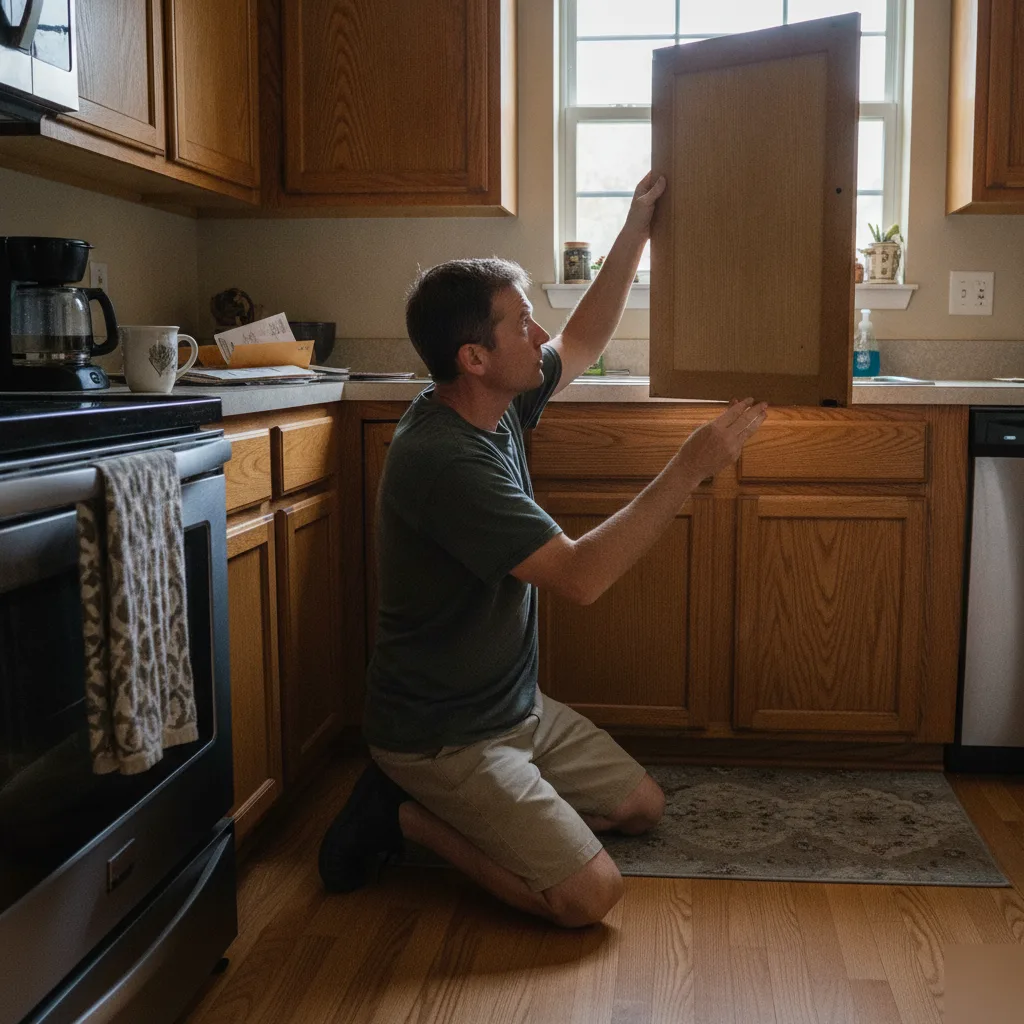
- A removable drawer front or cabinet door, if you can safely take one off
- A few photos taken in natural daylight, not under kitchen bulbs
- A close-up shot showing the wood grain pattern clearly
- Any info you have on the original wood species, like oak, maple, or cherry
- Notes on how old the cabinets are and whether they've been refinished before
If you can't remove a piece, a wide shot paired with a close-up works well. Take one photo from about six feet away, showing the whole cabinet run. Then take a second photo just inches from the wood, so the grain and stain color show up sharp. That combination lets a cabinet maker judge both the overall tone and the fine detail.
Lighting changes everything. A cabinet that looks warm and honey-toned under your kitchen's LED lights might look almost gray standing near a window at noon. That's not a trick, it's just how wood finishes react to light. We always ask to see cabinets in person when we can, near a window if possible, because natural light tells the real story.
One client in Windermere brought us a single cabinet door pulled from a pantry that had never seen direct sun. It still held its true, unfaded color. That door became our reference point for the whole kitchen, and once installed, the new pieces blended in almost perfectly.
Don't have a spare piece to bring? That's fine too. Bring what you've got, even if it's just phone photos and a rough guess at the wood species. A skilled cabinet maker in Orlando can work from partial information, though the more you bring, the closer that first sample will land.
Why Older Orlando Cabinets Are Harder to Match Than They Look
A ten-year-old cabinet doesn't look the way it did the day it left the factory. Sunlight, humidity, cooking grease, and cleaning products all change wood color over time. Here in Orlando, that aging process moves faster. Our sun stays intense nearly all year, and homes with big windows or bright kitchens see real fading on whichever side of the cabinet faces the light.
So when someone asks whether cabinet makers in Orlando can match their existing wood finish, the honest answer starts with understanding what's actually changed. It's rarely just one thing.
- UV exposure lightens or ambers the wood unevenly, especially near windows
- Old stain formulas get discontinued, so the exact can on the shelf may not exist anymore
- Years of kitchen humidity and grease build a hazy topcoat that shifts the true color underneath
- Wood species ages differently, cherry darkens over time while oak can look almost unchanged
- Sanding and refinishing history varies cabinet to cabinet, even within the same kitchen
We see this mistake all the time. A homeowner brings in a paint chip or a photo and expects a perfect match on the spot. But color on a screen or a sample board never tells the whole story. Wood grain, sheen level, and how light hits a cabinet door in your actual kitchen all play a part. A stain that looks spot-on in a showroom can look off once it's installed under your own cabinet lighting.
Take a kitchen in Winter Garden with cabinets built back in the early 2000s. The upper cabinets near the sink window had faded almost two shades lighter than the pantry cabinets across the room, cabinets that started out as one uniform color, now years apart in appearance. That's a common scenario, and it's exactly why matching takes a trained eye, not just a can of stain.
Older cabinets also hide problems you can't see until you start working. Some were finished with lacquer, others with polyurethane or varnish, and each reacts differently to new stain layered on top. Skip that step and the new wood can take color in a blotchy, uneven way.
This is where decades of hands-on experience matter. Matching an existing finish means reading the wood, testing samples on scrap that matches the species, and adjusting the mix until it disappears into the rest of your kitchen. It's part science, part trained eye, and it's not something you get right by guessing. Knowing how wood ages also helps you protect your finish over time.
Frequently Asked Questions
Can I match my own cabinet finish, or do I need a professional?
You can try it yourself, but getting a true match is hard without training. Small differences in stain depth or sheen show up fast under kitchen lighting. A professional tests several samples against your real wood before committing. This step catches problems a DIY stain kit usually misses. If your cabinets sit in direct sun or have years of wear, a pro's eye saves you from redoing the work twice.
Why does Orlando's sun make finish matching harder?
Orlando's strong, year-round sun fades and yellows wood finishes faster than in cooler climates. Cabinets near bright windows often look lighter or warmer than pieces tucked in a pantry. We've seen this play out in kitchens from Winter Garden to Windermere, where one side of a cabinet run is visibly paler. A skilled cabinet maker checks how sunlight has changed your wood before mixing any stain, not just what the original color used to be.
Will a paint store stain chip match my cabinets exactly?
No, a stain chip rarely matches real cabinets. Chips are printed on flat samples, not on wood with grain and years of aging. Your actual cabinets have picked up sun fade, grease, and cleaning wear that a chip can't show. That's why we always test stain on a real wood sample first, then hold it against your cabinets in daylight. This one step avoids the most common matching mistake homeowners make.
How long does a new cabinet piece take to blend in with older ones?
A freshly stained piece often needs a few weeks to settle in and read true against older wood. New finish can look slightly darker or more saturated right after application. As it cures and sees normal light, the tone softens and starts blending with cabinets that have aged for years. This is normal, so don't judge the match on day one. Our cabinet finish matching services account for this settling time from the start.





Orlando Kitchen Cabinets Gallery
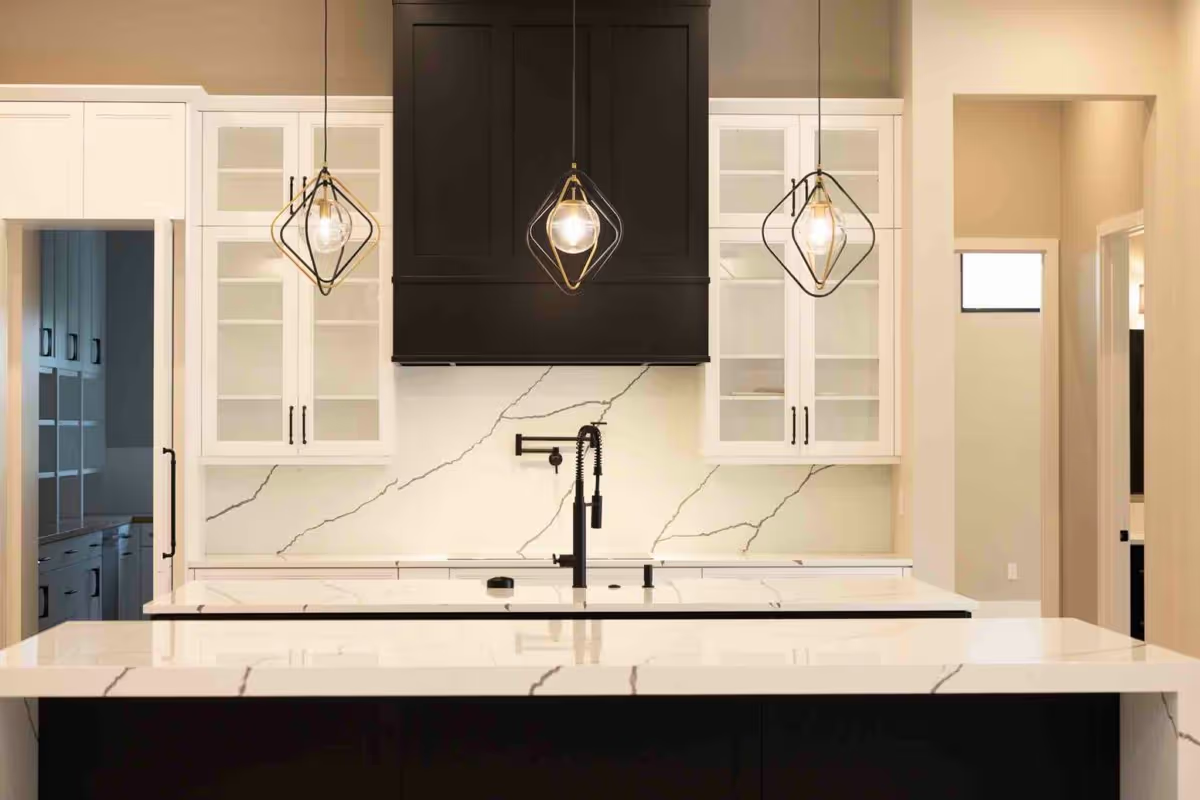
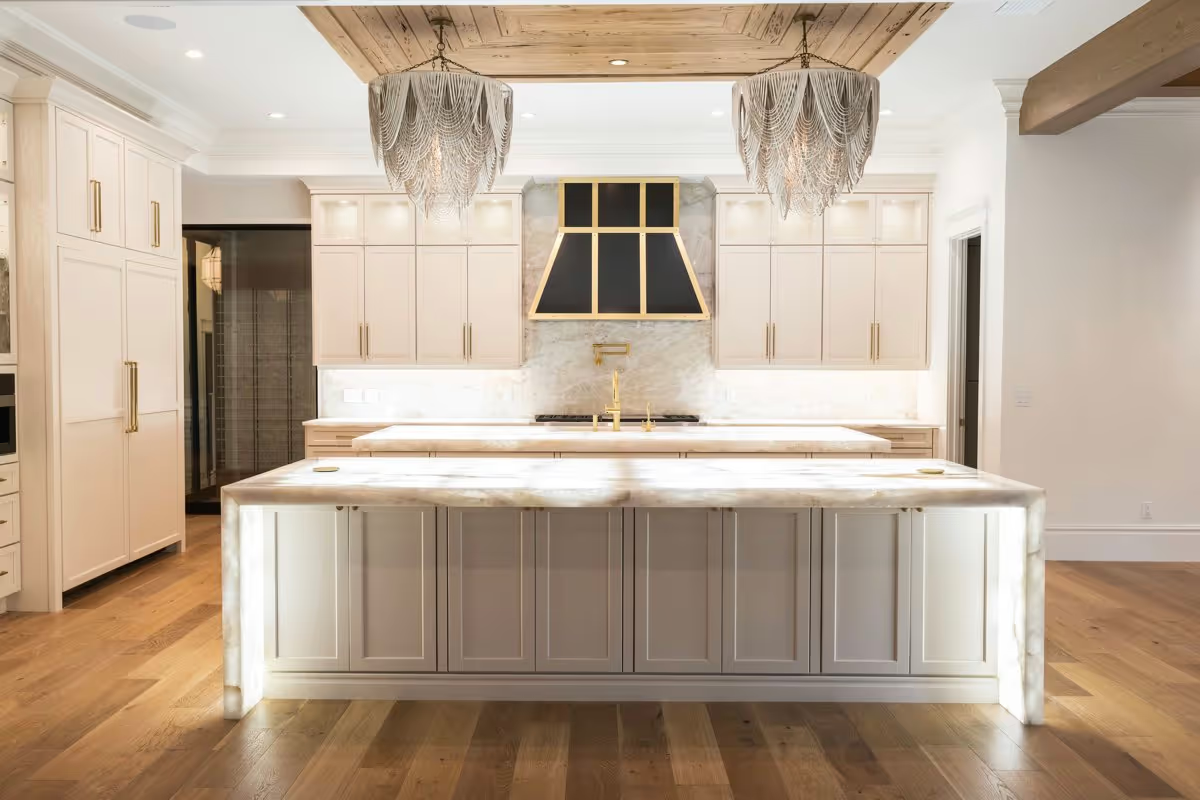
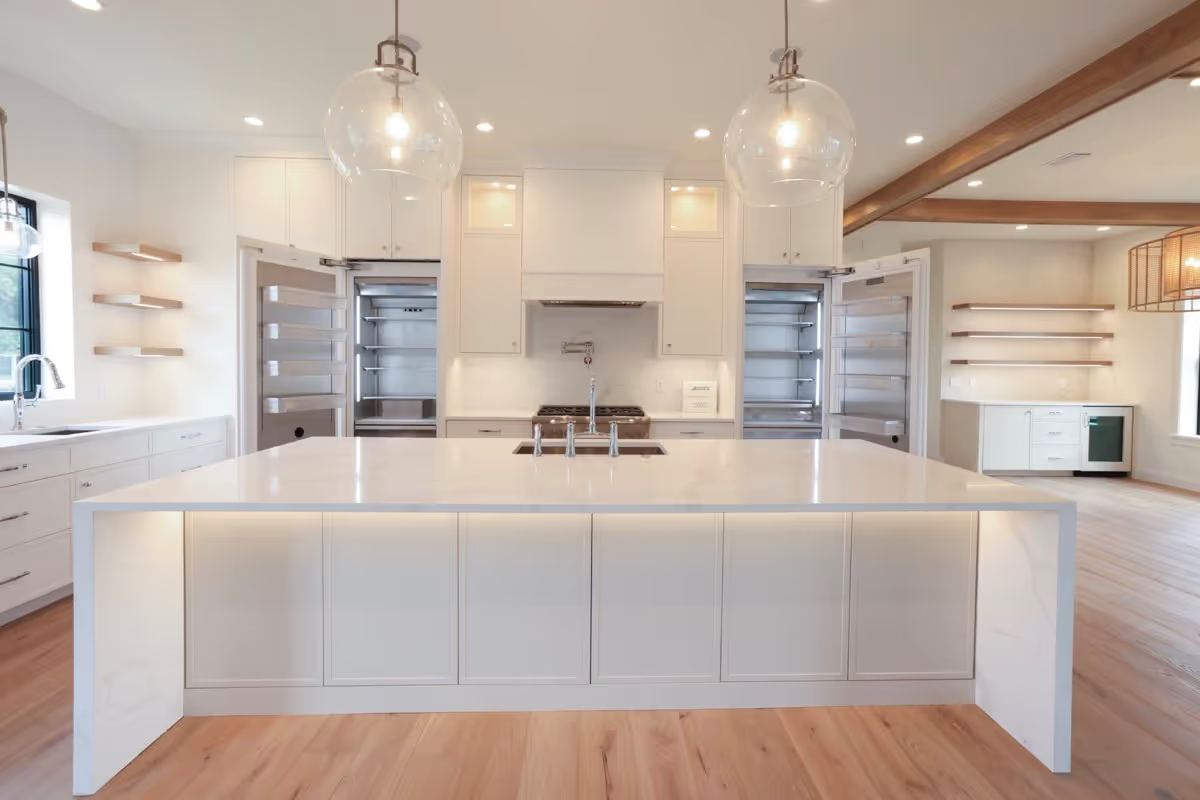
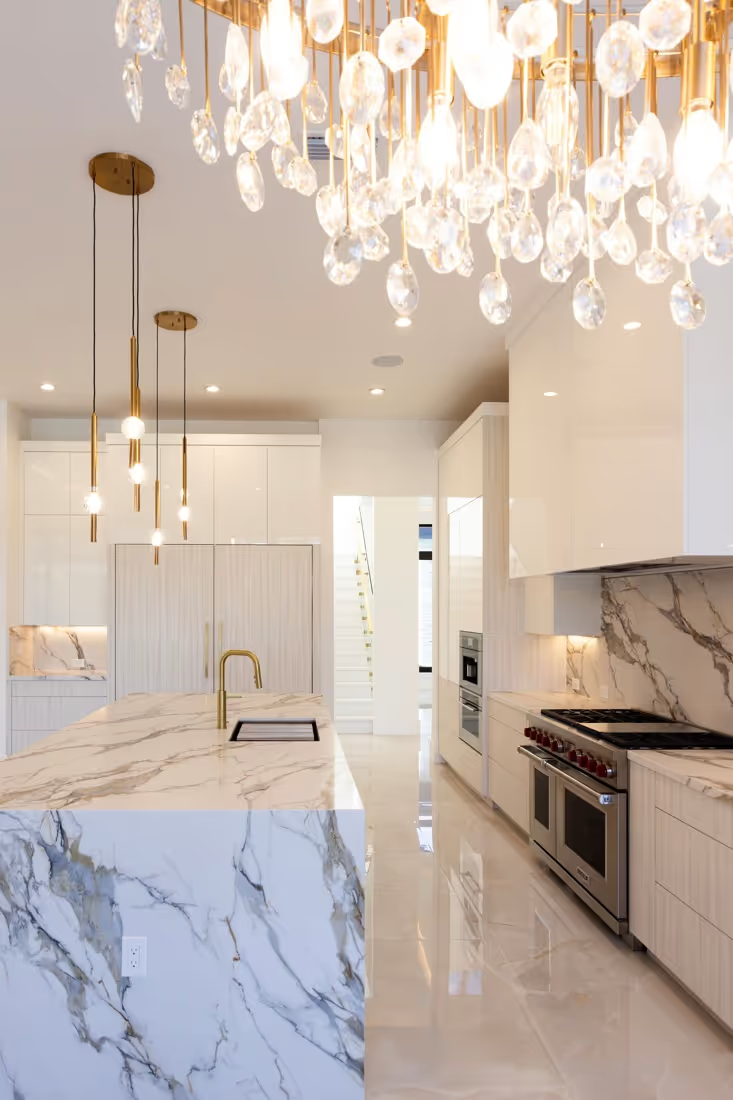
See the craftsmanship and attention to detail behind every Orlando Custom Cabinets kitchen project. Our gallery features real homes across Central Florida where we built custom cabinet solutions to fit each client's space and style. Look through our work and imagine what we can create for your kitchen.