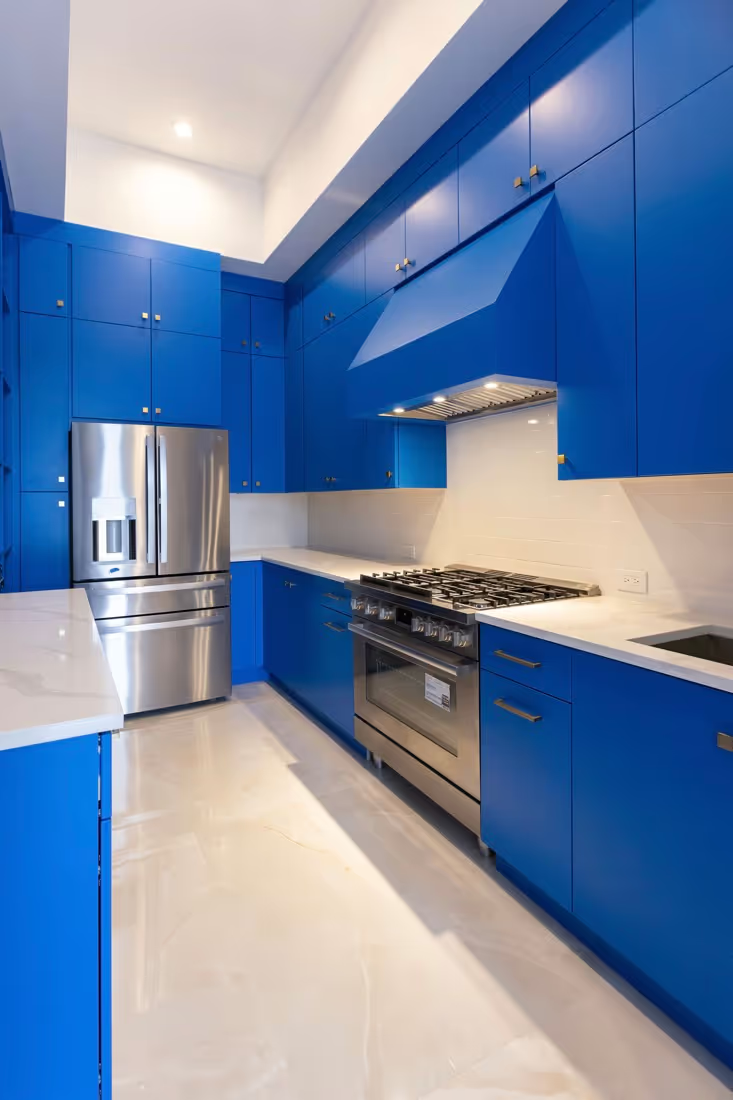
How Much Does Cabinet Installation Cost in 2026?
Cabinet Installation Costs Vary Based on Several Key Factors
How Much Does Cabinet Installation Cost in 2026? Honestly, there's no clean answer. Too many variables. What you'll actually pay comes down to decisions you make long before anyone picks up a drill.
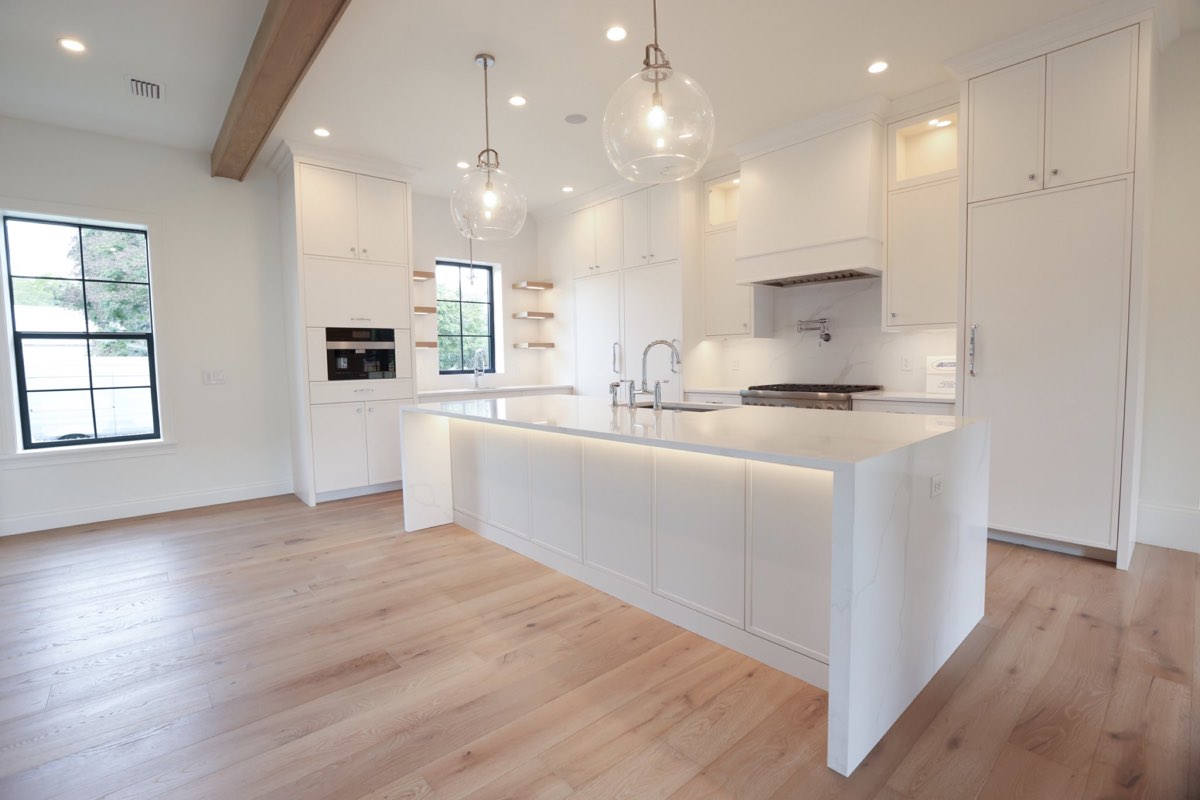
The biggest factor? Cabinet type. Stock cabinets come pre-built in standard sizes, so they're faster to hang and way more predictable from a labor standpoint. Semi-custom and full custom cabinets are a different story. They need tighter measurements, more wall prep, and a lot more patience during the fitting process. Two kitchens with identical square footage can have completely different labor hours. We see it all the time. One had standard box cabinets. The other had custom-built units with specialty hardware. Night and day.
Material plays a role too. Solid wood frames and doors are heavy, which means more time per cabinet, more fasteners, and sometimes you've got to reinforce the wall itself. Plywood boxes are lighter and more forgiving to work with. Particleboard? Lightest option, but it can be tricky near plumbing or in Florida's humidity. [SOURCE: industry material cost data]
Layout Complexity Changes Everything
A straight-run kitchen is about as simple as it gets. One wall, cabinets in a line, done. But throw in an L-shape or U-shape layout and now you've got corners. And corners are where time just vanishes. Lazy Susans, blind corner pull-outs, all that stuff requires extra fitting, shimming, and fiddling. On a job in the Milk District last spring, we spent nearly as much time on two corner units as we did on the other eight combined.
Here's something most people don't think about until they're staring at a quote. Ceiling height. Standard 8-foot ceilings? Easy. But a lot of older Orlando homes, especially in areas like College Park or Winter Park, have 9- or 10-foot ceilings. Some have vaulted sections in open-plan kitchens. That means taller uppers, custom filler pieces, stacked cabinets. All of it adds labor time.
The number of cabinets matters, sure. But the type of cabinets in that count matters more. Base cabinets with drawers take longer than door-only bases. Pantry towers are tall and heavy. Two-person lift every single time. Glass-front uppers need careful handling. And wall cabinets over a fridge or range hood? You're working around appliances and venting, which slows everything down.
Existing Conditions Drive Up Labor
Old cabinets don't always come out clean. Demo can reveal water damage behind a sink base, soft drywall from years of steam, or walls that aren't plumb or level. In Florida homes built before the 1990s, walls off by more than an inch over a 10-foot run aren't unusual at all. That means shimming, scribing, and extra fitting time that wasn't in the original scope. [SOURCE TBD: contractor field data]
Permit requirements in Orange County can affect the timeline and overall project cost structure, though they rarely change the installation labor itself. Most cabinet-only jobs don't need a permit unless you're moving plumbing or electrical. But if your project touches those systems, like adding an island with a new outlet, that changes things. Always worth asking your installer upfront.
Here's what a lot of guides get wrong. They treat removal and disposal as an afterthought. Pulling out old cabinets, especially ones that were glued, nailed into tile, or built around appliances, can eat up half a day on its own. That time has to show up somewhere in the quote. If a number looks unusually low, ask specifically what it includes for demo and haul-away.
The condition of your walls after demo also affects whether you'll need a drywall patch before the new cabinets go in. Skipping that step leads to gaps, poor paint lines, and cabinets that don't sit flush. Small thing. Big difference in how the finished kitchen looks. We don't skip it.
Stock, Semi-Custom, and Custom Cabinets Each Come With Different Price Ranges
The type of cabinet you choose is one of the biggest factors in what you'll spend. And most people don't realize there are three distinct tiers. The gap between them is wider than most guides let on. Stock cabinets sit at one end. Custom cabinets sit at the other. Semi-custom lives in the middle, and that's honestly where a lot of Orlando homeowners land.
Stock cabinets are pre-built in standard sizes. They ship fast, they're ready to install, and they cost less per linear foot than the other two options. According to the National Kitchen and Bath Association, stock cabinets typically account for the lowest per-unit spend of the three tiers [SOURCE: NKBA industry cost data]. The trade-off? Sizing. If your kitchen walls aren't perfectly standard (and in older Orlando homes they rarely are), you'll end up with filler strips and awkward gaps that a good installer has to work around.
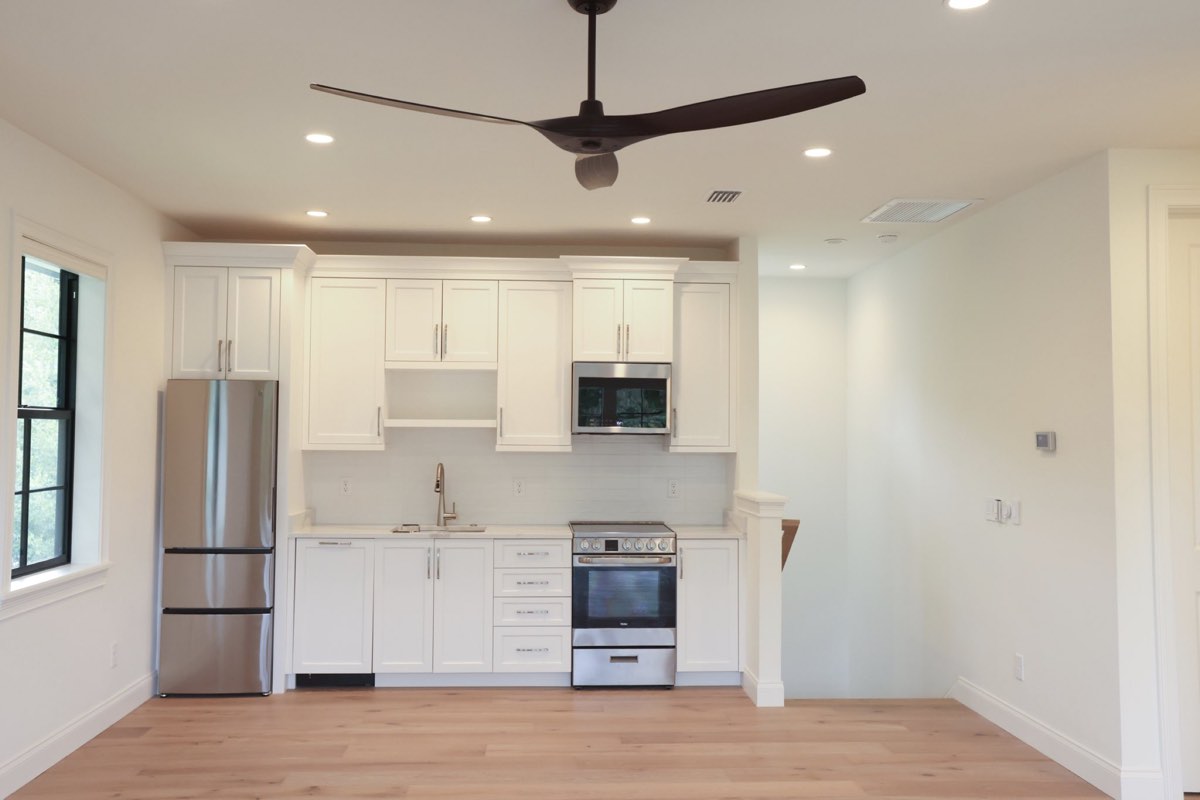
Homes built in the 1950s and 60s in neighborhoods like College Park or Colonialtown have walls that are slightly off-square. Stock cabinets can still work in those spaces. But the install takes longer than people expect, and the savings on materials can quietly shrink once labor hours get added up.
Semi-custom cabinets are built to order but within a manufacturer's set of options. You pick door styles, finishes, and specific dimensions within a range. That gives you a much cleaner fit without jumping to the full cost of custom work. HomeAdvisor reports that semi-custom cabinets represent the most popular choice among mid-range kitchen remodels nationally [SOURCE: HomeAdvisor cost report]. That lines up with what we see here in the Orlando area. Most full kitchen remodels involve semi-custom boxes paired with a custom island or a specialty hutch.
Custom cabinets are built from scratch to your exact measurements and specifications. Every inch is intentional. That matters a lot in high-end builds or in spaces with unusual angles, vaulted ceilings, or non-standard layouts. But here's what most guides miss about custom: the cost difference isn't just about materials. It's about lead time. Custom cabinets can take eight to twelve weeks or longer to arrive, which stretches your project timeline way out. According to Remodeling Magazine's Cost vs. Value report, major kitchen remodels (which typically include custom cabinetry) carry some of the highest project costs of any home improvement category [SOURCE: Remodeling Magazine Cost vs. Value Report].
One thing worth knowing. The cabinet box itself is only part of the equation. Door style, finish, and interior hardware all stack on top of the base cost. A semi-custom cabinet with a painted finish and soft-close hinges will cost more than the same box with a basic stain and standard hardware. A client in Windermere last spring chose semi-custom boxes but went with a high-end inset door style. Her final cabinet cost ended up closer to what custom would have run her. Happens more than you'd think.
And labor doesn't change much between the tiers. The installer still has to level, secure, and finish every box regardless of where it came from. A galley kitchen with stock cabinets can actually take longer to install than an open kitchen with custom ones, depending on how many corners and soffits are involved. Layout complexity matters more to labor cost than the cabinet tier does.
So the tier you choose sets a floor for your budget. Not a ceiling. What you add on top of that choice (doors, hardware, finish, layout complexity) is what really moves the number. Getting clear on that early helps you make smarter decisions before you ever reach the install phase.
Labor Costs for Cabinet Installation Are a Significant Part of the Total Budget
Most people focus on the cabinets themselves when planning a kitchen or bathroom remodel. Labor is often the bigger surprise. According to HomeAdvisor, labor typically makes up 25% to 50% of the total cabinet installation cost. [Source: HomeAdvisor, homeadvisor.com] That's a wide range. Knowing what pushes it up or down can save you real money.
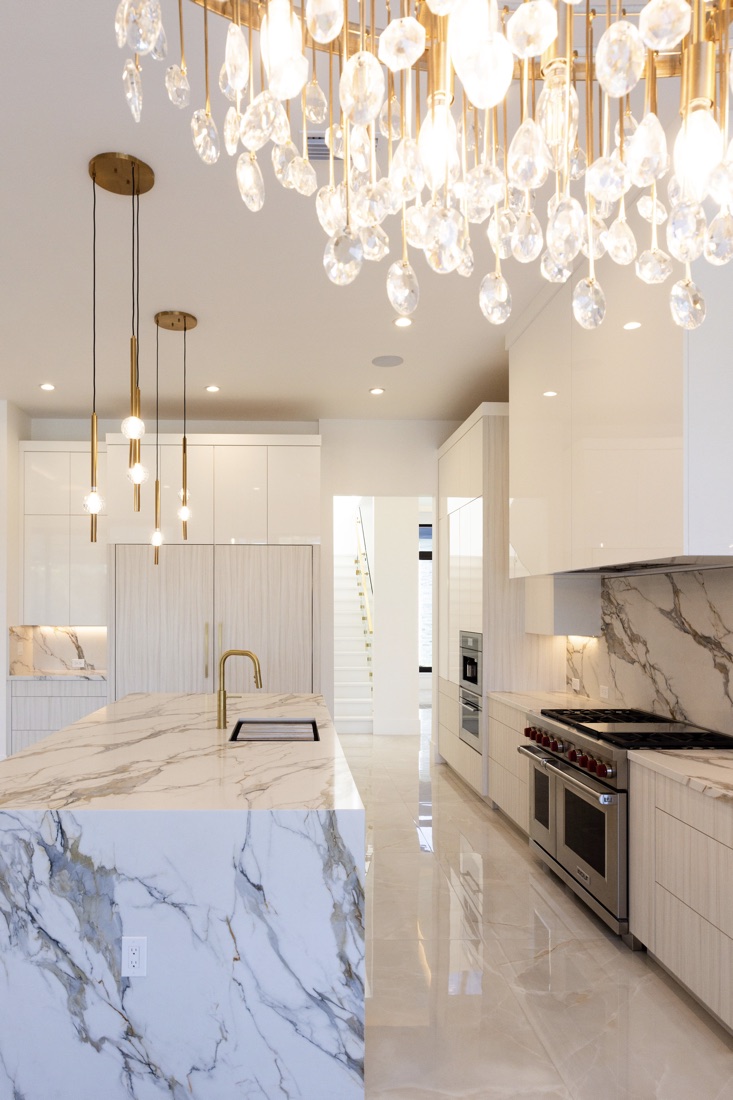
Yeah, that labor line can sting. But it's not because contractors are padding numbers.
The work is genuinely complex, and experienced installers charge accordingly. Cabinet installation isn't just hanging boxes on a wall. A skilled installer has to read the room. Literally. Walls in older Central Florida homes are rarely plumb. Floors aren't always level. We've pulled shims out of jobs where the floor had a half-inch slope across eight feet. That kind of thing adds time, and time is what you're paying for.
What Drives Labor Costs Higher
Several factors push that labor number upward. Layout matters a lot. More corners mean more cuts, more adjustments, and more time fitting pieces together cleanly. A simple galley kitchen with a straight run of base cabinets installs faster than an L-shaped or U-shaped layout with upper cabinets and an island.
Cabinet type changes the labor picture too. Stock cabinets from a home improvement store are designed for fast installation. Semi-custom and custom cabinets need more precise fitting, more on-site adjustments, and more attention to detail at every seam and edge. According to the National Kitchen and Bath Association, custom cabinet installations can take two to three times longer than stock installations. [SOURCE: NKBA installation data]
Got old cabinets coming out? That's a separate labor line. Pulling them carefully (especially if you're keeping the countertops, protecting the flooring, or salvaging anything) takes real time. Most contracts bill it separately from the installation itself.
What Local Conditions Mean for Orlando Homeowners
Orlando's housing stock is a mix. Newer construction in areas like Lake Nona and Horizon West means straight walls and relatively easy work. Then you've got mid-century homes in College Park or Audubon Park where the framing is older, the walls have had years of settling, and nothing lines up the way a spec sheet says it should.
Humidity matters too. Florida's climate means wood moves. Cabinets measured in the dry season sometimes need field adjustments during a summer install. An experienced local installer accounts for this. Someone who doesn't work in this climate regularly? They might not. [SOURCE: Florida building/climate trade data]
Thing is, most guides get the labor cost conversation wrong. They treat it like a flat rate per linear foot and call it done. It's not that simple. Actual cost depends heavily on who you hire and what their crew size is. A two-person team on a full kitchen can move faster and more efficiently than one installer working alone. Faster installs can mean lower total labor hours, even if the hourly rate looks higher on paper.
The best way to get an accurate labor estimate is to have someone walk your space. Measurements and photos help. But they don't tell the whole story. An installer who can see your walls, your existing plumbing rough-ins, and your ceiling height will give you a far more reliable number than one quoting off a floor plan alone. If you're not sure whether your space needs a pro or could be a DIY job, calling someone out for a look is usually the safer call.
If this sounds like the kind of project you're trying to get your head around, we're happy to talk it through. Understanding how labor fits into your total budget is a key part of planning any cabinet project. And if you're ready to get real numbers for your Orlando home, our cabinet installation services page walks through what to expect from start to finish.
Don't Wait Until It's Too Late
Don't wait until a small problem becomes an emergency.
Frequently Asked Questions
Does Orlando's humidity affect cabinet installation costs?
Yes, Florida's humidity can affect both material choices and labor time during installation. Particleboard cabinets can swell or warp near plumbing in humid conditions, so your installer may recommend plywood boxes instead. That material upgrade adds to your overall spend. Older Orlando homes in areas like College Park or Colonialtown also tend to have walls that are slightly off-square, which means more shimming and fitting time. Our cabinet installation cost guide breaks down how local conditions affect your project.
Why do corner cabinets cost more to install?
Corner cabinets take significantly more time to fit and adjust than straight-run cabinets. Lazy Susans, blind corner pull-outs, and angled fillers all require extra shimming and careful measuring. On some jobs, two corner units can take as long as eight standard cabinets combined. If your kitchen has an L-shape or U-shape layout, expect corners to be the most time-consuming part of the install.
Do older Orlando homes cost more to install cabinets in?
Often, yes. Homes built before the 1990s in neighborhoods like College Park or Winter Park frequently have walls that are off-plumb or out of square. Some have 9- or 10-foot ceilings that require taller uppers or stacked cabinets. These conditions add fitting time that a standard quote may not account for. Water damage or soft drywall found during demo can also add unexpected prep work before new cabinets can go in.
What is the difference between stock, semi-custom, and custom cabinets?
Stock cabinets are pre-built in standard sizes and cost less upfront. Semi-custom cabinets are built to order within a set of manufacturer options, giving you a better fit. Custom cabinets are built from scratch to your exact measurements. Each tier affects both material and labor costs differently. Most Orlando homeowners land somewhere in the semi-custom range. The gap between all three tiers is wider than most people expect before getting a quote.
Does cabinet removal and disposal add to the total installation cost?
Yes, demo and haul-away are real labor costs that should show up in any honest quote. Pulling out old cabinets, especially ones glued into tile or built around appliances, can take half a day on its own. If a quote looks unusually low, ask specifically what it includes for removal and disposal. Skipping proper demo can also leave your walls in bad shape, which affects how well the new cabinets sit and look when the job is done.
Should I hire a professional for cabinet installation or do it myself?
For most kitchens, hiring a professional saves you time and helps you avoid costly mistakes. Cabinet installation involves leveling, shimming, wall anchoring, and fitting around plumbing and appliances. One small error can throw off an entire run of cabinets. DIY is more realistic for a single bathroom vanity or a simple laundry room. For full kitchen installs, especially in older homes with uneven walls, a professional installer is the safer choice. Visit our main page to learn more about what the full process involves.





Orlando Kitchen Cabinets Gallery
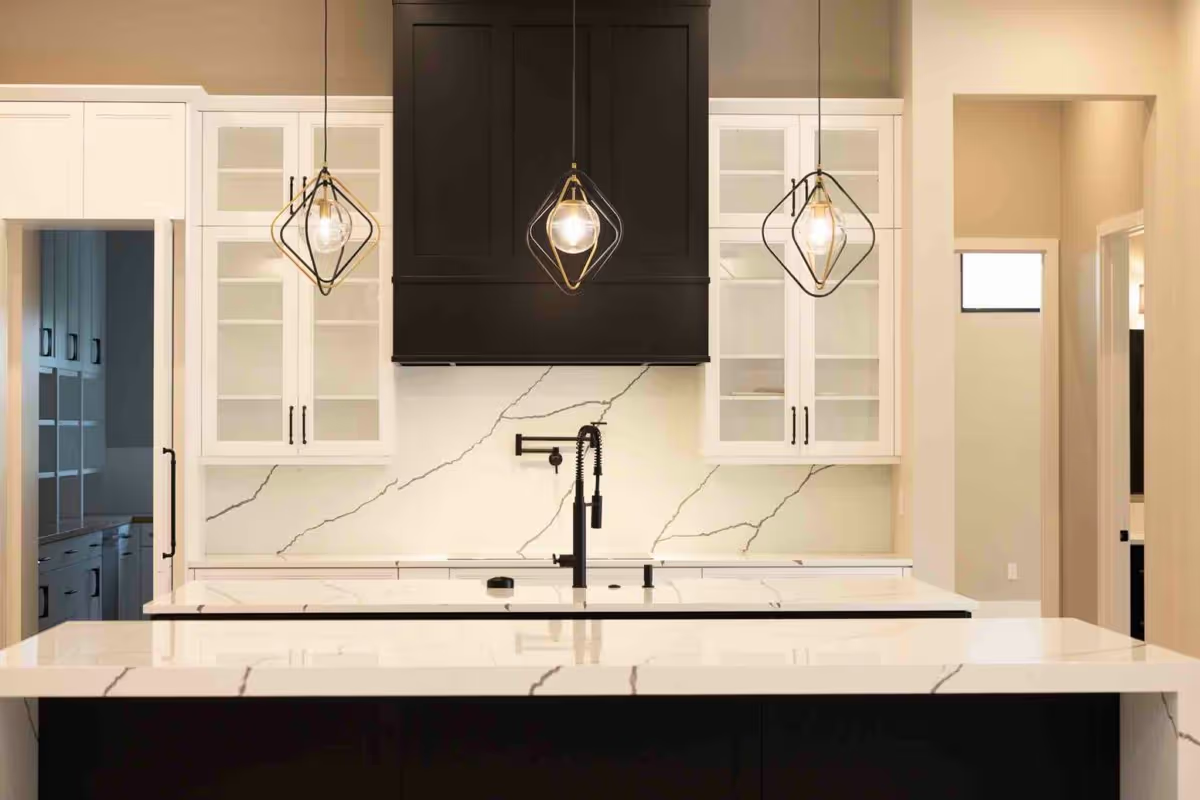
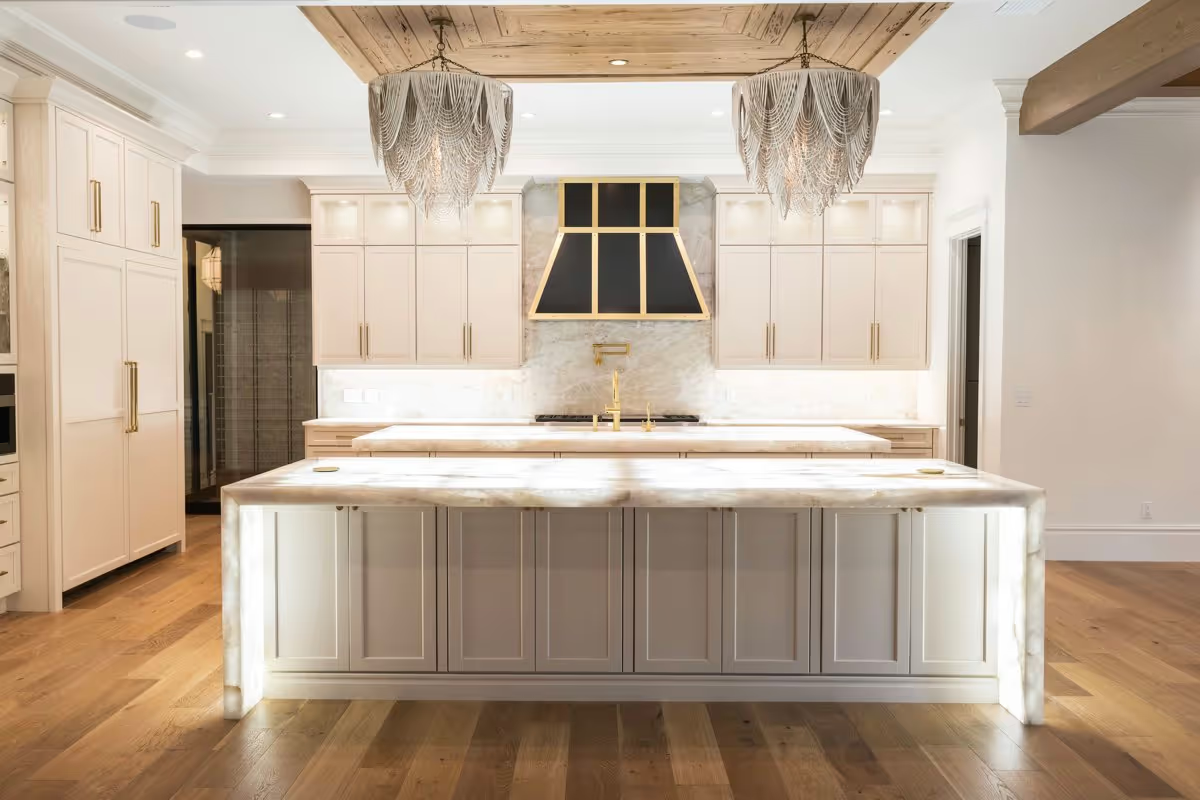
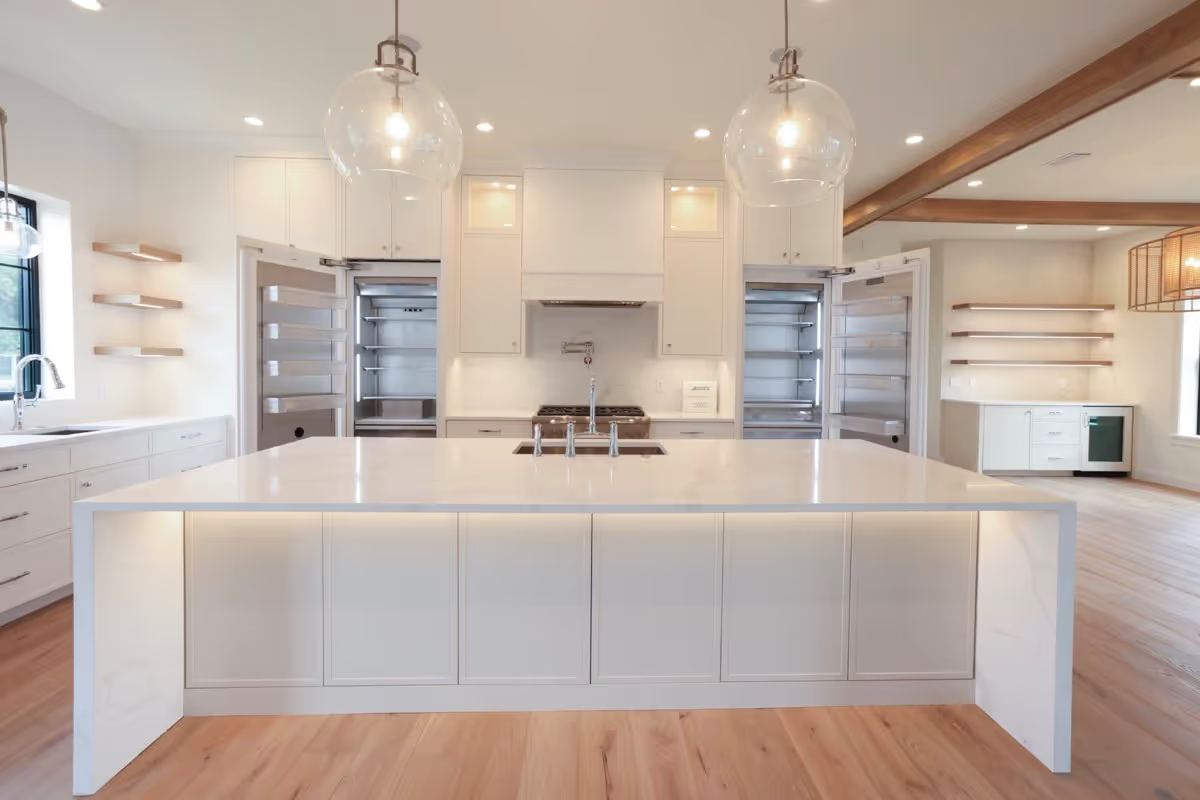
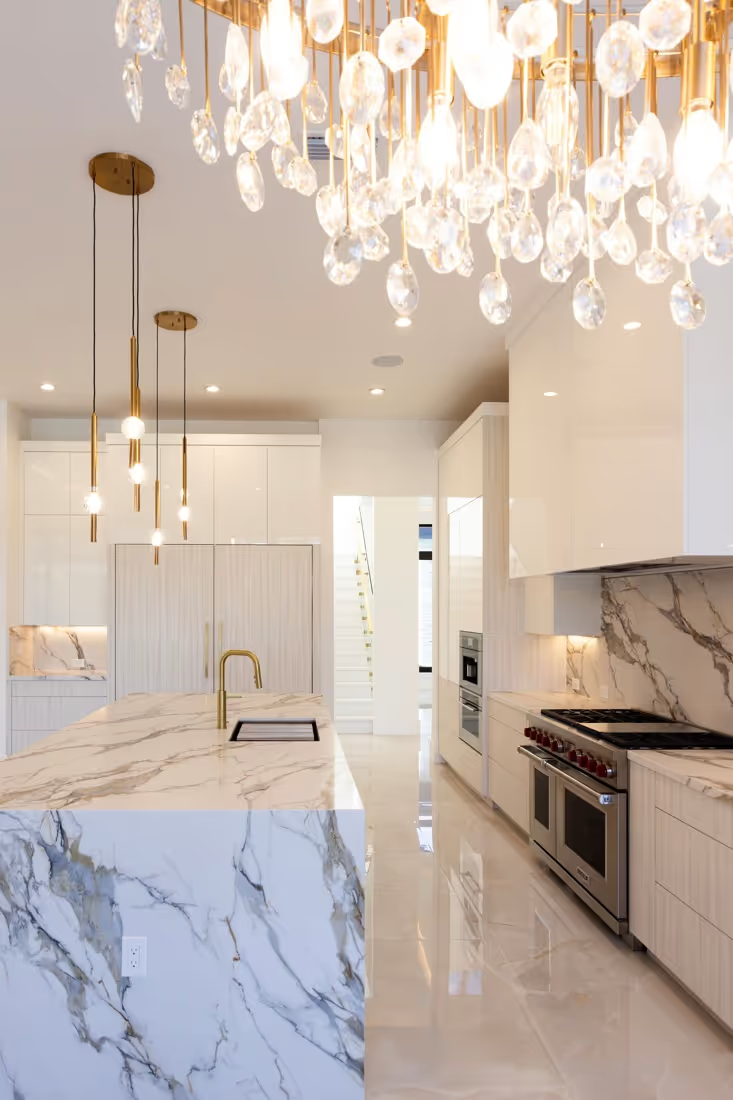
See the craftsmanship and attention to detail behind every Orlando Custom Cabinets kitchen project. Our gallery features real homes across Central Florida where we built custom cabinet solutions to fit each client's space and style. Look through our work and imagine what we can create for your kitchen.