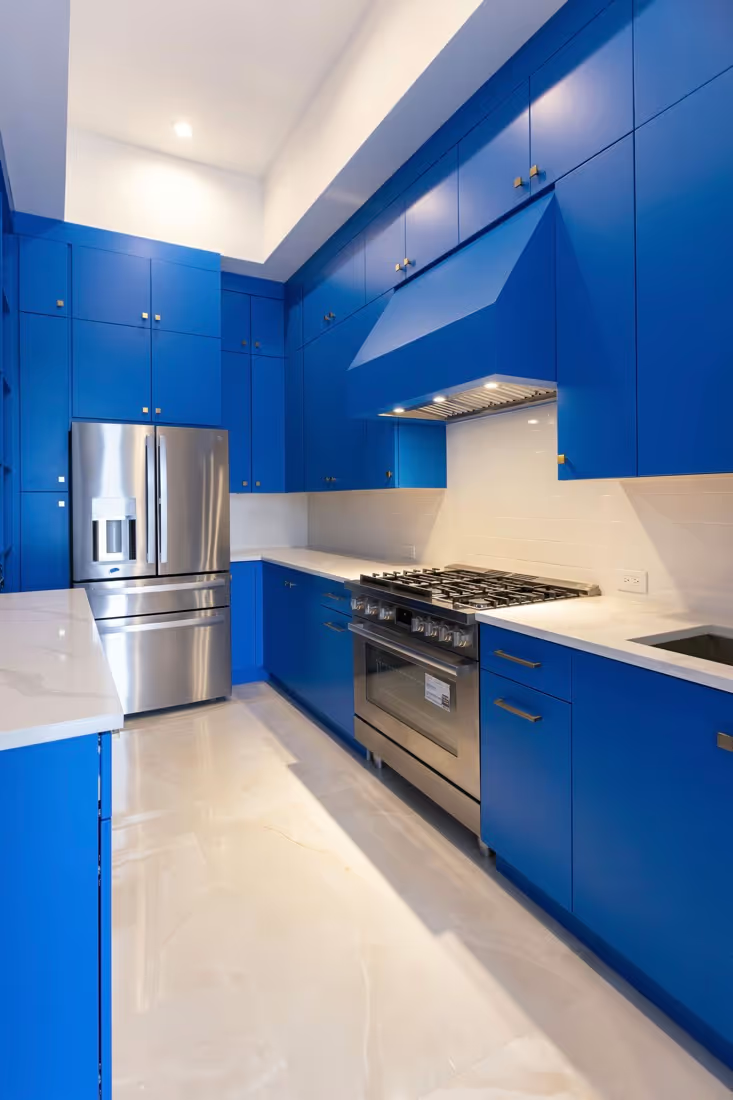
Cost to Install 25 Linear Feet of Cabinets | Orlando
The biggest cost factor is always the kind of cabinets you pick. Stock cabinets from a big store sit on the lower end. Semi-custom ones land right in the middle. Our custom made kitchen cabinets will push toward the top of that range, or sometimes even beyond it. HomeAdvisor figures most homeowners pay between $150 and $500 a linear foot. That includes both materials and labor.
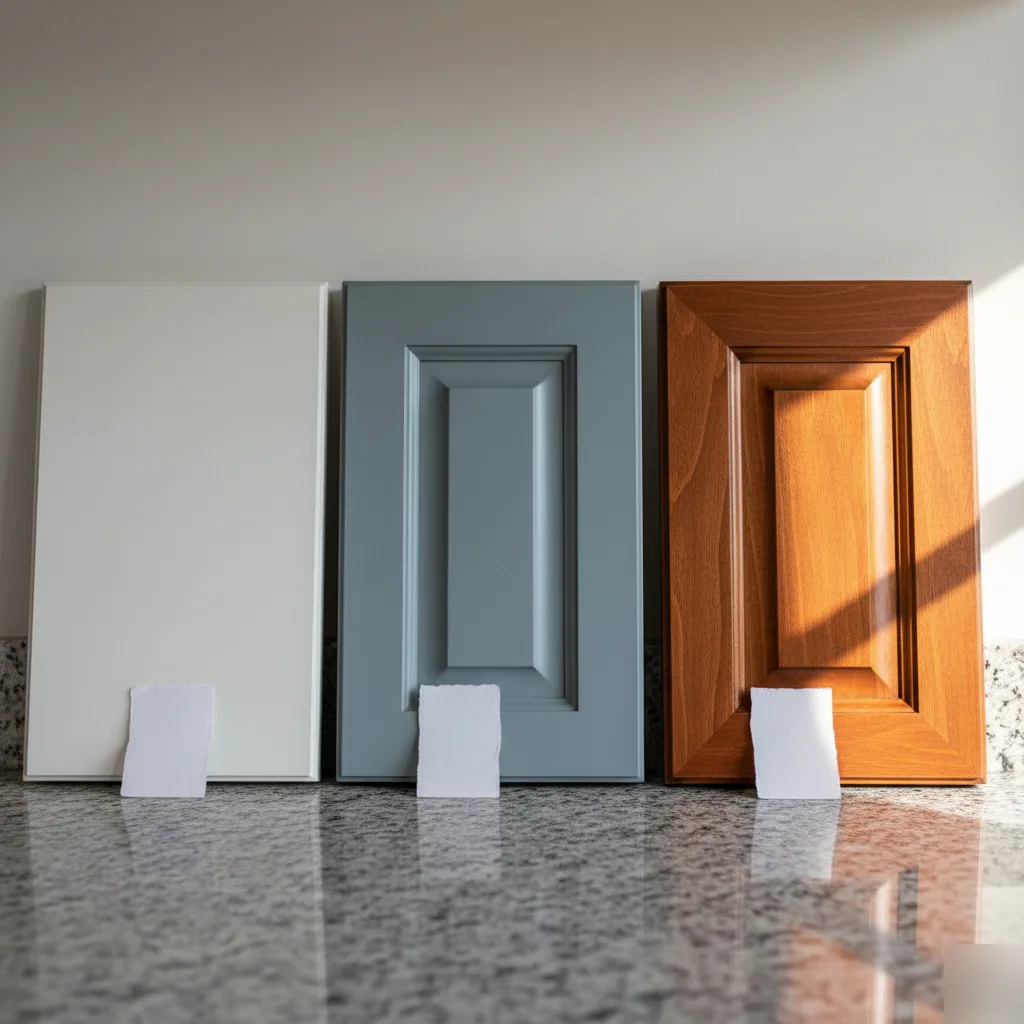
Here's what really shifts your final price:
- Cabinet construction and what they're made of
- How the walls are holding up, and if we need to rip out old cabinets first
- Any plumbing or electrical lines that have to move around
- How complex the layout is, especially tricky corners or weird angles
- Extras, like soft-close hinge setup or putting in cabinet lighting
A straight wall of upper and lower cabinets in a College Park bungalow? That's a different job. An L-shaped layout in a newer Lake Nona home with a peninsula? Same linear footage, but a totally different project scope. The amount of effort needed changes a lot.
We see this misunderstanding all the time with trusted kitchen cabinet installation in Orlando — someone measures their kitchen, looks up installation prices, and expects a single clear answer. But 25 linear feet in a galley kitchen means two walls running parallel. That exact same footage in a single-wall setup is just one straight run. The labor hours aren't even close, and trusted kitchen cabinet installation in Orlando that gives you an honest number accounts for layout complexity from the first conversation — not after the crew shows up and starts measuring.
It's why we always say, measuring isn't just about the numbers, it's about the space. Your home has its own story.
What Most People Don't Think About
Labor costs alone usually run $50 to $120 a linear foot just for the installation. That doesn't count the cabinets themselves. So when you see that $3,750 to $12,500 estimate, it covers everything. It could be budget-friendly stock cabinets with a basic setup. Or it could be our custom wood cabinets, built exactly to your kitchen’s specs. We put a quality focus into every piece.
And here’s something else we've noticed. Older Orlando homes, especially in spots like Thornton Park or Colonialtown, often have walls that just aren't perfectly straight. They lean a bit. They're not quite level. That adds time to the job. It means more shimming. More careful adjustments. More attention to detail to get doors aligned and drawers opening just right. It's part of working with older, character-filled homes here.
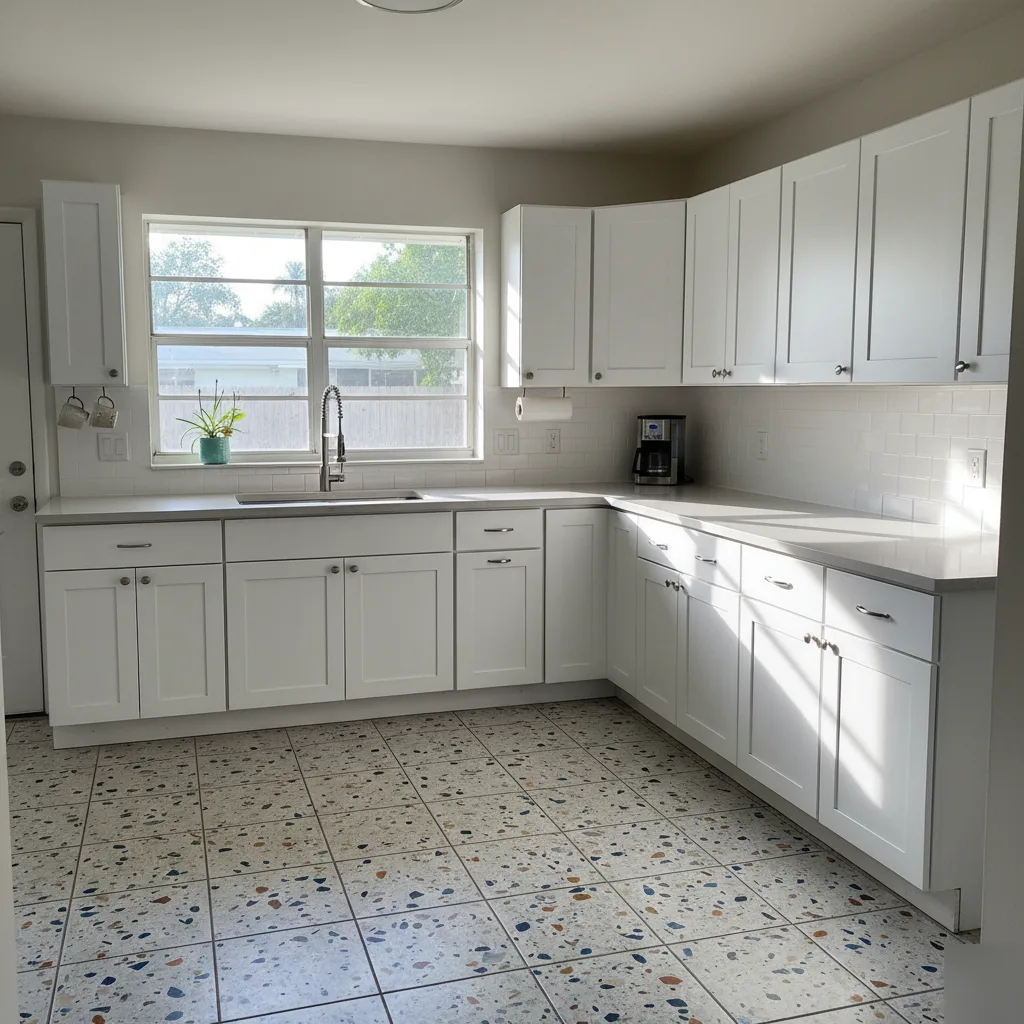
Most folks don't realize this until our crew is already knee-deep in their kitchen. It's a common discovery.
One scenario pops up regularly: a homeowner sets aside money for cabinets and the install. They completely forget about the demo work. Taking out old cabinets. Patching up drywall. Dealing with old plumbing behind the sink base. These aren't optional steps in a kitchen renovation, they're part of the real cost of kitchen cabinet installation. They're part of getting it right.
So, what should you do with all this information? Start by getting a cabinet design consultation. A good one digs into your kitchen's exact dimensions. It considers your goals for the layout. It factors in how your family uses the space every day. That kind of conversation turns a vague price range into a real plan. It comes with real numbers. We treat you like family, after all.
If you're weighing your options for kitchen cabinet installation in Orlando, our kitchen cabinet installation page walks through what's included. It shows how we approach each project. It’s definitely worth a look before you commit to anything. You'll get a sense of our family trade.
Bottom line: that price range exists for a reason. Every kitchen is different. Your kitchen deserves numbers based on its unique walls, its specific layout, and your real-life needs.
What 25 Linear Feet of Kitchen Cabinets Actually Looks Like
Most people hear "25 linear feet" and don't quite picture it in a real kitchen. That's fair. It's not an everyday measurement for anyone. So, let’s explain it in a way that truly clicks.
Linear feet measures the total width of your cabinets. Imagine them side by side. It’s not about how deep they are. Or how tall. It’s just the front face, stretched out straight. If you had one wall of cabinets, about 25 feet long, that’s your 25 linear feet. But kitchens rarely work that way, do they?
What This Looks Like in an Orlando Kitchen
In most Orlando homes, 25 linear feet fits a mid-size kitchen just right. Think about an L-shaped setup. Cabinets go along two walls. One wall might run 15 feet. The other one could be 10 feet. That puts you right at 25 linear feet. You usually get a mix of upper cabinets, base cabinets, and maybe a tall pantry. We often see this layout in homes in Dr. Phillips.
Here's a real example we encounter all the time. A family in the College Park area had a galley kitchen. Cabinets lined both sides. Each wall was around 12 to 13 feet long. That added up to 25 linear feet total. It gave them plenty of storage for a household of four, which is a big deal with kids and all their gear.
A U-shaped kitchen can also easily reach 25 linear feet. Three shorter runs, say 8 or 9 feet each, get you there. The layout shifts, but the measurement stays. It's all custom made to fit.
What's Typically Included
With 25 linear feet, you're not talking about a massive kitchen. But it's not a tiny one either. Here's a typical setup:
- 8 to 12 base cabinets in different widths
- 6 to 10 upper wall cabinets
- 1 to 2 tall cabinets for pantry or broom storage
- Corner cabinets if the kitchen is L or U-shaped
The exact number changes based on your layout and the cabinet sizes you pick. A 36-inch base cabinet uses up 3 linear feet. A narrow 12-inch spice pull-out takes just 1 foot. So the number of individual cabinets varies a lot, even if the total linear footage stays the same. We focus on quality, no matter the count.
Why the Layout Matters More Than You Think
We've done kitchen cabinet installation across Orlando in homes where two kitchens had the exact same linear footage. Yet they looked completely different. One had a simple, single-wall design. The other featured an L-shape with a kitchen island. Same 25 feet of cabinets, but a totally different feel and a totally different amount of work.
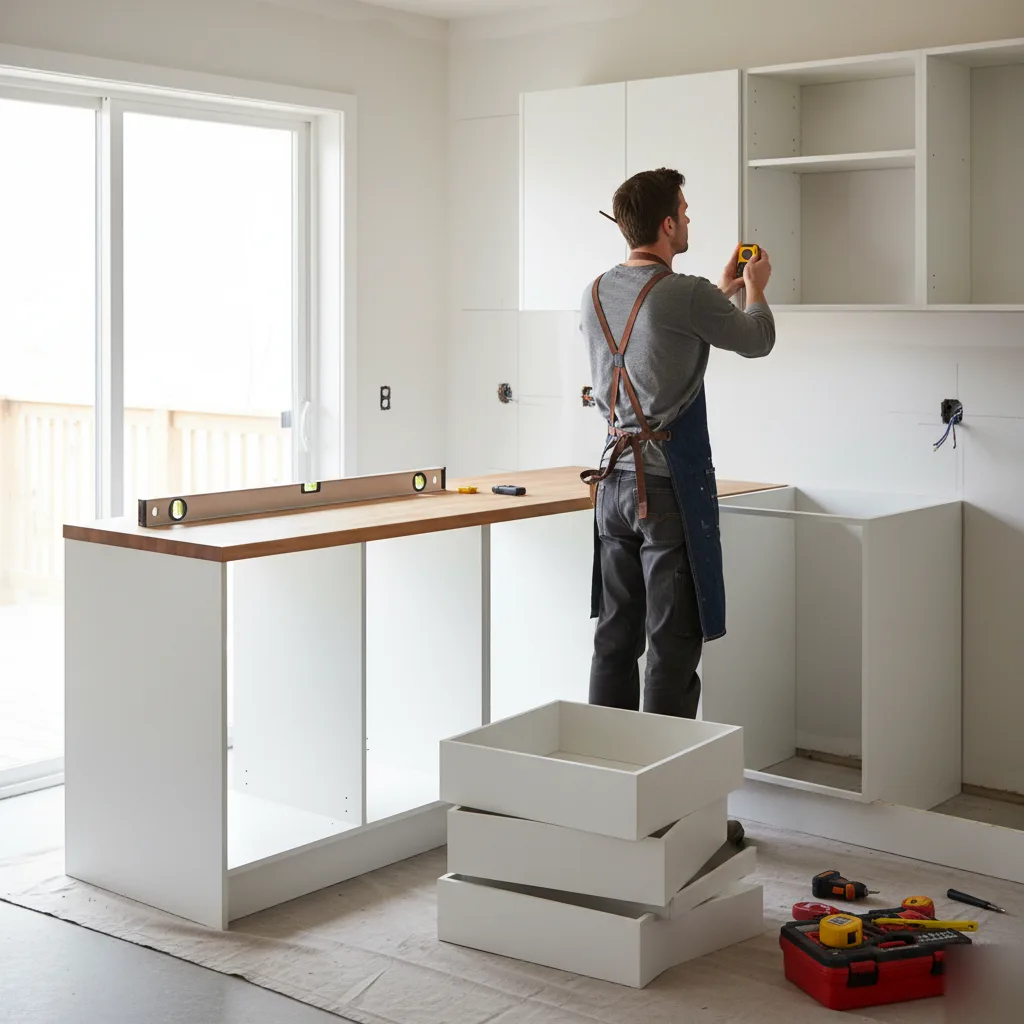
And that’s the part most folks miss. The number of corners. How many filler pieces are needed. How the cabinets meet up with appliances. All of that changes the job’s complexity. A straight run is always easier to install than an L-shape with blind corner cabinets. Adding custom filler strips complicates things, too.
Many homes built in the Avalon Park and Waterford Lakes areas during the early 2000s have standard L-shaped kitchens. They fall right around this footage range. If your home was built back then, there’s a good chance you’re in this ballpark. You might recognize the setup instantly.
But don't just guess. Measure each wall where cabinets will sit. Then add those widths together. Skip the spots for your stove, fridge, and dishwasher. Those appliances don't count toward your cabinet linear footage. Even though they’re in the same run, they aren't cabinets.
Not sure how to measure your kitchen for cabinet installation? Our kitchen cabinet installation page walks you through the process. It shows you how to get started. It makes it simple.
One more useful thing to know. Twenty-five linear feet is often what contractors and designers use as a baseline for estimates. It's a pretty common benchmark in our industry. The National Kitchen and Bath Association references similar measurements in their planning guidelines. So when you see that number pop up in your research, now you know exactly what it means for your kitchen. We’ve been at this family trade for 35 years. We've seen it all.
The Biggest Factors That Drive Cabinet Installation Cost
People always want a single number. But the real, honest answer? It truly depends. There are a handful of things that can push the final total up or down pretty quickly.
We've been putting in kitchen cabinets in Orlando for over 35 years now. And the biggest surprise for most homeowners isn't the cabinets themselves. It’s everything else around them that adds up. It’s the stuff you don’t think about.
Cabinet Type and Construction
This is the single biggest factor. Stock cabinets come already built, in standard sizes. Semi-custom cabinets offer more choices. You get more dimensions and finishes. Our custom made kitchen cabinets are built from scratch. They fit your kitchen layout exactly. We believe in that quality focus.
Each step up changes how much work is involved. A stock cabinet install for 25 linear feet is usually pretty straightforward. But custom kitchen cabinets might need super precise fitting. Especially in older Orlando homes with uneven walls or quirky angles. We see this all the time in neighborhoods like College Park and Thornton Park. Homes from the 1920s through the 1950s have unique quirks. Standard sizes just can't handle them. And that's where our experience really shines, getting those details just right.
Material Choices
The wood or other material you pick matters more than most people expect. Plywood boxes cost more than particleboard. Solid hardwood doors cost more than thermofoil or laminate. Hardware adds up too. It's all part of the quality focus we stand by.
Here's what drives material costs for kitchen cabinet installation:
- Box construction: plywood versus particleboard versus MDF
- Door style: shaker, raised panel, slab, or a one-of-a-kind profile
- Finish type: painted, stained, or natural wood showing through
- Hardware: soft-close hinge installation, drawer slides, pulls
Most people don’t realize how much the door style alone can shift the price. A simple shaker door in maple is a completely different project. A raised panel in cherry with a glazed finish is another story. The look and feel change completely.
Kitchen Layout and Complexity
A straight galley kitchen with 25 linear feet of wall cabinets? That's about as simple as it gets. An L-shaped or U-shaped kitchen with corner cabinets, a kitchen island, and pantry cabinet installation? That's an entirely different job.
Corners need special units. Islands need solid structural support. Pantry cabinets are tall. They are heavy. Every turn or feature means more labor time. It’s just how it works with our family trade.
And then there’s what's behind the walls. Older Orlando homes sometimes have plumbing or electrical that's outdated. It needs moving before cabinets can go in. We've opened up kitchens near Lake Eola. We’ve found wiring that hadn't been touched since the 1960s. That kind of discovery changes a timeline fast. It's part of the honest conversations we have with clients.
Removal and Prep Work
Your old cabinets don't just disappear. Someone has to pull them out. Haul them away. And prep the walls. Sometimes drywall needs patching. Sometimes the floor underneath has damage. It's been hidden for years., this part always catches people off guard.
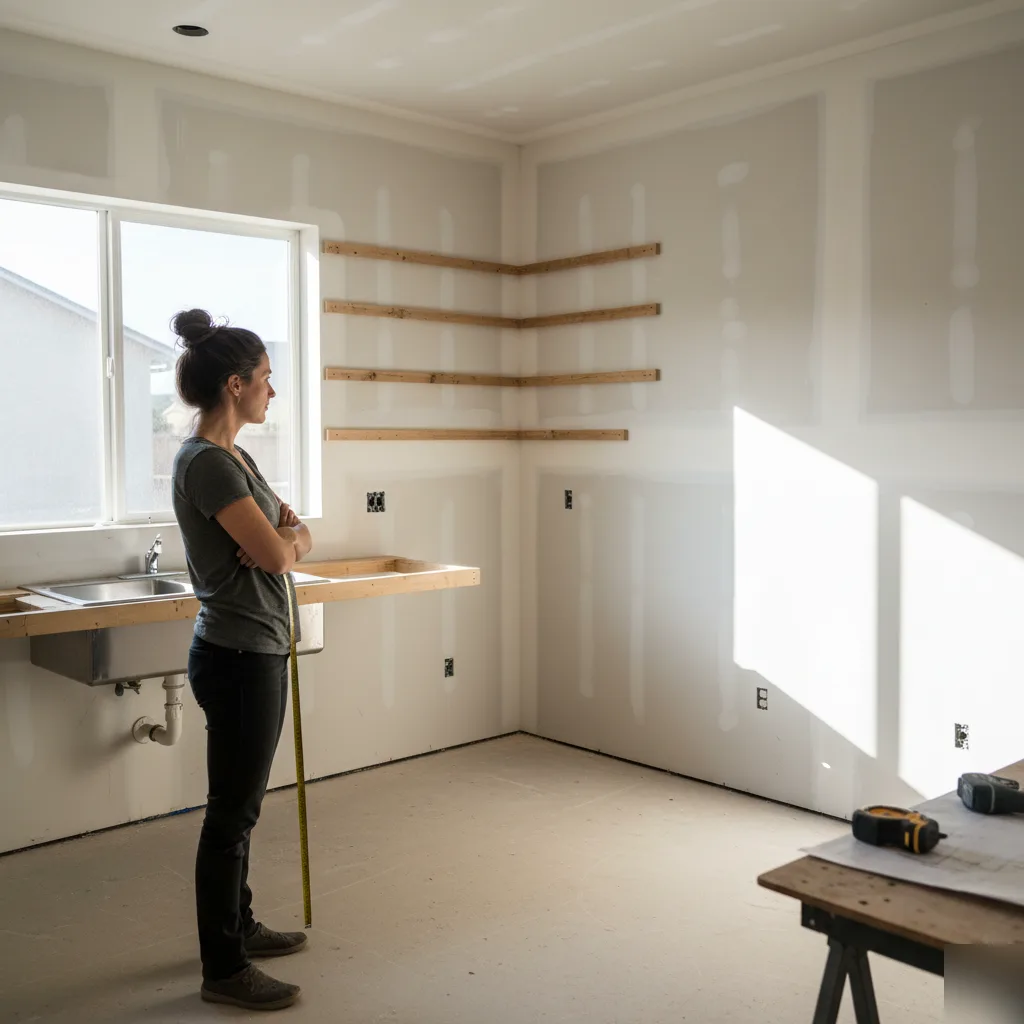
Prep work is the part of kitchen cabinet installation that really surprises folks. It’s not glamorous. But skipping it leads to cabinets that don't sit level. Or walls that look rough behind glass-front doors. We believe in doing it right the first time, with a quality focus.
Add-Ons That Change the Scope
Cabinet lighting installation. Pull-out shelving. Lazy Susans. Built-in spice racks. These extras make a kitchen work better. They also add labor and materials. It's all custom made to your wishes.
One scenario we run into often: a homeowner plans for basic uppers and lowers. Then they realize mid-project they want cabinet shelving installation inside the pantry. And under-cabinet lighting throughout. These are smart upgrades, but they really need to be planned for early on. It saves everyone a headache.
So what's the real takeaway here? Your total installation price isn't just about the cabinets themselves. It's about your kitchen's shape. Your home's age. The materials you choose. And how much prep the space needs before a single cabinet goes on the wall. If you want a clear picture of what your specific kitchen needs, our cabinet design consultation is the best place to start. We're not the cheapest option, but we are the right one. Our reputation keeps us busy.





Orlando Kitchen Cabinets Gallery
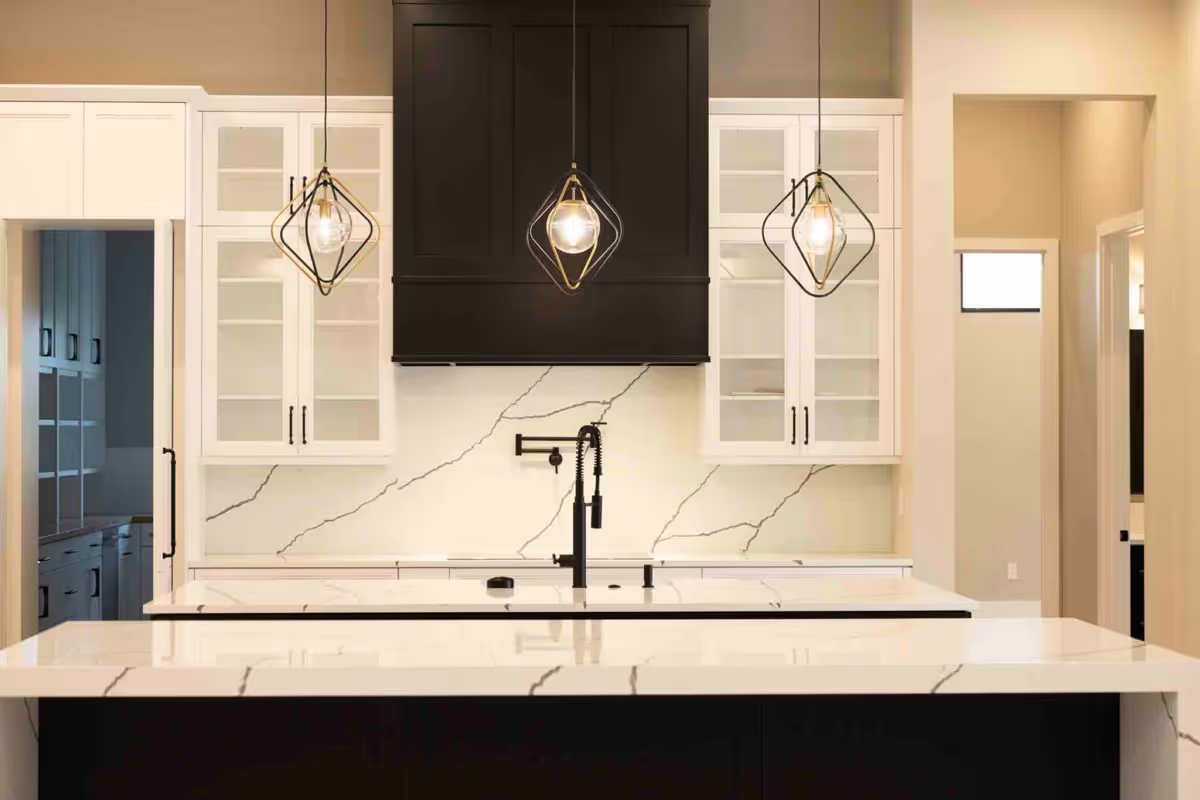
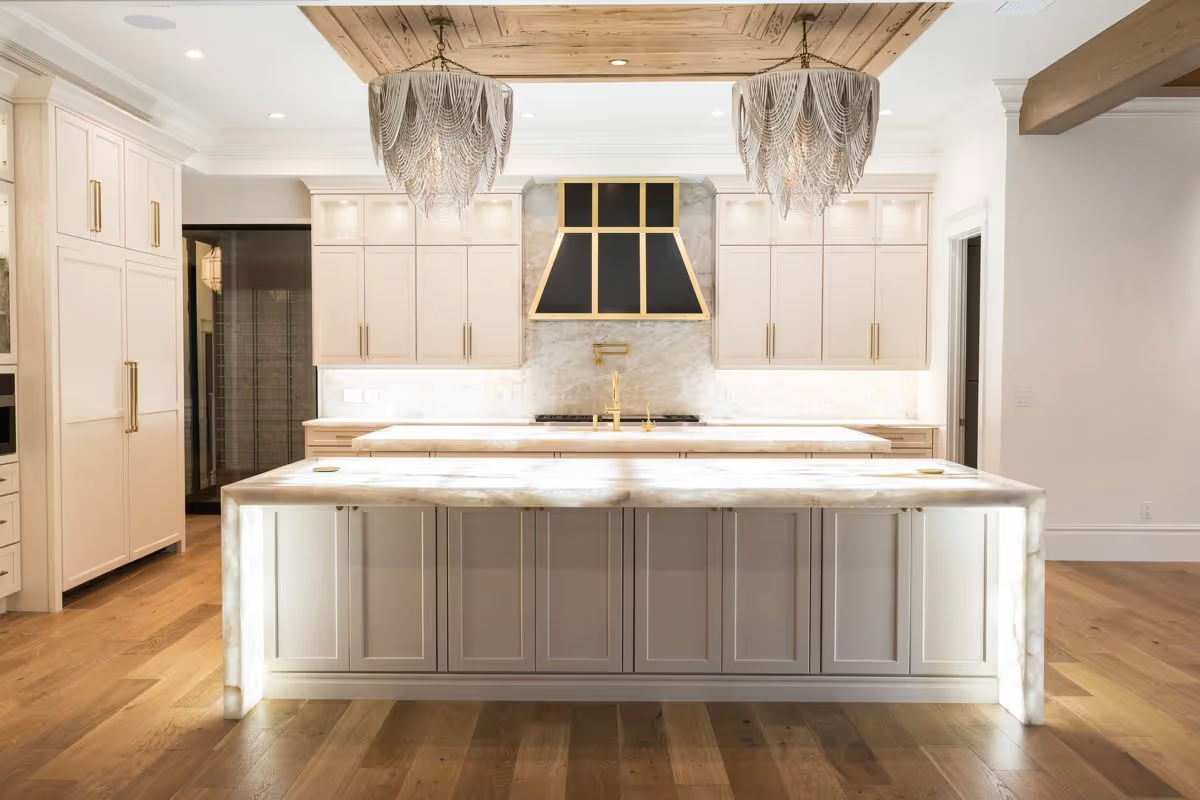
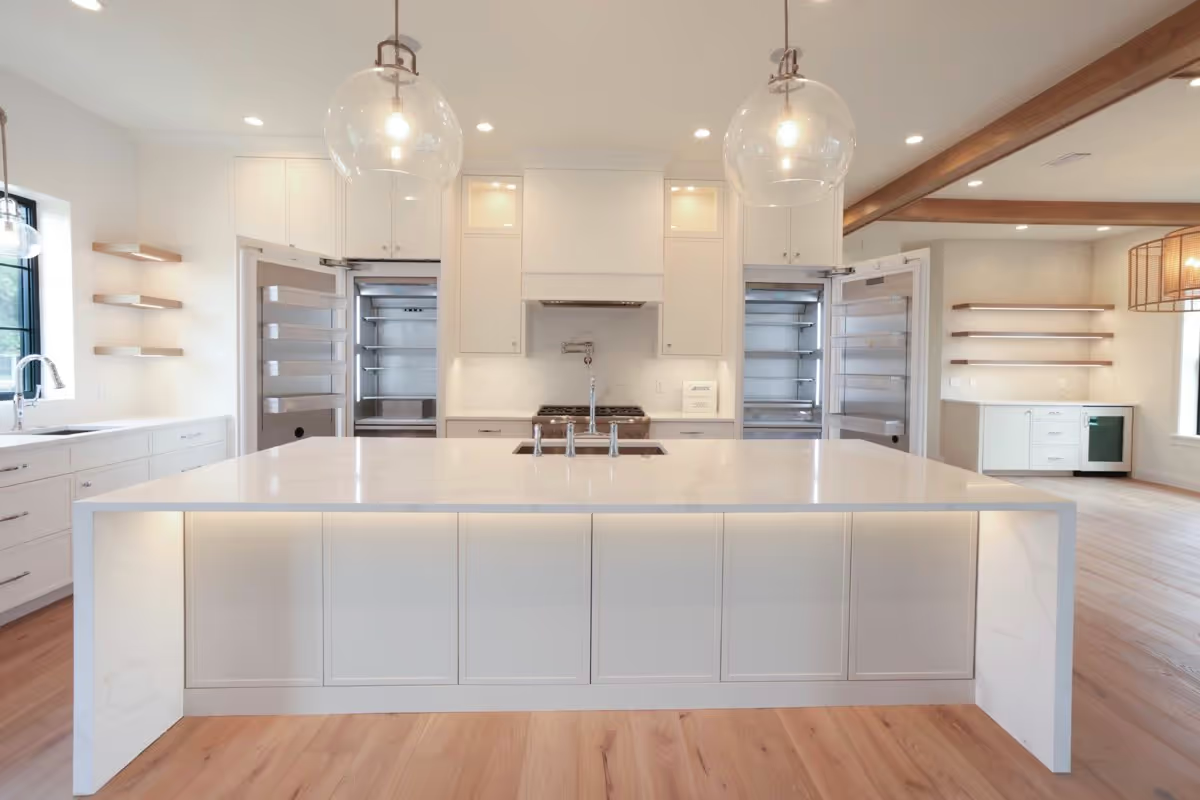
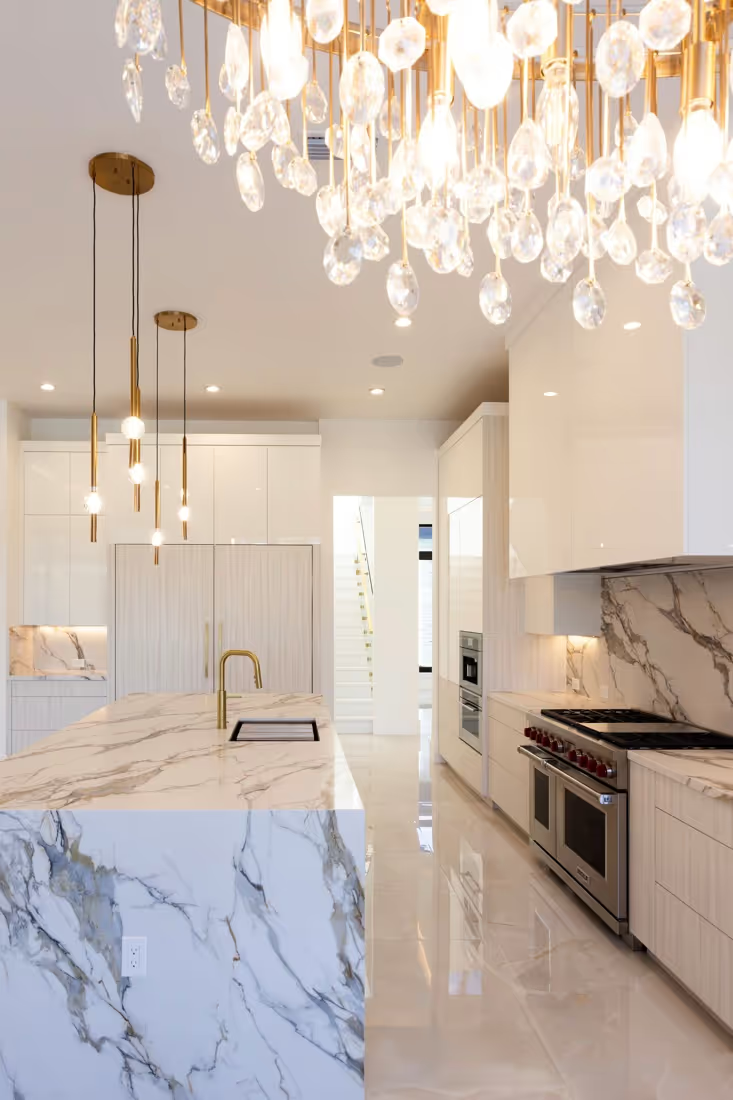
See the craftsmanship and attention to detail behind every Orlando Custom Cabinets kitchen project. Our gallery features real homes across Central Florida where we built custom cabinet solutions to fit each client's space and style. Look through our work and imagine what we can create for your kitchen.