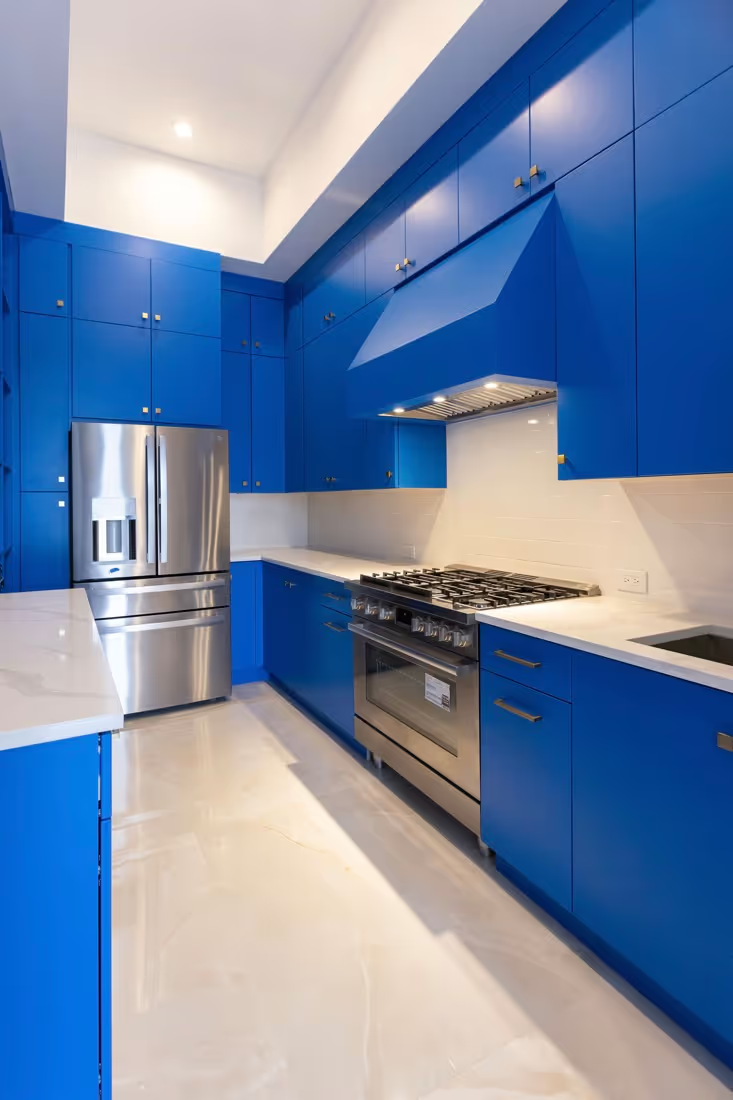
Build vs. Buy Kitchen Cabinets: Full Cost Comparison
Building vs. Buying Kitchen Cabinets: What the Numbers Actually Show
Most guides on Is It Cheaper to Build Kitchen Cabinets or Buy Them? A Full Cost Comparison stop at a single number and call it done. But the real answer depends on a few things most people don't think about until they're already mid-project.
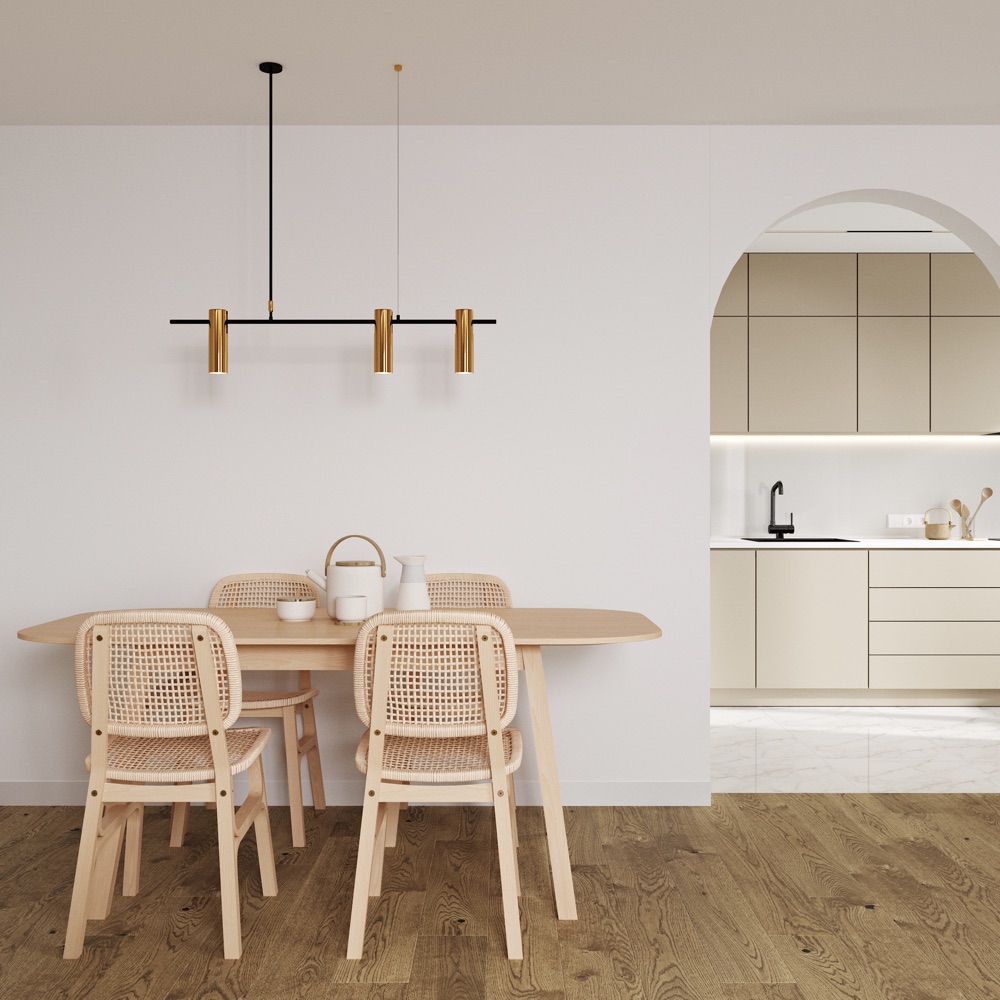
Here's the short version: buying stock cabinets almost always costs less upfront. Building custom cabinets from scratch almost always costs more. But "cheaper" isn't the same as "better value" — and that gap matters a lot depending on your kitchen layout, your skill level, and what you're actually trying to accomplish.
According to the National Kitchen and Bath Association, the average kitchen remodel spends roughly 29% of its total budget on cabinetry alone [SOURCE TBD: NKBA remodel budget data]. That's a big slice. Understanding where your money actually goes — whether you build or buy — is worth slowing down for.
What It Actually Costs to Buy Cabinets
Stock cabinets are the most affordable option. They come pre-built in standard sizes and ship fast. Semi-custom cabinets give you more size and finish options but take longer to arrive. For homeowners who want a perfect fit, custom cabinets for your kitchen are built to your exact specs by a cabinet shop or craftsman.
According to HomeAdvisor, homeowners spend an average of $3,000 to $8,000 on stock cabinets for a mid-size kitchen. Semi-custom runs $8,000 to $25,000, and full custom can go well beyond that [SOURCE TBD: HomeAdvisor cabinet cost data]. Those ranges are wide because kitchen size, cabinet count, and material choices all move the number.
We see this constantly on jobs here in Orlando, FL. A galley kitchen in a 1990s townhome needs maybe 12 to 15 cabinets, while an open-concept layout in a newer build might need 25 or more. Same house price on paper. Completely different cabinet budget in practice.
What It Actually Costs to Build Cabinets
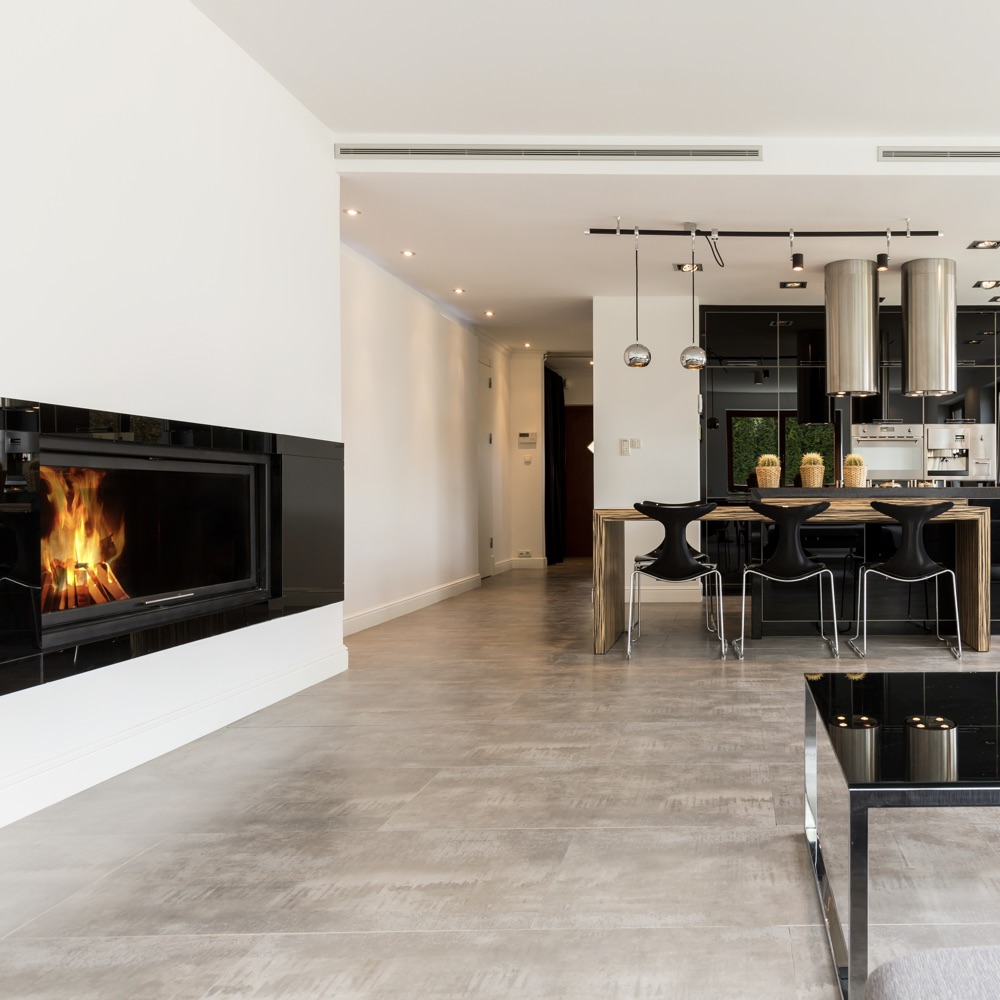
Building your own cabinets isn't just about wood and screws. You need sheet goods, hardwood for face frames, drawer slides, hinges, finishing supplies, and the right tools. A basic table saw setup alone can run several hundred dollars if you don't already own one [SOURCE TBD: tool cost data from woodworking trade sources].
A common mistake people make: they price out materials and forget to count their time. If you're spending 80 hours building cabinets for a 10x10 kitchen, that time has real value — even if you're not paying yourself. According to the Bureau of Labor Statistics, the average hourly wage for a finish carpenter is around $24 to $28 per hour [Source: bls.gov]. That math adds up fast.
But here's what most guides get wrong. Building your own cabinets doesn't always save money, but it can deliver better quality at a given price point. A skilled DIYer using quality plywood and soft-close hardware can build something that outperforms a stock cabinet at the same or lower material cost. The savings are real — they just come in the form of quality, not cash in your pocket.
The Hidden Costs on Both Sides
Buying cabinets has hidden costs too. Delivery fees, installation labor, and the cost of modifying standard sizes to fit your space can add 15% to 30% to your base cabinet price [SOURCE TBD: contractor installation cost data]. In older Orlando homes — especially anything built before 1985 — walls are rarely perfectly square. Fitting stock boxes into an out-of-plumb kitchen takes real skill and sometimes custom filler pieces.
Building your own cabinets has different hidden costs: mistakes. A single bad cut on a sheet of hardwood plywood can waste $80 to $120 worth of material. First-time builders almost always underestimate waste. Budget 10% to 15% extra on materials if you're new to cabinet building [SOURCE TBD: woodworking waste factor data].
The honest answer? Neither path is automatically cheaper. What matters is which path fits your skills, your timeline, and your kitchen's specific demands. If you're weighing those factors and want a professional read on your specific kitchen, it may be worth a conversation with an custom kitchen cabinet specialist in Orlando before you commit either direction.
The Real Cost of Building Cabinets Yourself Goes Beyond Materials
Most people start this conversation by pricing out plywood and hinges. That's the wrong place to start. The real cost of a DIY cabinet build includes your time, your tools, your mistakes, and the jobs you can't do while you're in the garage sanding door faces for a weekend.
Start with the tool situation. A basic cabinet build requires a table saw, a router, a pocket hole jig, clamps — a lot of clamps — and a finish nailer at minimum. If you don't own these, you're either renting or buying. According to HomeAdvisor, a quality table saw alone can run several hundred dollars for a contractor-grade model [SOURCE TBD: HomeAdvisor tool cost data]. That cost doesn't show up on any materials estimate. But it's real money leaving your pocket.
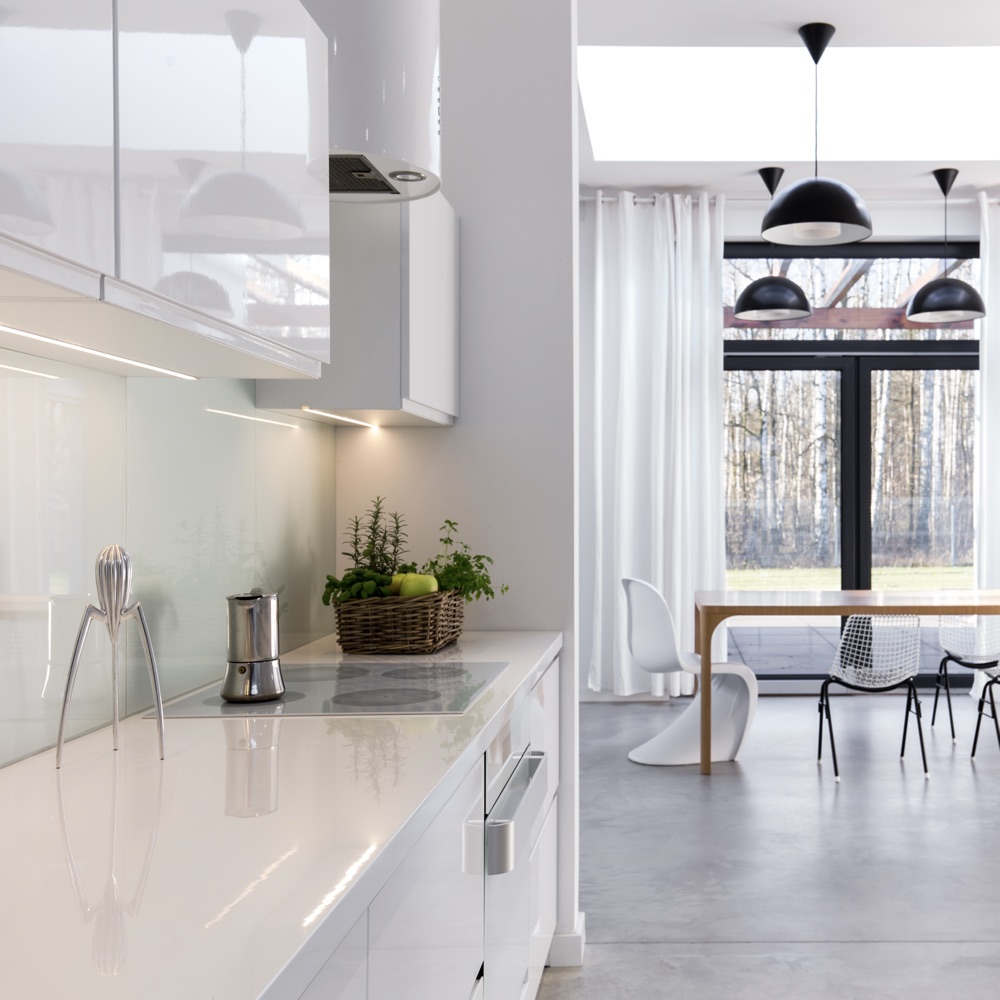
We see this constantly on jobs in Orlando, FL. A homeowner prices out the wood at a local lumber yard, feels good about the number, and then realizes halfway through the build that they need a better blade, better sandpaper, and a second set of clamps. Small purchases stack up fast.
Then there's the time calculation. According to the National Kitchen and Bath Association, a full kitchen cabinet installation for an average kitchen involves 10 to 30 linear feet of cabinetry [SOURCE TBD: NKBA kitchen sizing data]. Building that from scratch — cutting, assembling, finishing, installing — can take a first-time builder several weekends. A skilled woodworker might do it faster. But most homeowners aren't skilled woodworkers. They're learning on the job, and learning on the job means wasted material.
Wasted material is the cost nobody talks about. A bad cut on a sheet of plywood means you either patch it or buy another sheet. Plywood sheets aren't cheap, and you often can't return a sheet you've already ripped down. On a recent project we consulted on in the Orlando area, the homeowner's material waste added roughly 20% to their original lumber estimate before they even started finishing. That's a number worth knowing before you commit.
Here's something most guides get wrong: they compare DIY material costs to the retail price of stock cabinets. That's not a fair comparison. Stock cabinets are priced to move. Semi-custom and custom cabinets are the right comparison point if you're building to match a specific layout or finish. When you line up a true apples-to-apples comparison — your labor hours valued at even a modest hourly rate, your tool investment spread across one project, and your material waste factored in — the savings shrink fast. Many homeowners are surprised to find that rising construction costs are pricing them out of projects they assumed would be straightforward to budget.
Your labor has real value. If you earn $30 an hour at your job and you spend 40 hours building cabinets, that's $1,200 in opportunity cost [SOURCE TBD: labor opportunity cost calculation methodology]. You didn't pay a contractor. But you did spend something. That math matters when you're deciding whether building is actually cheaper.
And the finish. This is where most DIY builds lose the visual comparison to purchased cabinets. A factory-applied finish — whether it's a thermofoil wrap, a catalyzed lacquer, or a UV-cured paint — is nearly impossible to replicate in a home shop. Spray equipment for a smooth cabinet finish is a whole separate investment. Brush marks, lap lines, and uneven sheen are the most common complaints we hear after a DIY build is done and installed.
None of this means building your own cabinets is a bad idea. Some homeowners have the tools, the skills, and the time — and for them, it can be genuinely rewarding and cost-effective. But going in with an honest picture of every cost, not just the lumber receipt, is how you make a decision you won't regret six months later when you're staring at cabinet doors that don't hang quite right.
Stock, Semi-Custom, and Custom Cabinets Each Serve a Different Budget
Most people think cabinet shopping is simple. Pick a style, pick a finish, done. But the category you shop in — stock, semi-custom, or custom — changes everything about your final cost and what you actually get.
Stock cabinets are pre-built. They sit in a warehouse or on a showroom floor, ready to go. Sizes are fixed, usually in 3-inch increments, and your finish options are limited to whatever that manufacturer decided to make. According to the National Kitchen and Bath Association (NKBA), stock cabinets are the fastest and most affordable entry point for cabinet replacement [SOURCE TBD: NKBA cabinet category data]. Fast and affordable, though, comes with tradeoffs. If your kitchen has an odd wall length or an awkward corner, stock boxes will leave gaps you'll need to fill with filler strips or creative trim work.
We see this constantly in Orlando kitchens — especially in older homes in areas like College Park or Conway where the floor plans were never built to standard modern dimensions. A 12-foot wall becomes a puzzle when you're working with boxes that jump from 30 inches to 33 inches with nothing in between.
Semi-custom cabinets sit in the middle. The cabinet boxes are still factory-built, but you get more size options, more finish choices, and some flexibility on interior features like pull-out shelves or soft-close hardware. Lead times are longer — typically four to eight weeks depending on the manufacturer [SOURCE TBD: cabinet industry lead time data] — but you're not waiting on a fully hand-built product either. For most homeowners doing a full kitchen remodel, semi-custom is where the value tends to live. Real flexibility, without paying for a fully bespoke build.
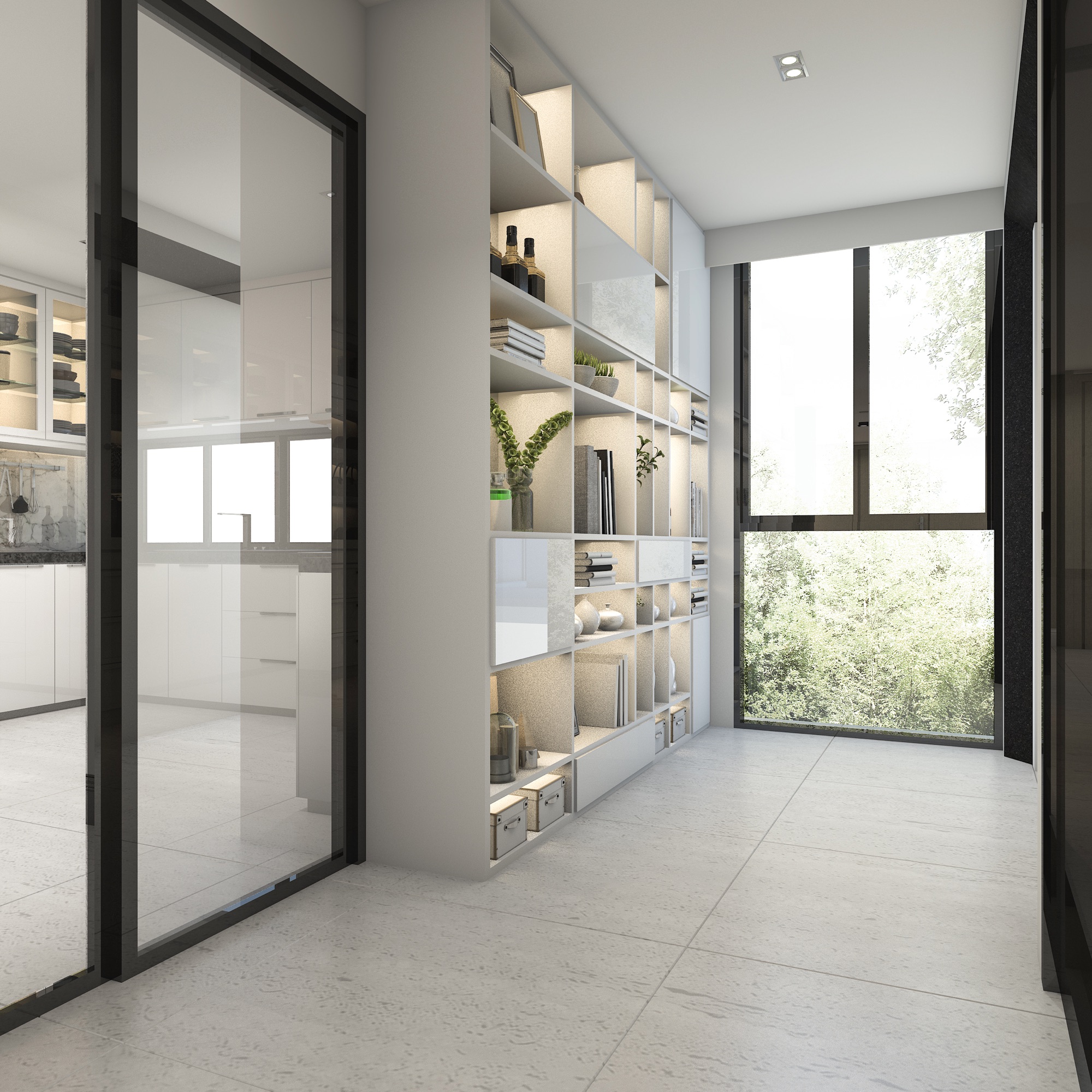
Custom cabinets are built from scratch to your exact specifications. Every dimension, every wood species, every detail is decided by you and your cabinet maker. No standard boxes. No filler strips. The cabinet fits the room because it was made for that room. This is the category where a skilled local cabinet shop — or an experienced carpenter working on-site — earns their rate.
Here's what most guides get wrong about custom: people assume it always means the most expensive option by a wide margin. Sometimes it is. But a local cabinet shop in Orlando building semi-custom or full custom work in their own shop can sometimes land closer in price to big-box semi-custom than you'd expect, especially when you factor in installation costs, hardware upgrades, and the filler material you won't need. The math isn't always what it looks like on the surface.
The real question isn't just which category costs less up front. It's which category gives you the right fit for your kitchen without requiring expensive workarounds. Stock cabinets in a perfectly standard kitchen? That works. Stock cabinets in a kitchen with a 94.5-inch wall? You're buying filler, paying a carpenter to make it look right, and still ending up with a result that a semi-custom box would have solved cleanly.
A quick way to think about it:
- Stock cabinets work best when your kitchen dimensions are close to standard and your timeline is short
- Semi-custom gives you more size and finish flexibility with a moderate wait time
- Custom cabinets are built to your exact room and give you full control over materials and details
- Local cabinet shops can sometimes close the price gap between semi-custom and custom, depending on project scope
According to Remodeling Magazine's Cost vs. Value report, kitchen remodels consistently rank among the top home improvement investments for resale value [SOURCE TBD: Remodeling Magazine Cost vs. Value]. Which cabinet category you choose plays a direct role in both what you spend and what you recover.
Before you decide, it helps to know the full picture — including whether building custom cabinets yourself or hiring it out changes the math entirely. If you're ready to see how those numbers apply to your specific kitchen, our team handles custom kitchen cabinet installation projects across Orlando every day and can walk you through the options without any pressure.
Now that you know what separates a smart cabinet decision from an expensive one, let us put that knowledge to work for your kitchen. Our team handles kitchen cabinet projects across Orlando every day — and we know how to match the right cabinet solution to your space, your budget, and your timeline. Call us at [phone number] or schedule a free estimate online. You've done the research. Let us handle the rest.
Request a Quote
Use the form below to tell us about your project, An experienced designer will be in touch with you shortly.
Frequently Asked Questions
Is it actually cheaper to build your own kitchen cabinets than to buy them?
Buying stock cabinets is almost always cheaper upfront than building from scratch. But cheaper upfront does not always mean better value. When you build your own cabinets, your savings often show up as better quality — not cash saved. You trade money for time and skill.
How does living in Orlando, FL affect the cost of buying or building kitchen cabinets?
Orlando's older homes — especially those built before 1985 — often have walls that are not perfectly square. That makes fitting standard stock cabinets harder and more expensive. You may need custom filler pieces or extra labor to make things fit right. Orlando's humidity can also affect wood materials over time. Both of those factors can add cost to a DIY build or a stock cabinet install that most online cost guides do not mention.
Do stock cabinets cost less than custom cabinets in Orlando?
Yes, stock cabinets cost less than custom cabinets in almost every case. According to HomeAdvisor, stock cabinets for a mid-size kitchen average $3,000 to $8,000, while full custom can go well beyond that [SOURCE TBD: HomeAdvisor cabinet cost data]. But stock cabinets come in fixed sizes. If your Orlando kitchen has an unusual layout or older walls, you may spend more on installation adjustments than you saved by going with stock.
What is the biggest mistake homeowners make when comparing cabinet costs?
The biggest mistake is only pricing out materials and forgetting to count your time. If you spend 80 hours building cabinets, that time has real value. According to the Bureau of Labor Statistics, finish carpenters earn around $24 to $28 per hour [Source: bls.gov]. That adds up fast. Many homeowners also forget to budget for wasted material. First-time builders should add 10% to 15% extra to their material estimate to cover mistakes.
When should you call a professional instead of building cabinets yourself?
Call a professional when your kitchen has unusual angles, limited space, or layout challenges that standard cabinet sizes will not fit. You should also call a pro if you do not already own the tools needed — a table saw, router, and pocket hole jig at minimum. Buying tools you will rarely use again adds real cost to a DIY project. A cabinet professional can often deliver better results faster, especially in kitchens with complex layouts.
Are there hidden costs to buying pre-built cabinets that most people miss?
Yes, there are several hidden costs when buying cabinets. Delivery fees, installation labor, and fitting standard sizes to your space can add 15% to 30% on top of your base cabinet price [SOURCE TBD: contractor installation cost data]. Many homeowners are surprised by how much it costs just to get cabinets installed correctly. If you are comparing total project cost — not just the cabinet price tag — make sure you are including all of those extra line items.





Orlando Kitchen Cabinets Gallery
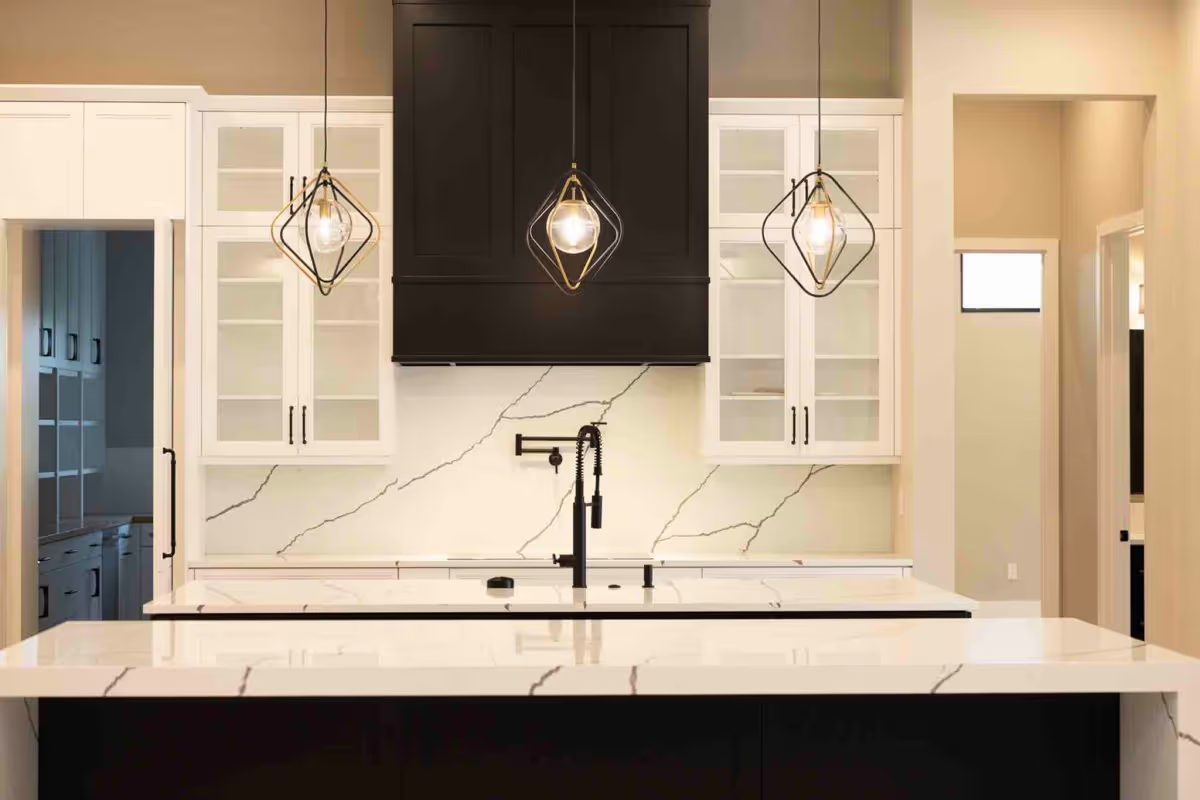
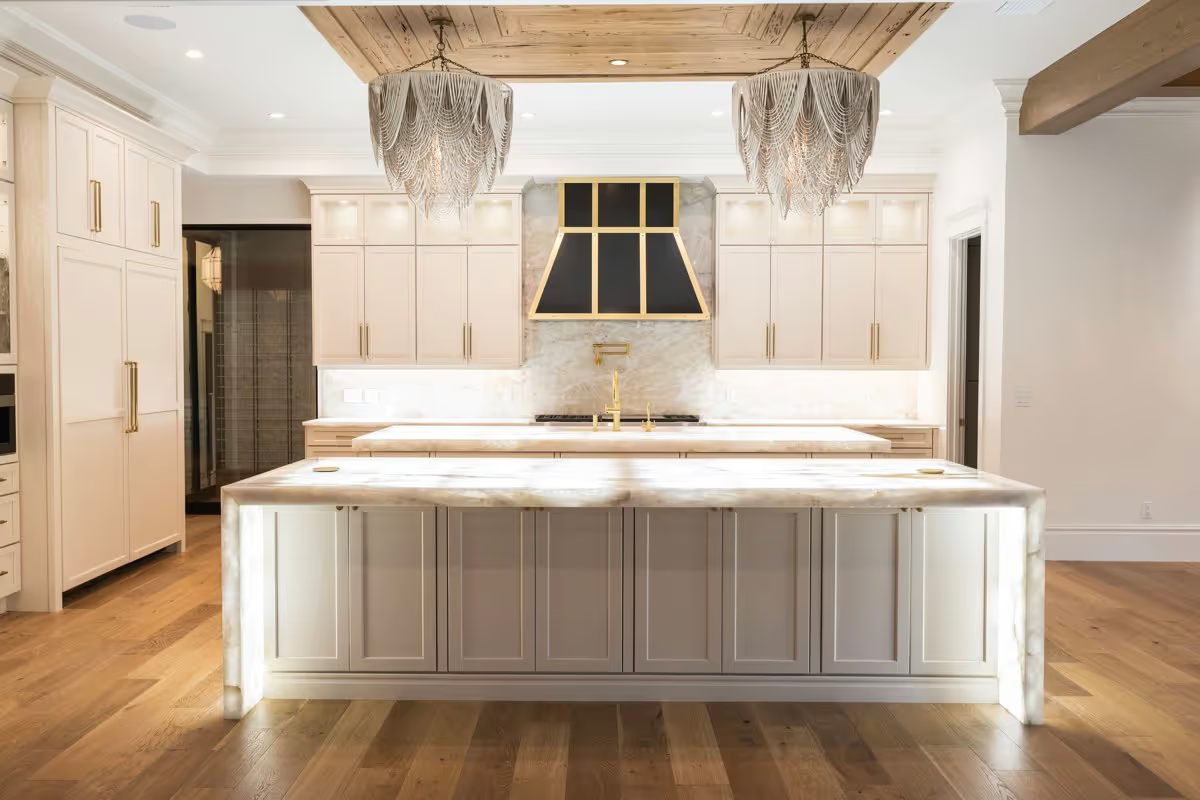
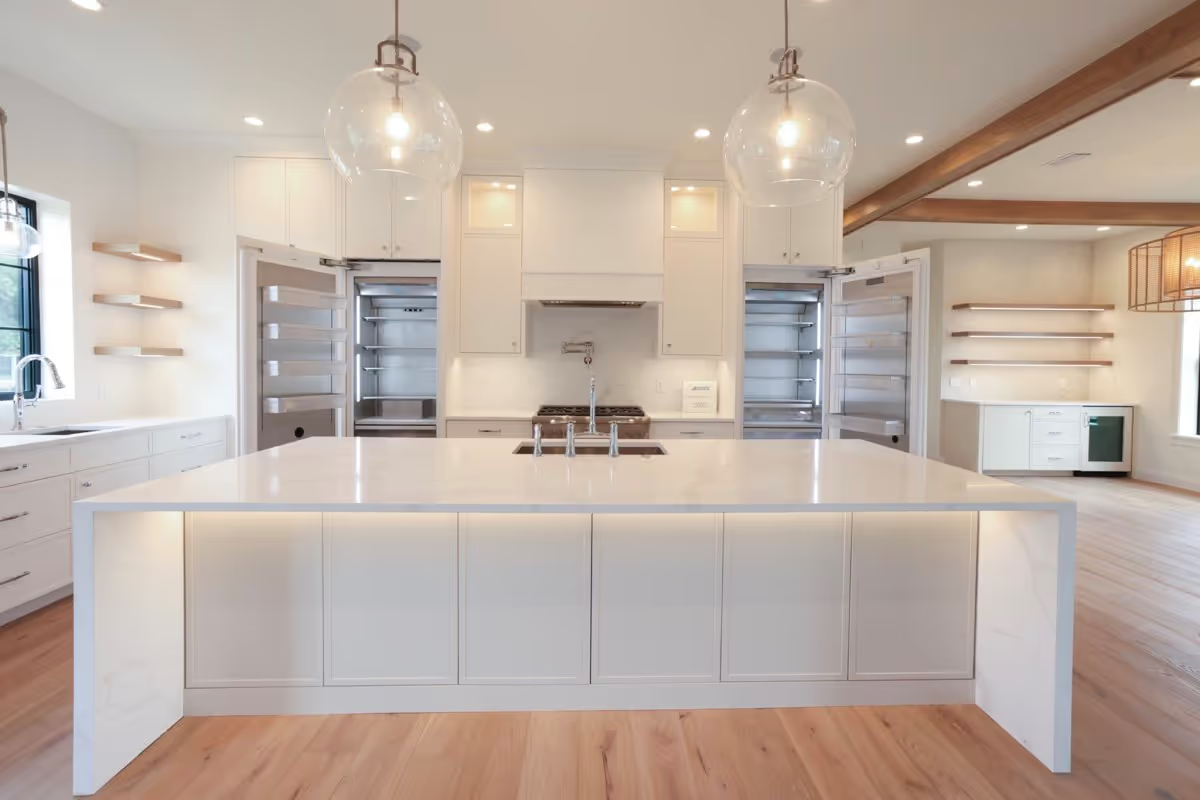
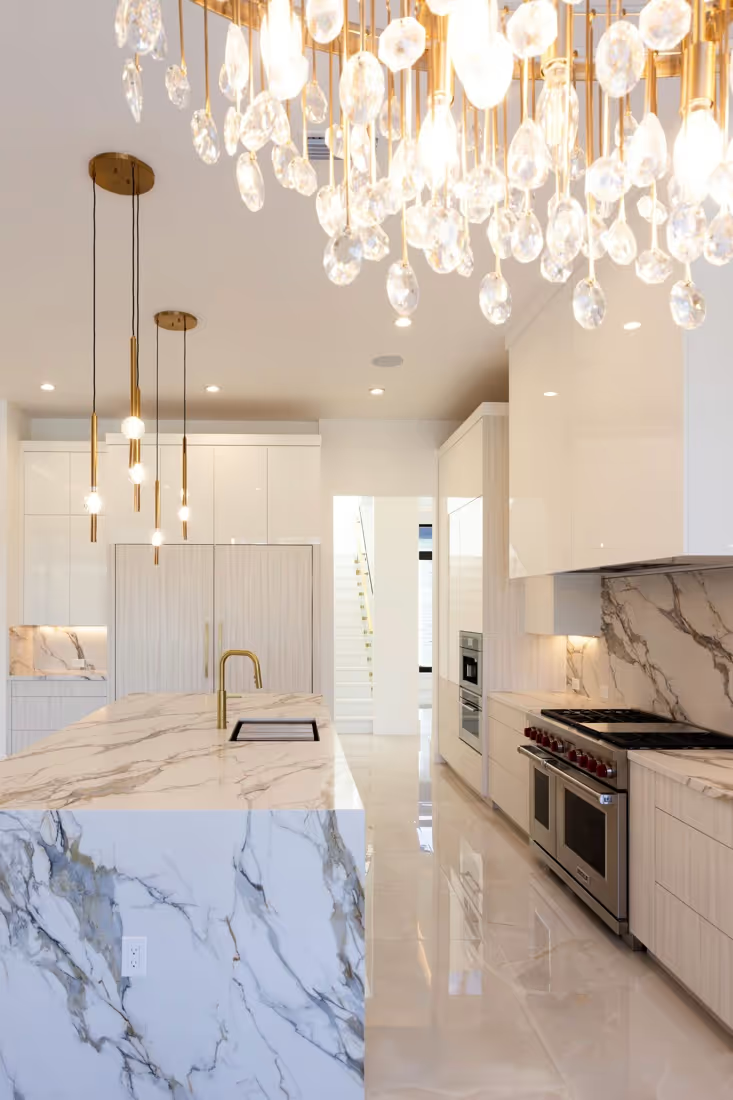
See the craftsmanship and attention to detail behind every Orlando Custom Cabinets kitchen project. Our gallery features real homes across Central Florida where we built custom cabinet solutions to fit each client's space and style. Look through our work and imagine what we can create for your kitchen.