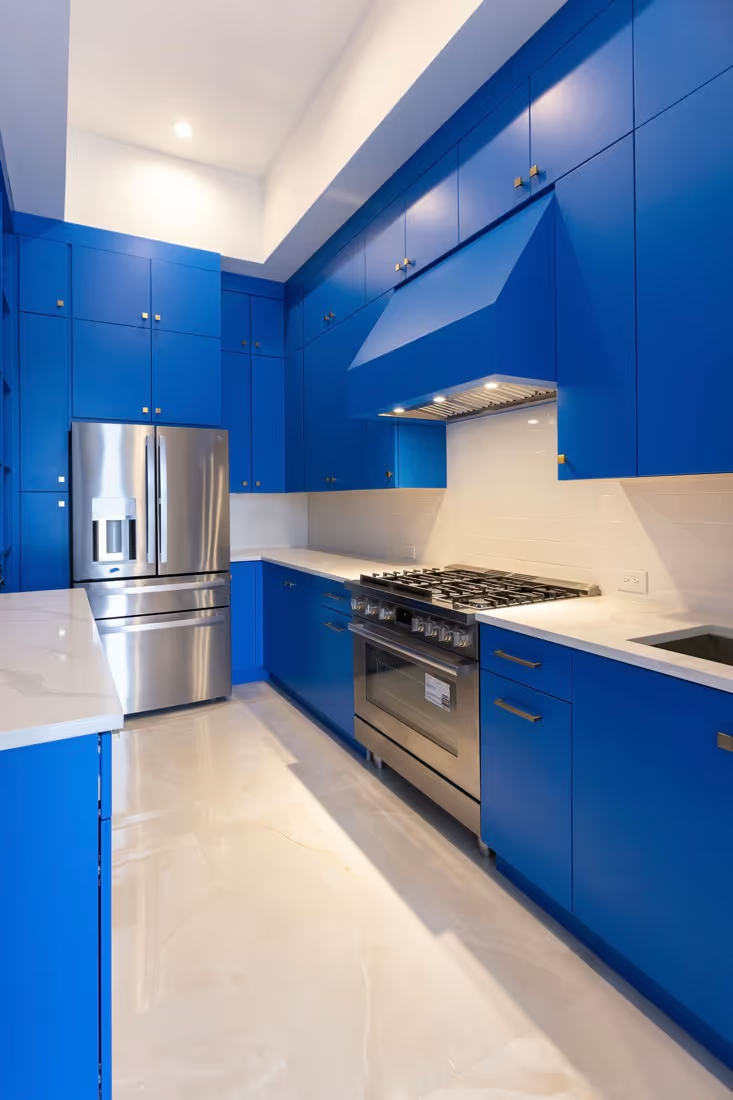
Signs You Need New Kitchen Cabinets: How to Know It's Time
Damaged Cabinet Boxes and Frames Are a Clear Warning Sign
The box is the skeleton. Doors, hinges, shelves. They all hang off it. And when that box goes bad, no amount of new hardware or fresh paint fixes what's underneath. Stop patching. Start planning.
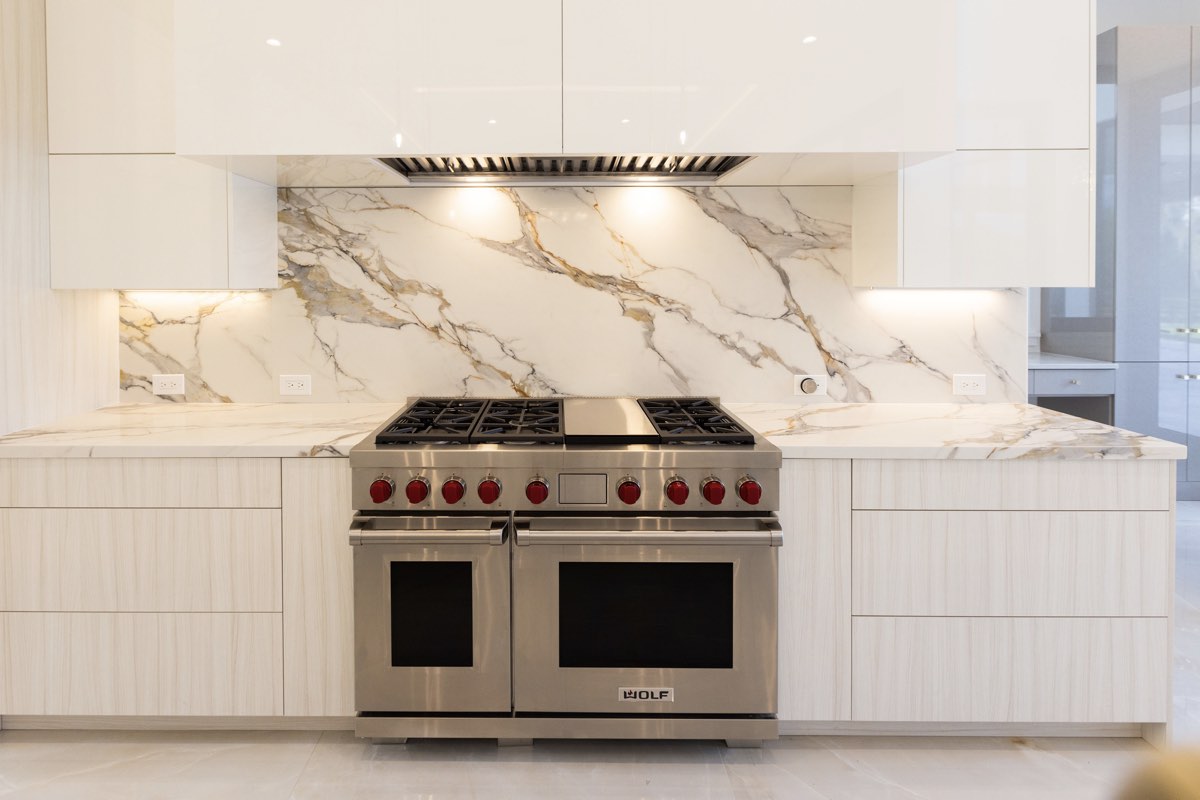
Cabinet boxes are typically made from plywood or particleboard. Particleboard's the cheaper option, and it's everywhere in Orlando kitchens built between the 1980s and early 2000s. It holds up fine as long as it stays dry. But Florida humidity? Not kind to it. Not even a little. The U.S. Department of Energy says indoor relative humidity above 60% speeds up wood composite breakdown, and Orlando blows past that threshold for months during the summer [Source: energy.gov]. Once particleboard absorbs moisture, it swells, crumbles, and can't hold a screw anymore. That's not something you repair. That's something you replace — and at that point, a new cabinet installation is the only fix that actually holds.
We pulled a cabinet base out of a home in the Milk District last spring. The homeowner thought she had a hinge problem. Her door kept falling forward. But once we got in there, the screw holes had blown out completely. The particleboard had turned to powder around them. No hinge in the world fixes that. The box itself had failed.
If you've opened a cabinet door and felt that same sinking feeling, you probably already know what's coming.
Look at the corners of your cabinet boxes. Separation, gaps where the panels used to meet flush, that's the frame losing structural integrity. Sometimes it's moisture. Sometimes it's years of heavy pots pulling shelves down. Either way, a separated corner means the whole unit is racking. And racking means your doors won't ever hang right again no matter how many times you adjust them. You can adjust forever. Won't matter. When you're at that point, a new cabinet installation isn't an upgrade — it's a necessity.
Warping is another thing most guides treat as cosmetic. It isn't. A warped cabinet side panel puts uneven pressure on every door and drawer running along it. We've seen warped frames cause drawer slides to bind so badly that homeowners assumed the slides were broken. They weren't. The box around them had shifted. Replacing the slides without fixing the frame? Money wasted.
Run your hand along the interior bottom of your base cabinets, especially under the sink. Soft spots, anything that flexes or feels spongy, mean water's been sitting there. Probably for a long time. The EPA reports that slow leaks under kitchen sinks are among the most common sources of hidden water damage in residential kitchens [Source: epa.gov]. By the time you feel softness, the damage usually extends way further than what's visible. Mold can be growing inside the wall cavity behind the cabinet before you ever notice a smell.
Plywood boxes hold up better, but they're not bulletproof. Check the veneer on the interior faces. Peeling or bubbling means moisture got in. If the layers are separating (what woodworkers call delamination), the structural strength of that panel is already gone. A delaminating plywood box can look perfectly fine from the outside and still fail to hold shelf pin loads safely. Looks fine. Isn't.
Don't judge a cabinet box by its door. The door might look great. Fresh paint, tight gaps, smooth operation. Open it and look inside. Pull the drawer out all the way and look at the drawer box itself, not just the face. The parts you see every day get attention. The parts hidden behind them usually don't. That's where the real damage hides.
Soft spots, separated corners, warping, crumbling screw holes in more than one cabinet. That's past the repair threshold. Not a judgment call. A structural one. And that's the kind of situation where a second set of eyes matters more than a second opinion from YouTube.
Outdated Cabinet Layout Is Hurting How You Use Your Kitchen
Most people focus on how their cabinets look. But the layout, where things sit and how you move through the space, is what actually makes or breaks your kitchen every single day. A lot of Orlando homes, especially those built in the 1970s through the 1990s, were designed around kitchens that nobody really thought through.
We pulled cabinets out of a home in Maitland last spring where the owner had been reaching over the stove to get to her spice rack for fifteen years. Fifteen years. That's not a storage problem. That's a layout problem. No amount of organizers or drawer dividers was going to fix it.
Bad cabinet layout shows up in specific ways. You'll know it when you see it:
- Upper cabinets so high you need a step stool for anything above the second shelf
- The refrigerator door swings open and blocks a cabinet entirely
- No cabinet space near the stove for pots and pans, so they live on the counter
- The corner cabinet is a black hole that swallows cookware and rarely returns it
- Dishes are stored far from the dishwasher, so unloading takes twice as long as it should
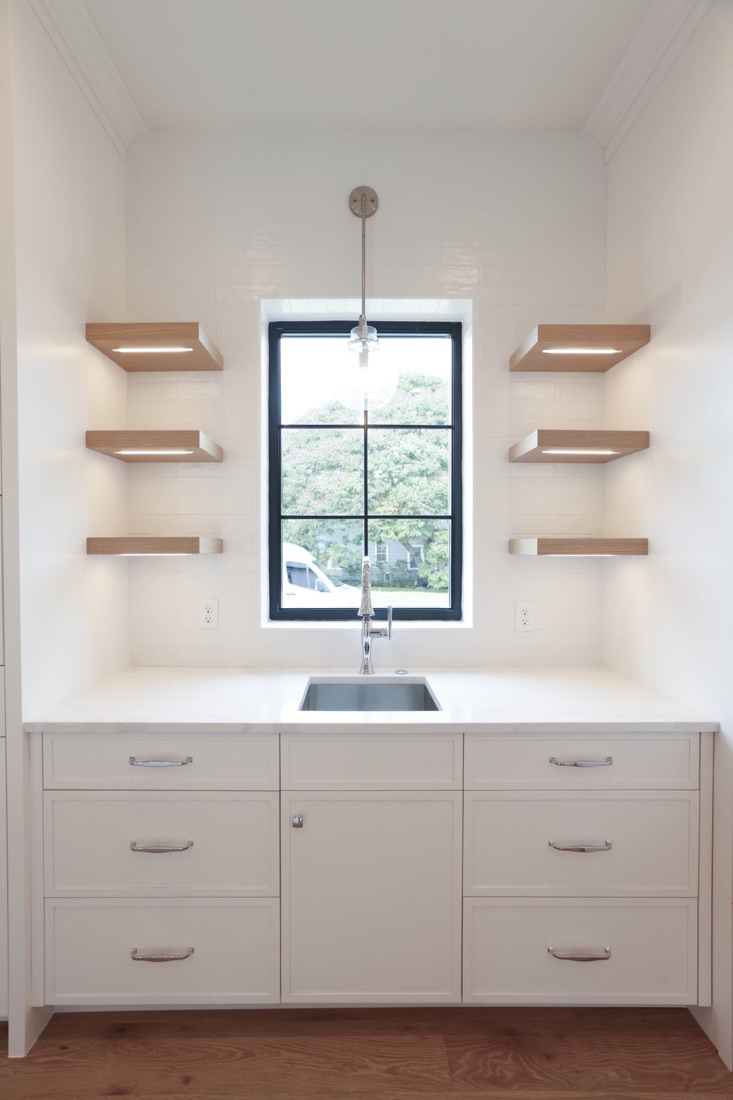
These aren't quirks you adapt to. They're friction points that add up every single day. The National Kitchen and Bath Association says the kitchen work triangle, the path between the sink, stove, and refrigerator, should total no more than 26 feet [Source: nkba.org]. Older layouts routinely blow past that number. So you're not imagining it. Your kitchen is actually making you work harder than you need to.
Here's what most guides get wrong: they treat layout issues as a "nice to fix someday" problem rather than a real functional failure. If your current cabinet placement means you're storing everyday dishes in the wrong zone, or your kids can't safely reach anything without climbing, that's a daily safety and efficiency issue. Not just an aesthetic one. It matters right now.
Florida kitchens have their own specific headaches. Humidity here in Orlando means cabinets that weren't installed with proper clearance from walls or appliances can trap moisture and warp over time [SOURCE TBD: local contractor data]. That warping shifts a cabinet even slightly, and then doors start catching, drawers stick, and the whole layout gets thrown off in ways that are tough to diagnose unless you know what you're looking for.
Older Orlando-area homes run into this constantly: cabinets built to fit a specific refrigerator size from decades ago. The homeowner upgrades to a modern French-door model, and suddenly an upper cabinet is unusable because the door won't clear it.
That's a layout failure that was always there. The new appliance just exposed it.
The corner situation deserves its own moment. Blind corner cabinets, the ones with no pull-out system, just a deep dark hole, are one of the most complained-about features we hear from homeowners. Studies on kitchen organization show that items stored more than 12 inches deep in a cabinet are rarely accessed [SOURCE TBD: kitchen ergonomics research]. Dead storage. In a kitchen where every square foot counts, dead storage is a real cost. Not a hypothetical one.
Rearranging things constantly, storing items in the "wrong" room, avoiding entire sections of your kitchen because they're just not practical. That's the layout failing you. New cabinet placement, designed around how you actually cook and move, changes the way your kitchen feels within the first week. A layout redesign isn't just about adding more storage. It's about putting the right storage in the right place.
Visible Wear and Cosmetic Decline Signals It Is Time for an Upgrade
Most people notice the smell first. Then they look closer and see the peeling. Then they open a drawer and realize the whole front is barely hanging on. Cosmetic wear is one of the clearest signs you need new kitchen cabinets, and it usually tells a bigger story about what's happening underneath.
We pulled a set of cabinets last spring in a home off Curry Ford Road in Orlando. The paint looked rough, but the homeowner figured it was just cosmetic. Once we got the doors off, the substrate behind the finish had swollen and crumbled from years of humidity. What looked like a paint job turned into a full replacement. That's how it goes more often than people expect.
Peeling, Bubbling, and Flaking Finishes
Cabinet finishes don't just peel for no reason. Peeling paint or laminate almost always means moisture got in. Orlando, FL stays humid year-round. The National Oceanic and Atmospheric Administration ranks Florida among the most humid states in the country [SOURCE TBD: NOAA humidity data]. That moisture works its way into cabinet surfaces, especially near the sink, dishwasher, and stove. It doesn't ask permission. It just gets in.
Once the finish starts lifting, the material underneath is exposed. Wood swells. MDF, that pressed wood product used in many budget cabinets, absorbs moisture like a sponge and doesn't bounce back. You can repaint over bubbling surfaces, but you're just covering the problem. It'll come back worse. Always does.
Most guides tell you to sand and repaint. Here's what they leave out: if the substrate is already compromised, no prep work will hold a new finish for long. We've seen homeowners repaint three times in five years because no one told them the core material was shot. By the time someone calls us, the substrate usually isn't salvageable.
Warped Doors and Drawer Fronts That Won't Sit Flat
A warped cabinet door is more than an eyesore. It means the wood or composite material has taken on uneven moisture over time. Doors that bow outward, cup inward, or twist diagonally won't seal properly. That gap at the edge lets in more moisture, more grease, more air. The cycle just continues.
Drawer fronts are even more telling. A drawer front pulling away from the box or sitting at an angle usually means the fasteners have failed because the material around them has softened. Structural issue. Cosmetic face.
Close all your cabinet doors and stand back. Look for gaps, misalignment, doors that hang lower on one side. More than two or three showing visible problems? The cabinet system as a whole is likely degrading. Not just a few isolated pieces.
Discoloration and Surface Staining That Won't Clean Off
Grease, steam, and cooking residue build up on cabinet surfaces over years. Most of it wipes off. But when you're scrubbing hard and the stain stays, or the finish comes off with it, that surface is past its useful life.
Yellowing around the stove area is extremely common in older kitchens. Cabinets near the range take the most heat and grease exposure. The Kitchen Cabinet Manufacturers Association rates cabinet finishes for a specific number of cleaning cycles before degradation begins [SOURCE TBD: KCMA finish durability standards]. Past that point, no cleaning product restores the original appearance. You can scrub forever.
This is a constant in older Orlando homes, especially kitchens that haven't been updated since the 1990s. The cabinets are structurally present, but the surfaces are permanently stained, discolored, or dulled to a point where no amount of cleaning makes the kitchen look clean. That matters if you're thinking about resale. Remodeling Magazine's Cost vs. Value report consistently ranks kitchen updates among the top home improvements for return on investment [SOURCE TBD: Remodeling Magazine Cost vs. Value]. Cosmetic decline isn't just about how things look. It affects how buyers perceive the entire home.
Check the cabinet interiors too. Shelf surfaces that have darkened, stained, or become rough are absorbing spills and bacteria rather than resisting them. That's a hygiene issue. Not just a visual one.
If you've worked through this list and most of it sounds familiar, you're probably not dealing with a few isolated problems. You're dealing with cabinets that have run their course. Give us a call and we can take a look at what you're working with.
Frequently Asked Questions
How do I know if my cabinet boxes are too damaged to repair?
Your cabinet boxes are past repair when screw holes crumble, corners separate, or the wood feels soft and spongy. These are structural failures, not cosmetic ones. Patching a blown-out screw hole or a warped frame only delays the real fix. If you find soft spots under your sink, separated corners, or crumbling particleboard in more than one cabinet, that's a replacement situation. No amount of new hardware changes what's broken underneath.
Is a bad cabinet layout really worth replacing cabinets over?
Yes, a bad layout is a real functional problem — not just something to live with. The National Kitchen and Bath Association says your kitchen work triangle should total no more than 26 feet [Source: nkba.org]. Many older Orlando kitchens blow past that. If you're reaching over the stove for spices or storing dishes far from the dishwasher every single day, that adds up. Our kitchen cabinet replacement page covers how a new layout can fix these daily friction points for good.
When should I call a professional instead of trying to fix cabinets myself?
Call a professional when you find water damage, mold, or structural failure in the cabinet boxes. The EPA notes that slow leaks under kitchen sinks are among the most common sources of hidden water damage in homes [Source: epa.gov]. What looks like a hinge problem or sticky drawer could actually be a failed cabinet frame. A professional can tell the difference fast. DIY fixes on structural damage usually cost more in the long run than getting it assessed correctly the first time.
Does Orlando's humidity really damage kitchen cabinets faster than other places?
Yes, Orlando's humidity is genuinely hard on kitchen cabinets — especially older ones. The U.S. Department of Energy says indoor humidity above 60% speeds up wood composite breakdown [Source: energy.gov]. Orlando regularly hits that threshold for months during summer. Cabinets built with particleboard, common in Orlando homes from the 1980s through early 2000s, absorb moisture and start to swell and crumble. Florida's climate makes cabinet damage happen faster than in drier parts of the country.
Can I just replace cabinet doors instead of the whole cabinet?
You can replace just the doors, but only if the cabinet boxes are still solid. This is a common mistake — people focus on the doors because that's what they see. But if the box behind the door has soft spots, separated corners, or crumbling screw holes, new doors won't fix anything. Check the inside of your cabinets before deciding. A door that looks great can hide a frame that's already failing.
How do I check for hidden water damage inside my kitchen cabinets?
Run your hand along the interior bottom of your base cabinets, especially under the sink. Soft or spongy spots mean water has been sitting there — likely for a long time. Also check the interior faces of plywood cabinets for peeling or bubbling veneer. That's a sign moisture got inside. Damage usually spreads further than what's visible. By the time you feel softness, mold may already be growing inside the wall cavity behind the cabinet.





Orlando Kitchen Cabinets Gallery
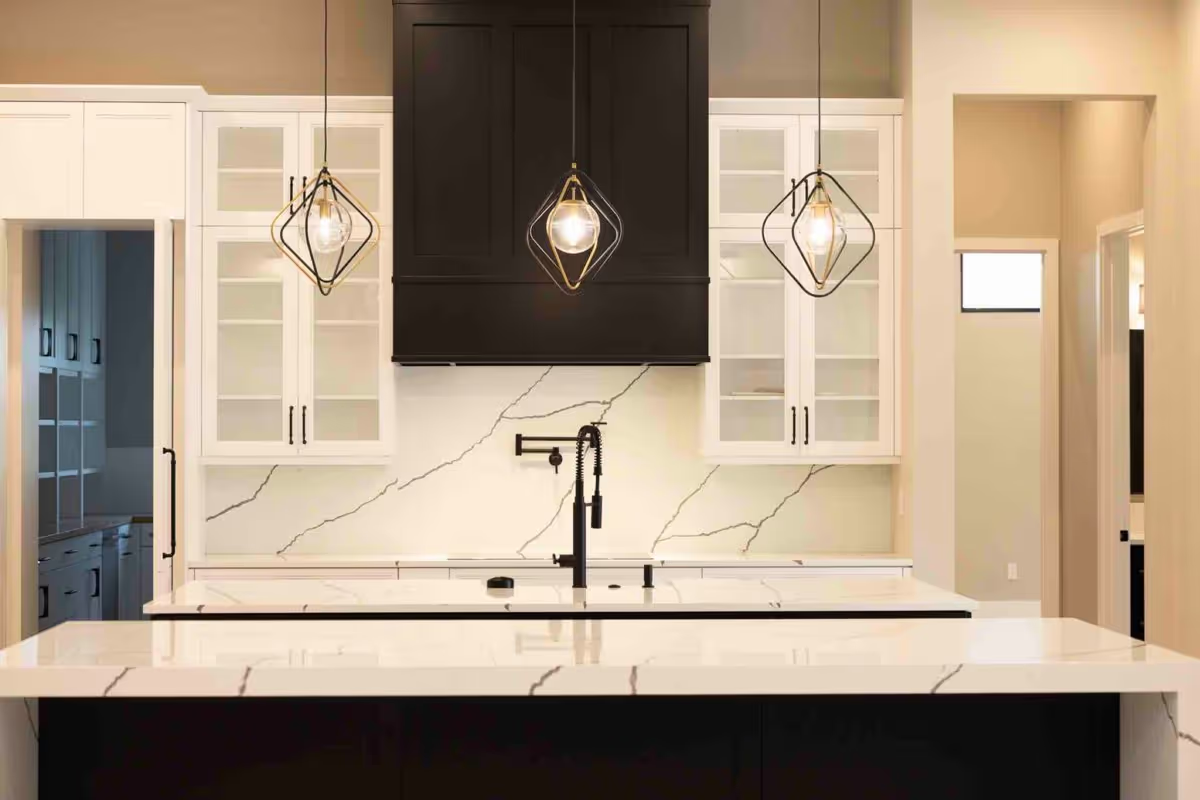
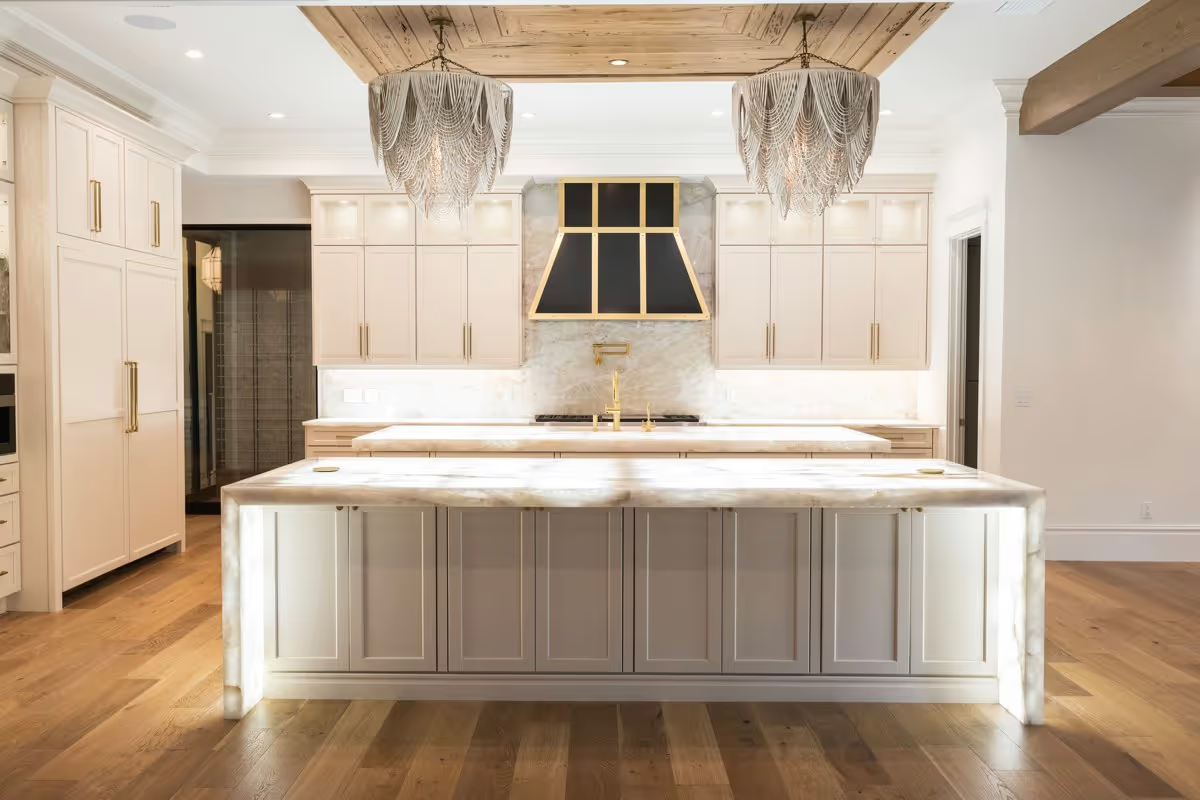
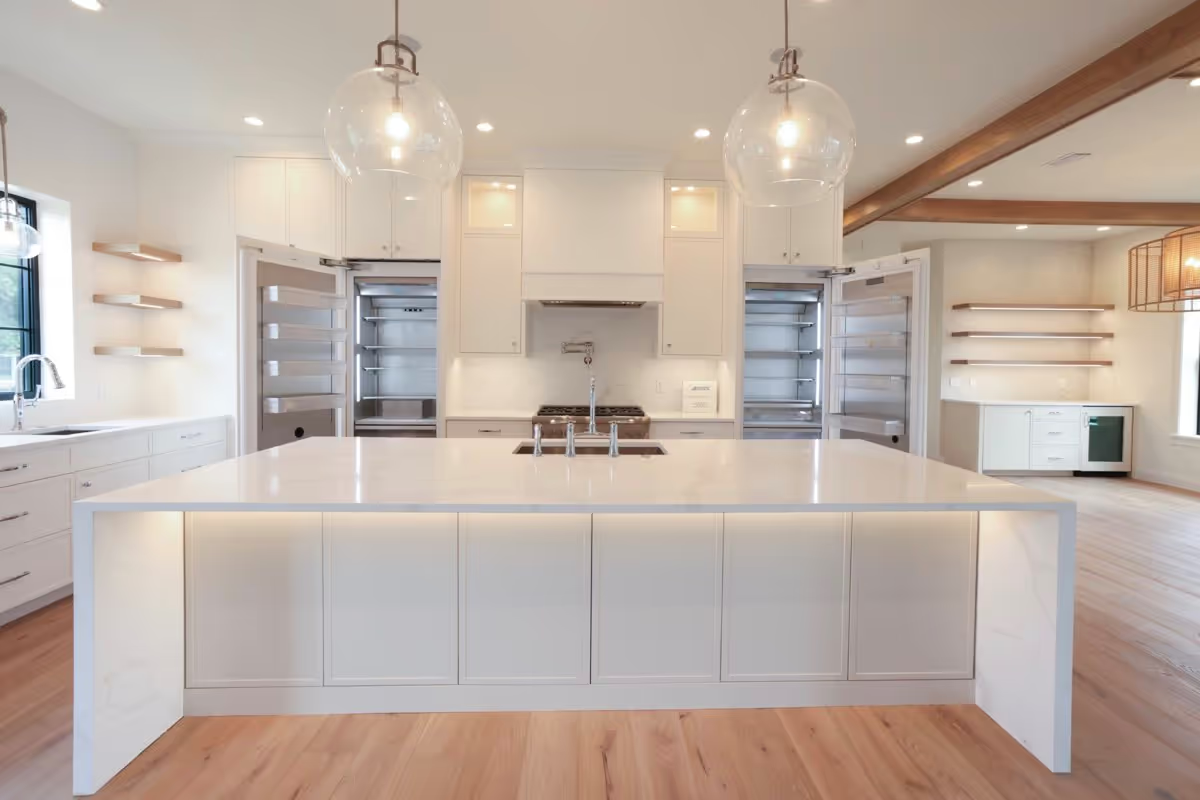
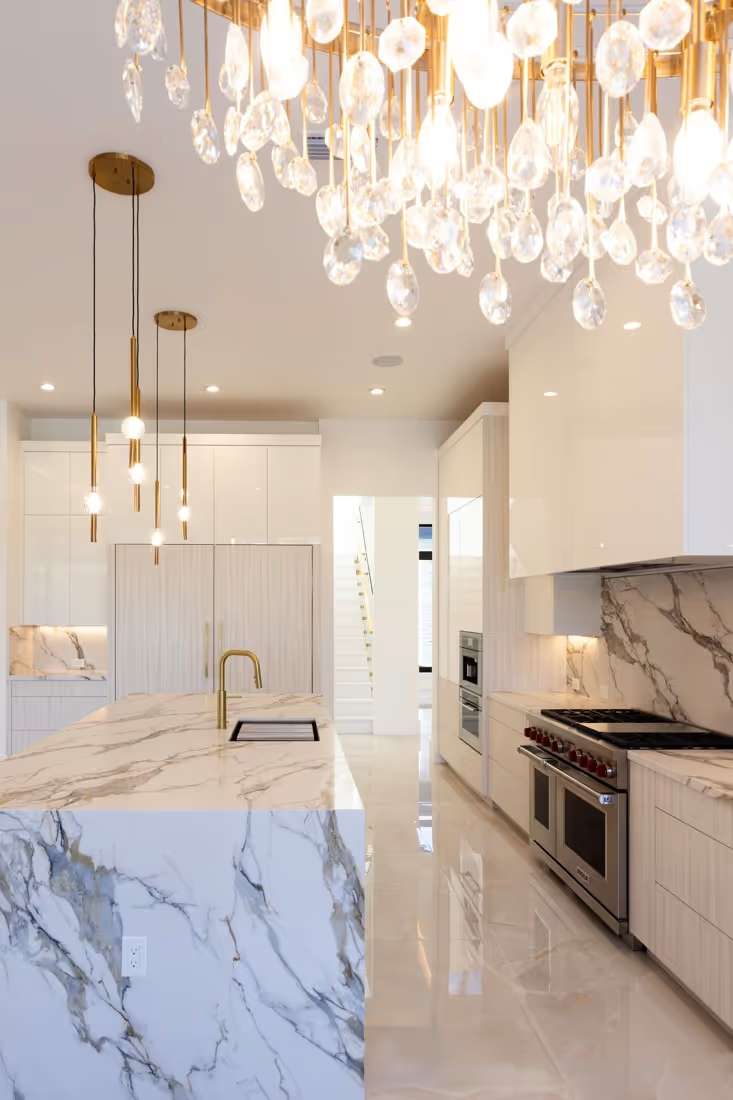
See the craftsmanship and attention to detail behind every Orlando Custom Cabinets kitchen project. Our gallery features real homes across Central Florida where we built custom cabinet solutions to fit each client's space and style. Look through our work and imagine what we can create for your kitchen.