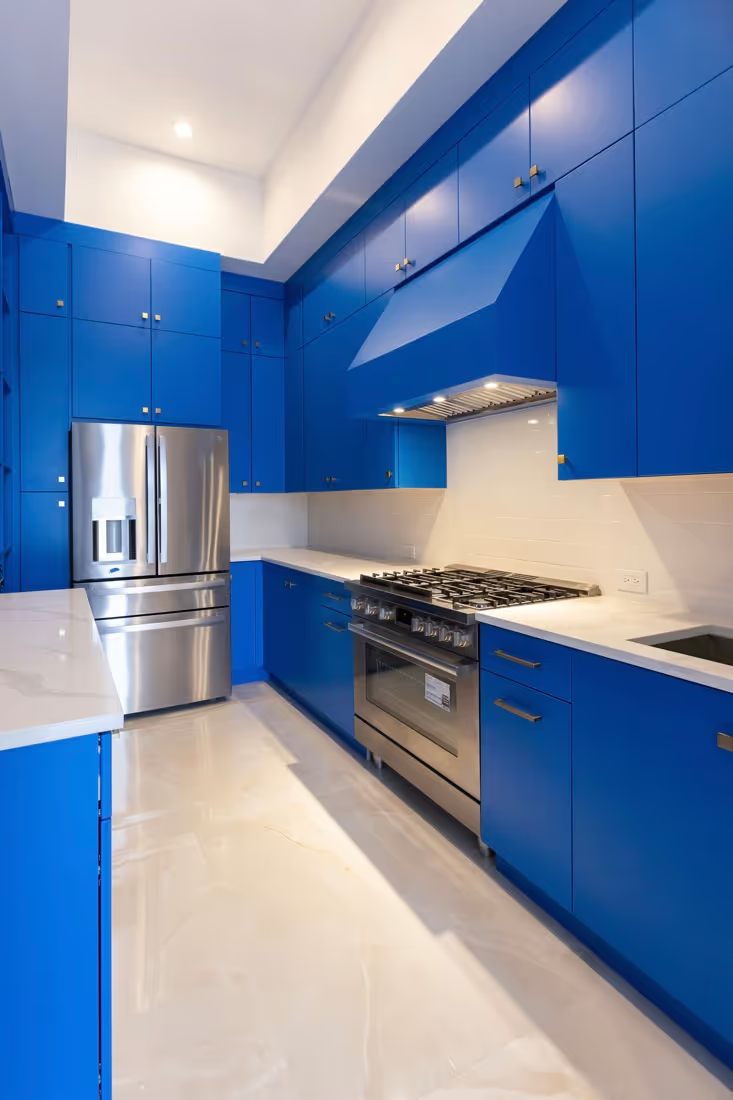
What Is the Most Expensive Part of a Kitchen Remodel and How Can You Save?
You started pulling numbers together for your kitchen remodel — and now you're wondering if you read the estimate wrong. You didn't. What is the most expensive part of a kitchen remodel and how can you save isn't just a budget question. It's the question that determines whether your project finishes the way you planned or turns into something you're still paying off two years later. The answer isn't complicated, but it is specific: cabinetry and labor are where most Orlando kitchens blow their budgets — and knowing exactly why puts you in a position to make smarter decisions before anything gets ordered or demoed.
According to the National Kitchen and Bath Association, cabinetry alone can account for 29% to 35% of a total kitchen remodel budget. That's more than countertops, appliances, or flooring combined. In a market like Orlando, FL — where material costs have climbed since 2021 and skilled trade labor stays in high demand — that percentage can push even higher on mid-range and full custom builds.
Why Cabinetry Costs So Much
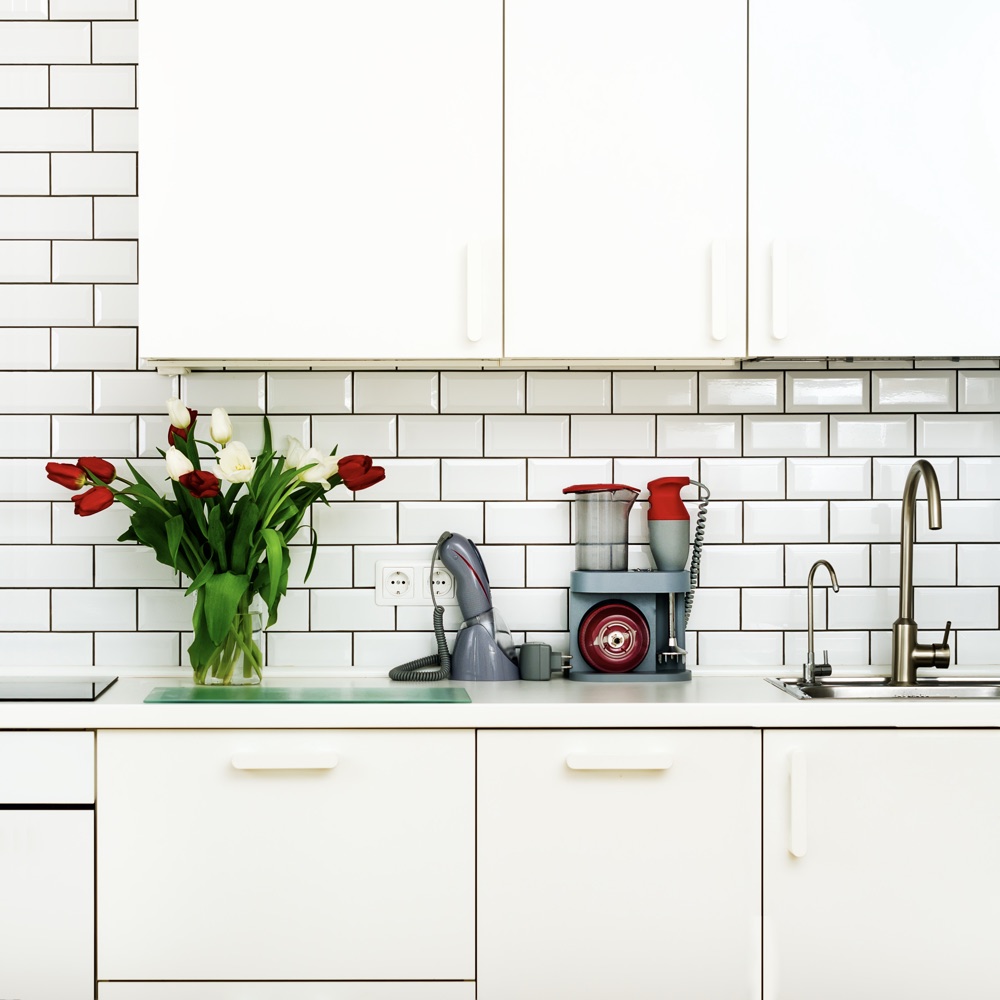
Cabinets aren't just boxes. They're the structural backbone of your kitchen. Every other element — countertops, appliances, plumbing rough-ins — gets positioned around them. When cabinets are custom-built, you're paying for design time, material selection, shop fabrication, delivery, and installation. Five separate cost layers before a single door goes on a hinge.
Semi-custom and stock cabinets cost less, but they come with tradeoffs. Stock cabinets are built in fixed sizes. If your kitchen walls don't land on those exact dimensions — and in most Orlando homes built before 1990, they won't — you're filling gaps with filler strips or custom end panels. Those add-ons chip away at your savings fast.
We pulled measurements on a job in a 1970s ranch-style home in the Conway area last year. The homeowner had priced stock cabinets online and felt confident in the number. Once we laid out the actual wall dimensions, four of the eight cabinet runs needed filler panels, and one corner required a custom lazy-susan unit. The final cabinet cost was 40% higher than the online estimate. That's not unusual — it's actually pretty common in older Florida homes.
Most guides tell you to just "choose stock over custom to save money." Not wrong, but incomplete. The real savings come from designing your layout to match standard cabinet sizes from the start — not retrofitting a standard product into a non-standard space. If you're navigating these decisions and want a second set of experienced eyes on your plan, our kitchen remodeling services in Orlando page walks through how we approach layout planning before anything gets ordered.
Labor Is the Second Biggest Cost — And the Hardest to Cut

After cabinetry, labor is where budgets bleed. According to HomeAdvisor, labor typically makes up 20% to 35% of a kitchen remodel's total cost. That range is wide because labor costs depend heavily on what's being moved, added, or removed — not just what's being installed.
A straight cabinet swap with no layout changes is straightforward. But the moment you move a sink, relocate an island, or open a wall to expand the kitchen footprint, you're pulling in plumbers, electricians, and possibly structural contractors. Each trade carries its own mobilization cost. In the Orlando metro area, skilled tradespeople are booked out weeks in advance.
Here's what most homeowners don't realize. Labor costs don't scale linearly with project size. A small layout change — say, moving the sink 18 inches to center it under a new window — can add a full day of plumbing labor, a permit pull, and a re-inspection. We've seen single sink relocations add meaningful cost to otherwise simple remodels. The homeowner was genuinely surprised every time.
The honest way to save on labor is to minimize layout changes. Keep your sink where it is. Keep your range where it is. If you love the idea of an island, make sure there's already clearance for it without moving plumbing or electrical panels. Design around your existing infrastructure, and you keep your labor costs closer to the low end of that range.
Countertops: High Visibility, High Cost — But Manageable
Countertops are the third major cost driver in most kitchen remodels. They're also the element homeowners tend to over-invest in because they're so visible. Natural stone — particularly quartzite and marble — carries a premium that isn't always justified by durability. Engineered quartz performs comparably for most households and costs less per square foot.
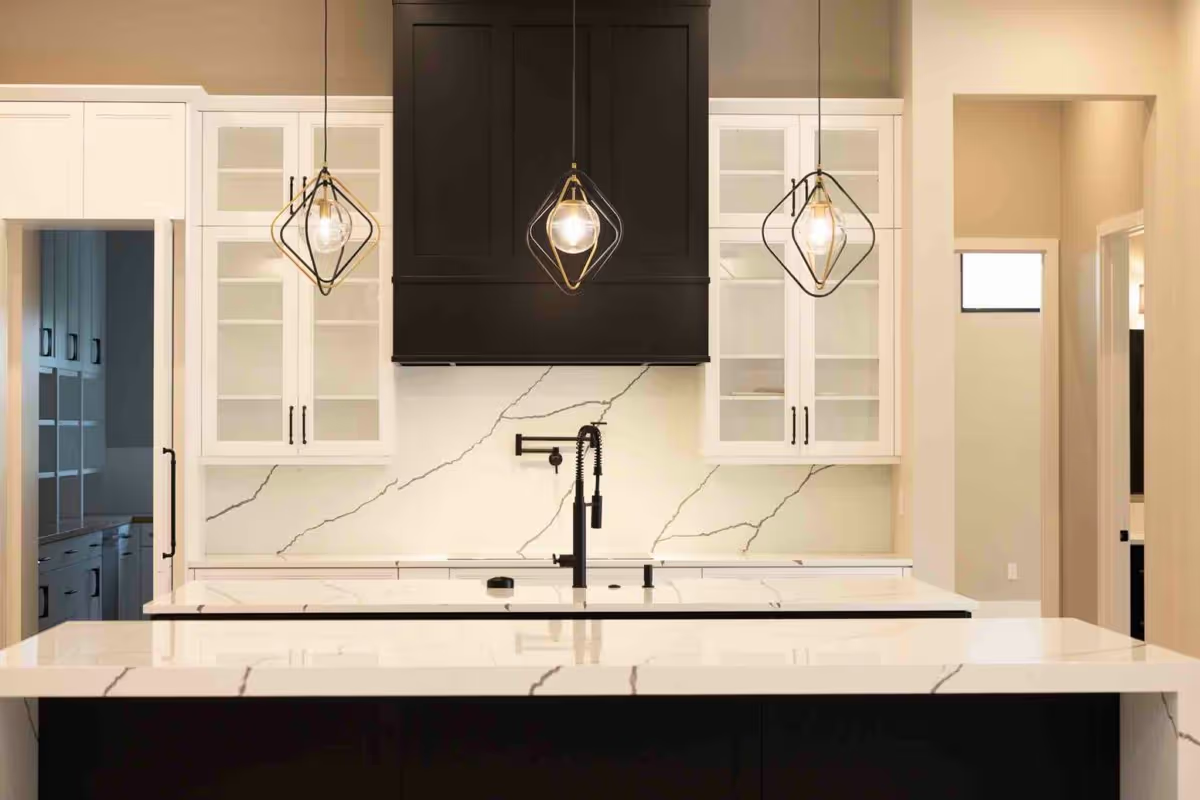
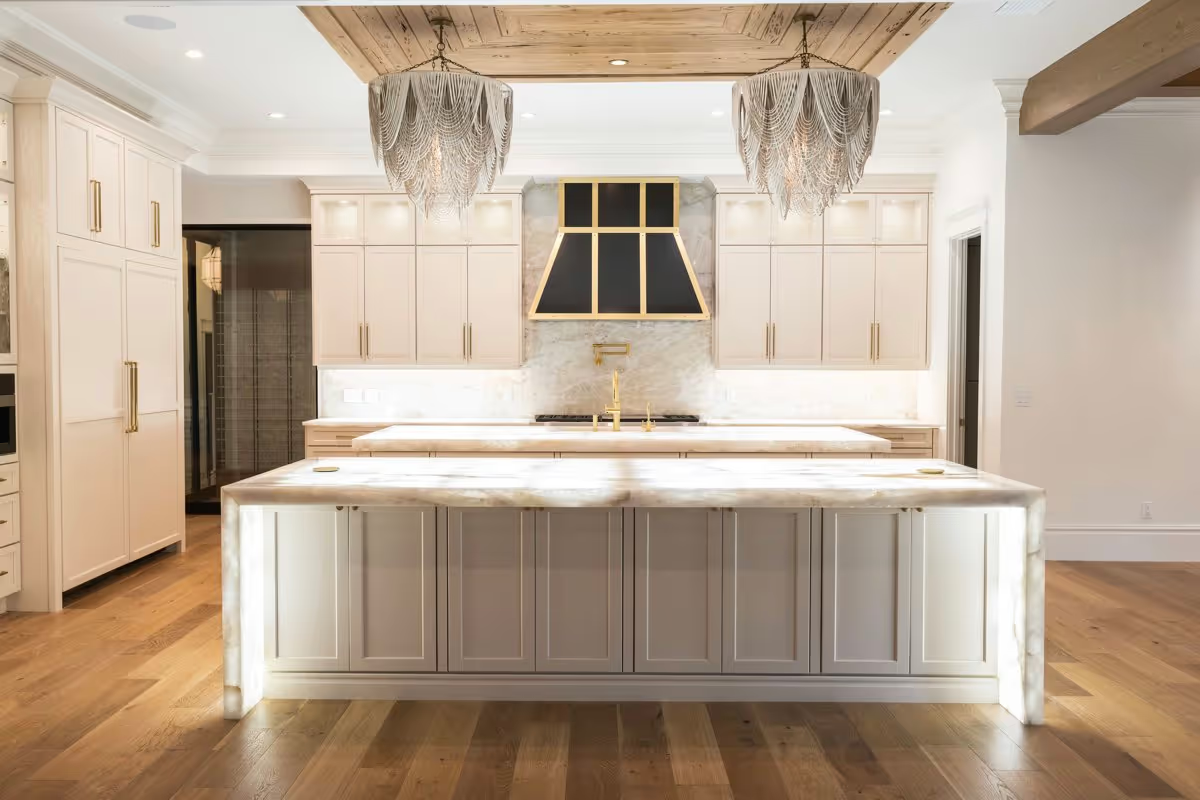
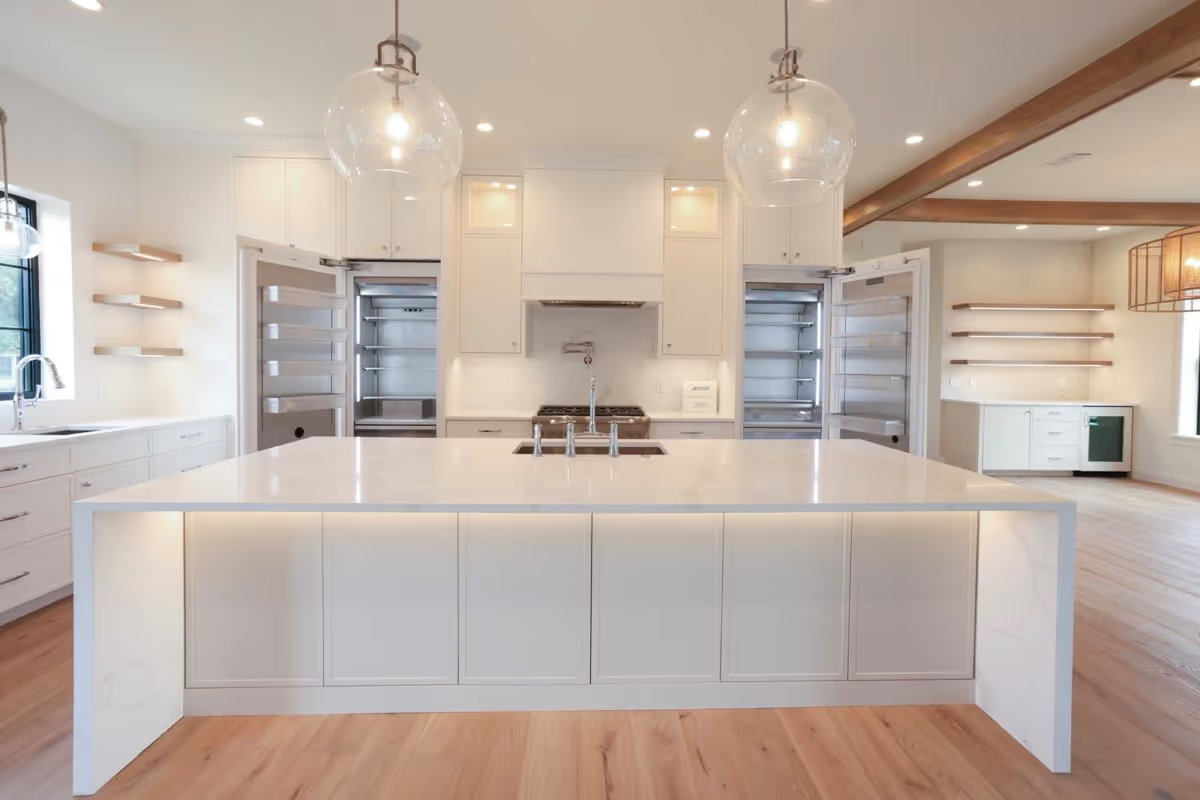
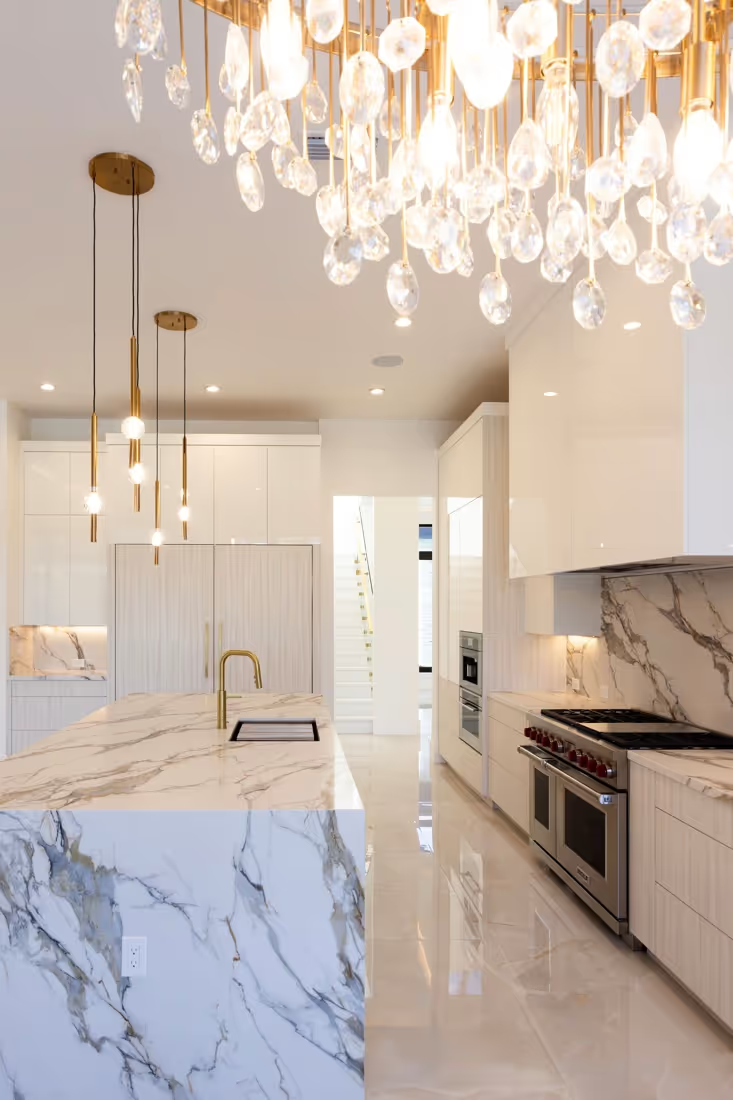
The real countertop cost trap? Edge profiles and cutouts. A basic eased edge on a standard quartz slab is priced into most quotes. But waterfall edges, ogee profiles, double-thick mitered edges, and multiple sink or cooktop cutouts all add fabrication time — and fabrication time adds cost. One Orlando job we did had a beautiful island with a waterfall edge on both ends. The countertop itself was mid-range quartz, but the edge work pushed fabrication cost up by nearly a third compared to a standard edge on the same material.
Want to save on countertops without sacrificing appearance? Choose a simpler edge profile and limit the number of cutouts. A single undermount sink cutout is standard. Two cutouts — one for the sink, one for a cooktop — doubles the fabrication complexity. That's a real number worth knowing before you finalize your layout.
Where Homeowners Actually Save — Without Cutting Corners
There are legitimate ways to reduce cost on a kitchen remodel. But they require making decisions early — not scrambling to cut after the contract is signed.
Keep the layout. This is the single highest-leverage decision you can make. Keeping your sink, range, and refrigerator in their current positions eliminates the need for plumbing relocation, electrical rough-in changes, and structural modifications. According to Remodeling Magazine's Cost vs. Value report, mid-range kitchen remodels that preserve the existing layout recover a higher percentage of cost at resale than full gut remodels that reconfigure the space. [Source: Remodeling Magazine Cost vs. Value Report, remodeling.hw.net]
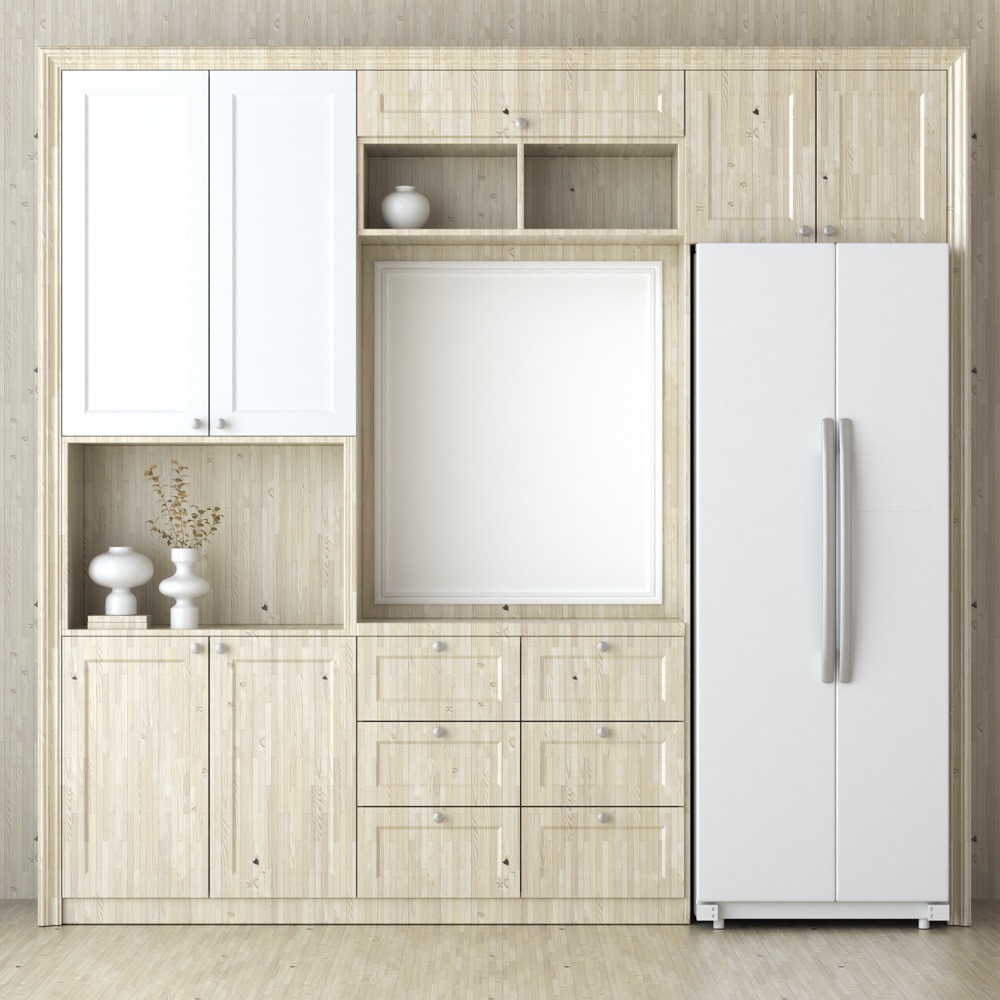
Reface instead of replace. If your cabinet boxes are structurally sound — no water damage, no warped frames — refacing the doors and drawer fronts gives you a completely new look at a fraction of full replacement cost. We've done refacing jobs in Orlando where the homeowner couldn't tell the difference from new cabinets in photos. The key is making sure the box itself is worth saving. If it's not, replacement is the right call.
Stage your project. Not everything has to happen at once. New countertops and a fresh backsplash can transform a kitchen visually without touching cabinets or appliances. Some homeowners in the Orlando area do a phased remodel over two or three years — countertops and fixtures first, cabinets second, appliances when the originals wear out. This approach spreads cost without sacrificing quality on any single phase.
Be specific in your quote requests. Vague project descriptions produce vague estimates. The more detail you give a contractor upfront — exact cabinet dimensions, countertop material and edge profile, fixture locations — the more accurate your quote will be. Surprises during demo are the number one reason remodel costs run over budget. A detailed scope of work protects you as much as it protects the contractor.
The Orlando Factor: Why Local Conditions Change the Math
Florida's climate creates remodel considerations that don't show up in national cost guides. Humidity is the big one. Cabinet materials that perform well in dry climates can swell, warp, or delaminate in the Orlando area's year-round humidity if they're not properly sealed or if kitchen ventilation is inadequate.
We've opened walls during kitchen remodels in older Orlando homes and found moisture damage behind cabinets installed without a proper vapor barrier — something our team has encountered consistently enough across hundreds of local projects to treat it as a standard inspection point. The original remodel looked fine on the surface for years. But the damage was accumulating underneath. Addressing that during a remodel — adding proper ventilation, using moisture-resistant cabinet materials, sealing the wall cavity correctly — adds some cost upfront but prevents a much larger problem later.
Permit requirements in Orange County also affect remodel timelines and costs. Any work that involves electrical panel changes, plumbing relocation, or structural modifications requires a permit and inspection. [Source: Orange County Building Division, orangecountyfl.net] Skipping permits to save money is a short-term decision with long-term consequences — especially when you go to sell the home and a buyer's inspector finds unpermitted work.
The Orlando remodel market runs hot in certain seasons. Spring and early fall book up fast as homeowners try to avoid peak summer heat during construction. Scheduling your project in late fall or winter often means better contractor availability and sometimes better pricing on materials as supplier inventory cycles reset.
The One Cost Most People Forget to Plan For
Demo surprises.
Every experienced remodeler in Orlando has a story about what was behind the drywall. Old plumbing that doesn't meet current code. Knob-and-tube wiring that has to be replaced before any new electrical work can be permitted. Subfloor rot from a dishwasher leak that was never properly repaired. These aren't rare — they're common in homes built before 1980, and Orlando has a lot of them.
A standard industry recommendation is to hold back 10% to 20% of your total remodel budget as a contingency reserve. [Source: National Association of Home Builders, nahb.org] That's not pessimism — it's experience. Homeowners who plan for surprises finish their remodels without financial stress. The ones who don't often have to pause mid-construction while they figure out how to cover the unexpected cost. If you're ready to put together a budget that actually accounts for what's behind Orlando's walls, it might be time to talk to a kitchen remodeling professional in Orlando who can give you a clear, detailed estimate before anything gets demoed.
Now that you know where the real costs live — and how to make decisions that keep your budget intact — let us handle the rest. Our kitchen remodeling services in Orlando page walks through our full process, phase by phase. When you're ready to get a clear, detailed estimate on custom kitchen cabinets in Orlando or a full remodel, call us at (321) 624-0760 or schedule a consultation online. No vague ranges. Just straight answers from a team that's seen what's behind Orlando's walls.
Request a Quote
Use the form below to tell us about your project, An experienced designer will be in touch with you shortly.
Frequently Asked Questions
What is the most expensive part of a kitchen remodel?
Cabinetry is the most expensive part of a kitchen remodel. According to the NKBA, cabinets can take up 29% to 35% of your total budget. That's more than countertops, appliances, or flooring. Labor comes in second, adding another 20% to 35% on top. Together, those two categories are where most Orlando kitchens go over budget. Understanding this early helps you make smarter choices before anything gets ordered or torn out.
How does living in Orlando, FL affect kitchen remodel costs?
Orlando's climate and housing stock both affect your budget. Many local homes were built in the 1970s and 1980s with non-standard wall layouts and older plumbing. Material costs have also climbed since 2021, and skilled trade labor stays in high demand across the metro area. Booking contractors weeks out is normal here. That tight labor market means any layout change — like moving a sink — costs more in Orlando than national averages might suggest.
Can I really save money by choosing stock cabinets over custom ones?
Stock cabinets can save money — but only if your kitchen layout is designed around standard cabinet sizes from the start. If you buy stock cabinets and then try to fit them into an older kitchen with irregular walls, you end up paying for filler panels and custom add-ons that wipe out your savings fast. The real strategy is to design your layout first, then choose your cabinet type. That order of decisions makes a much bigger difference than the cabinet line you pick.
Why do kitchen remodels cost so much more than the online estimates I find?
Online estimates are built around ideal conditions — and most real kitchens don't match them. Older Orlando homes, especially those built before 1990, rarely have walls that line up with standard cabinet sizes. That means filler panels, custom corner units, and extra labor to make everything fit. One small layout mismatch can push your cabinet cost up by 40% or more. Our full breakdown on kitchen remodeling in Orlando explains how layout planning before ordering saves real money.
Is it a mistake to move the sink or range during a kitchen remodel?
Moving your sink or range is one of the most common mistakes homeowners make when trying to improve a kitchen layout. It feels like a small change, but it pulls in plumbers, electricians, and sometimes structural contractors. Each trade adds its own cost. Even moving a sink 18 inches can mean a full day of plumbing labor, a permit pull, and a re-inspection. Keeping your appliances and plumbing in place is the single best way to control labor costs.
What is the easiest way to lower countertop costs without making the kitchen look cheap?
Choose a simpler edge profile and limit your cutouts. A basic eased edge on engineered quartz looks clean and costs far less than waterfall or ogee profiles. Every extra cutout — for a cooktop, prep sink, or built-in appliance — adds fabrication time and cost. Engineered quartz also performs comparably to natural stone for most households at a lower price per square foot, according to Consumer Reports. Small choices in the design phase add up to real savings at the fabrication stage.





Orlando Kitchen Cabinets Gallery
See the craftsmanship and attention to detail behind every Orlando Custom Cabinets kitchen project. Our gallery features real homes across Central Florida where we built custom cabinet solutions to fit each client's space and style. Look through our work and imagine what we can create for your kitchen.