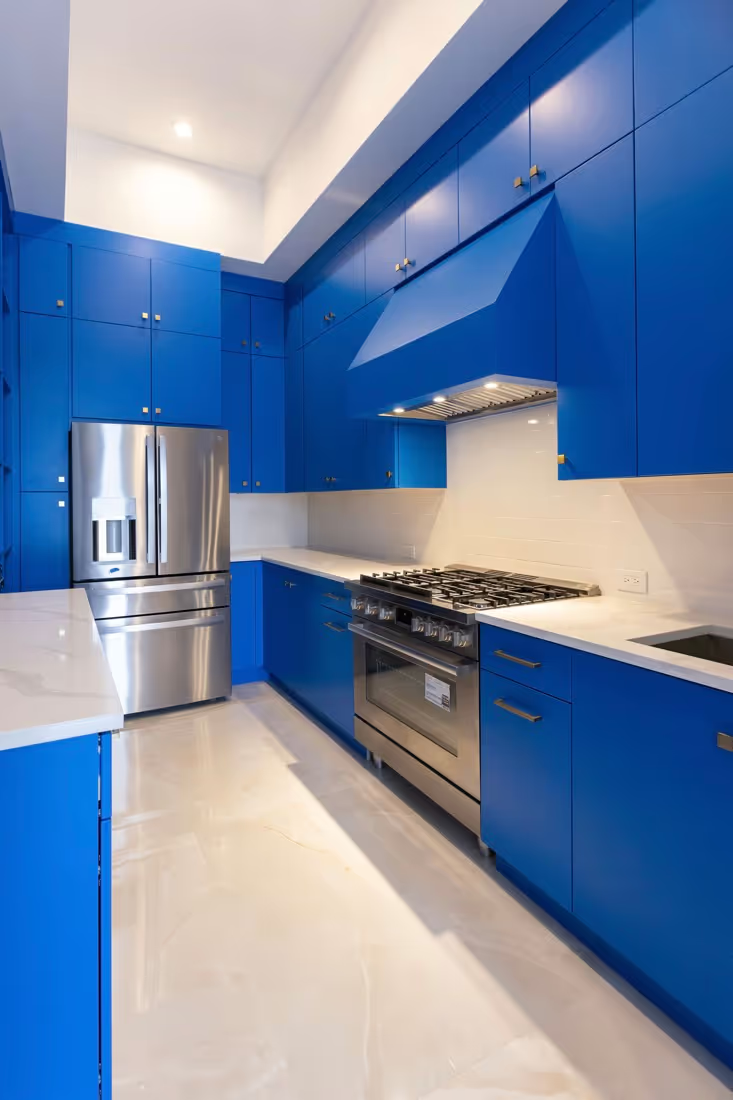
Best Materials for Custom Cabinets in Orlando's Humid Climate
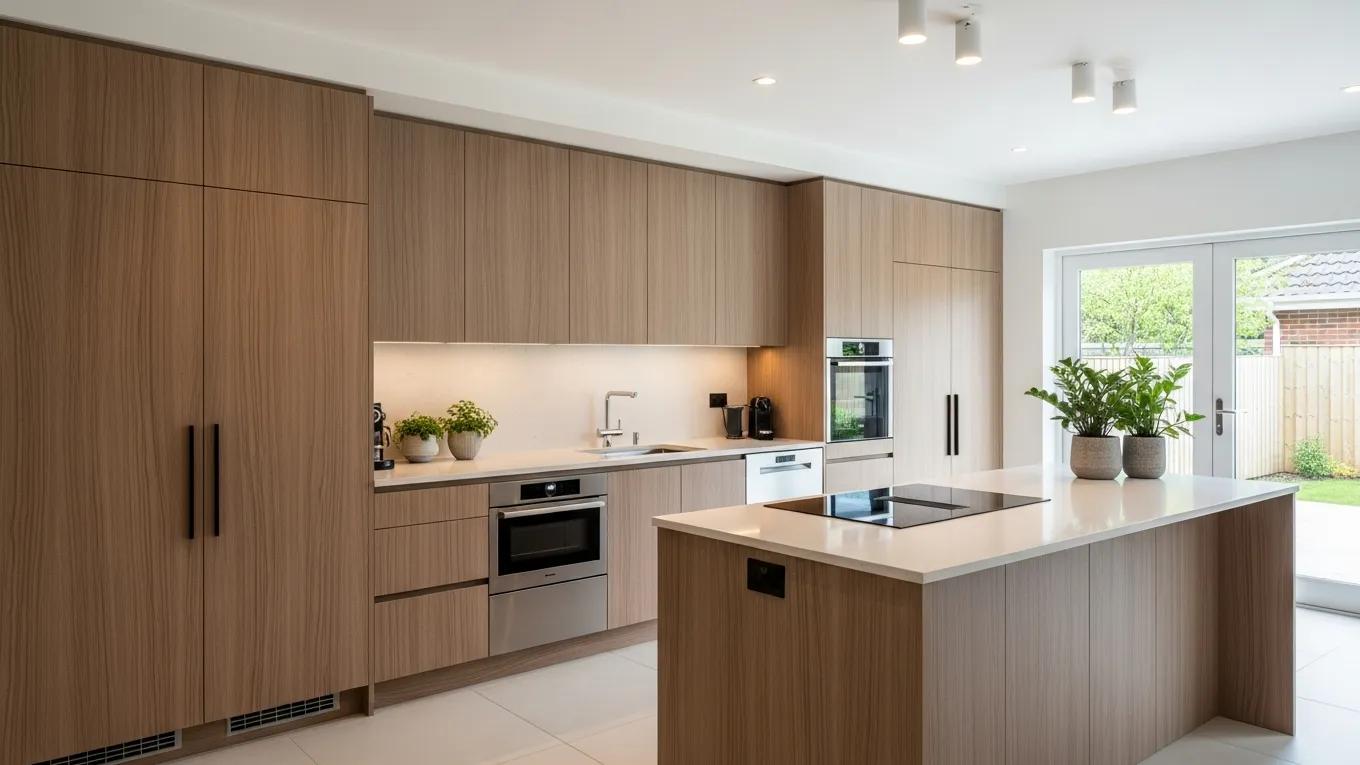
By Jimmy Ballard, Cabinet Maker in Orlando
Orlando's humid climate creates specific risks for custom cabinetry — and custom cabinetry in Orlando that isn't built with moisture resistance as a baseline won't stay functional or attractive for long. High humidity can cause warping, mold, and material breakdown if left unaddressed. This guide summarizes the best materials, finishes, construction details, and maintenance practices to resist humidity in Central Florida so you can select custom cabinetry in Orlando that holds up as well ten years from now as it looks on install day.
Which Wood Types Offer Superior Moisture Resistance for Orlando Cabinets?

Prioritize species and engineered panels with inherent or treated moisture resistance. The right choices reduce swelling, distortion, and the chance of finish failure. Common options that perform well in humid conditions include:
- Maple: Durable and less prone to warping thanks to a tight grain structure that limits moisture absorption.
- White Oak: Contains natural oils that improve resistance to moisture, making it a strong choice in humid environments.
- Marine-Grade Plywood: Built with waterproof glues and select veneers to resist delamination and long-term moisture damage.
How Does Marine Grade Plywood Withstand Florida's Humidity?
Marine-grade plywood uses waterproof adhesives and high-grade veneers to resist moisture, warping, and delamination. It's intended for wet or humid conditions and helps cabinets remain structurally sound and visually consistent over time.
What Are the Benefits of Engineered Woods Like MDF with Moisture Sealants?
Medium-density fiberboard (MDF) is often treated or coated to improve humidity performance. When sealed and edge-banded, MDF provides predictable behavior, precise shaping for custom details, and cost-effective results for many cabinet styles.
- Moisture Resistance: Proper sealants and edge treatments limit water ingress and surface swelling.
- Design Flexibility: Engineered panels accept profiles, grooves, and paint finishes more consistently than some solid woods.
- Long-Term Value: With correct construction and maintenance, engineered woods offer durable, economical cabinetry.
Further research supports that specific treatments and construction methods for engineered panels improve their durability and service life in humid environments.
Enhancing Cabinet Longevity with Coated MDF and Edge Banding
This study manufactured and tested full-size four-sided cabinets from two MDF types: melamine-coated MDF with edge banding and uncoated MDF without edge banding. The results strongly recommend using coated MDF and edge banding in cabinet construction to improve load-bearing capacity and extend service life.
Effect of laboratory-accelerated aging treatment on the ultimate strength of a 4-sided MDF kitchen cabinet, 2013
What Finishes and Coatings Protect Cabinets from Warping and Moisture?
Finishes form the first line of defense against moisture. A properly applied coating slows water penetration, protects the substrate, and extends service life in Orlando's climate.
- Moisture-Resistant Finishes: Varnishes and factory-applied systems create a continuous barrier to slow moisture ingress.
- Marine-Grade Coatings: Formulated for high-humidity environments, these coatings add robustness where exposure risk is higher.
- Application Methods: Consistent, correct application (sealing edges, adequate dry times, and full coverage) is as important as the coating choice.
Which Cabinet Finishes Provide Long-Lasting Humidity Protection?
Properly applied varnishes, conversion finishes, and factory-grade coatings help solid hardwoods resist moisture damage. Avoid particleboard in moisture-prone zones because it absorbs water more readily. Regular maintenance and timely recoating lengthen the life of finished cabinetry.
How Do Advanced Moisture-Resistant Coatings Enhance Cabinet Durability?
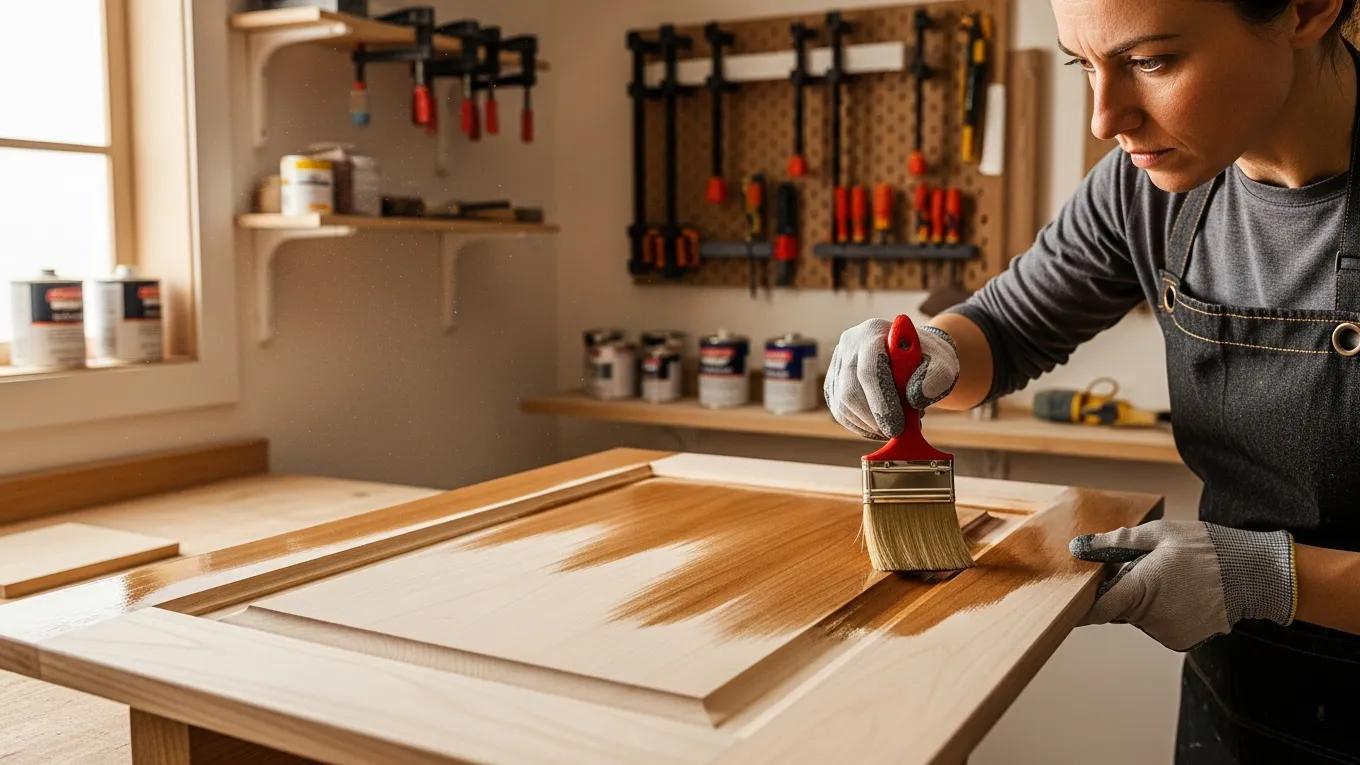
Products like polyurethane and lacquer form hard, moisture-resistant surfaces that also resist scratches and stains. Conversion varnish provides excellent protection and durability, which is why it's common on higher-end cabinetry.
How Do Design Strategies Prevent Warping in Custom Cabinets for Humid Environments?
Design choices and construction details that limit moisture entry and allow balanced movement reduce warping risk. Practical planning for humidity control helps cabinets remain stable and functional.
- Material Choices: Start with moisture-tolerant substrates appropriate to the installation environment.
- Construction Techniques: Proper joinery, sealed edges, and stable panel orientation improve dimensional stability.
- Maintenance Tips: Routine checks and quick repairs prevent small issues from becoming failures.
What Construction Techniques Improve Cabinet Stability in Orlando's Climate?
Strong joinery—such as dovetails or mortise-and-tenon—adds mechanical stability while edge sealing and full-panel gluing reduce entry points for moisture. These practices keep cabinets sturdy and functional in humid conditions.
How Does Proper Ventilation Contribute to Cabinet Longevity?
Air circulation prevents trapped moisture that contributes to mold and swelling. Where possible, use open shelving, create discreet venting behind cabinets, or ensure HVAC and dehumidification keep relative humidity in check.
What Maintenance Practices Ensure Durable Cabinetry in Florida's Humidity?
Consistent maintenance preserves cabinet finishes, hardware, and structure. Quick response to spills, leaks, and visible changes will slow deterioration and protect performance.
- Cleaning Methods: Use gentle, wood-safe cleaners and avoid excess water during cleaning.
- Inspection Frequency: Check cabinets at regular intervals for signs of moisture damage or separation.
- Care Tips: Address leaks and high-humidity sources promptly to prevent long-term issues.
Which Cleaning and Care Methods Protect Moisture-Resistant Materials?
Choose cleaners formulated for wood and finished surfaces, dust regularly, and perform periodic deeper cleans without oversaturating surfaces. Avoid harsh solvents that can degrade coatings.
How Often Should Cabinets Be Inspected for Humidity Damage?
Inspect cabinets at least twice a year for swelling, separation, discoloration, or mold. Promptly address any problems and follow a preventive maintenance schedule to preserve function and appearance.
Conclusion
Choosing moisture-resistant materials, appropriate coatings, and sound construction, then pairing those choices with regular maintenance, is the reliable strategy for durable cabinetry in Orlando's humid climate. Follow the recommendations above to protect your investment and keep cabinets looking and performing their best.





Orlando Kitchen Cabinets Gallery
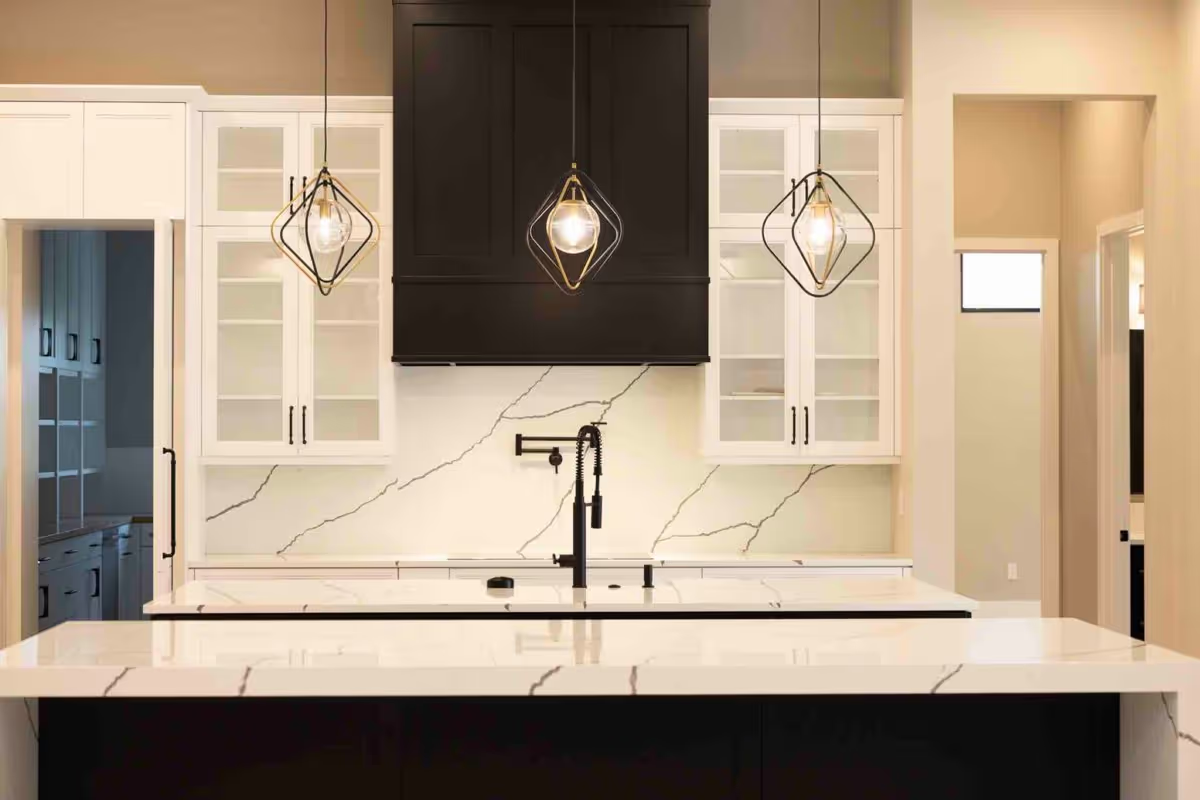
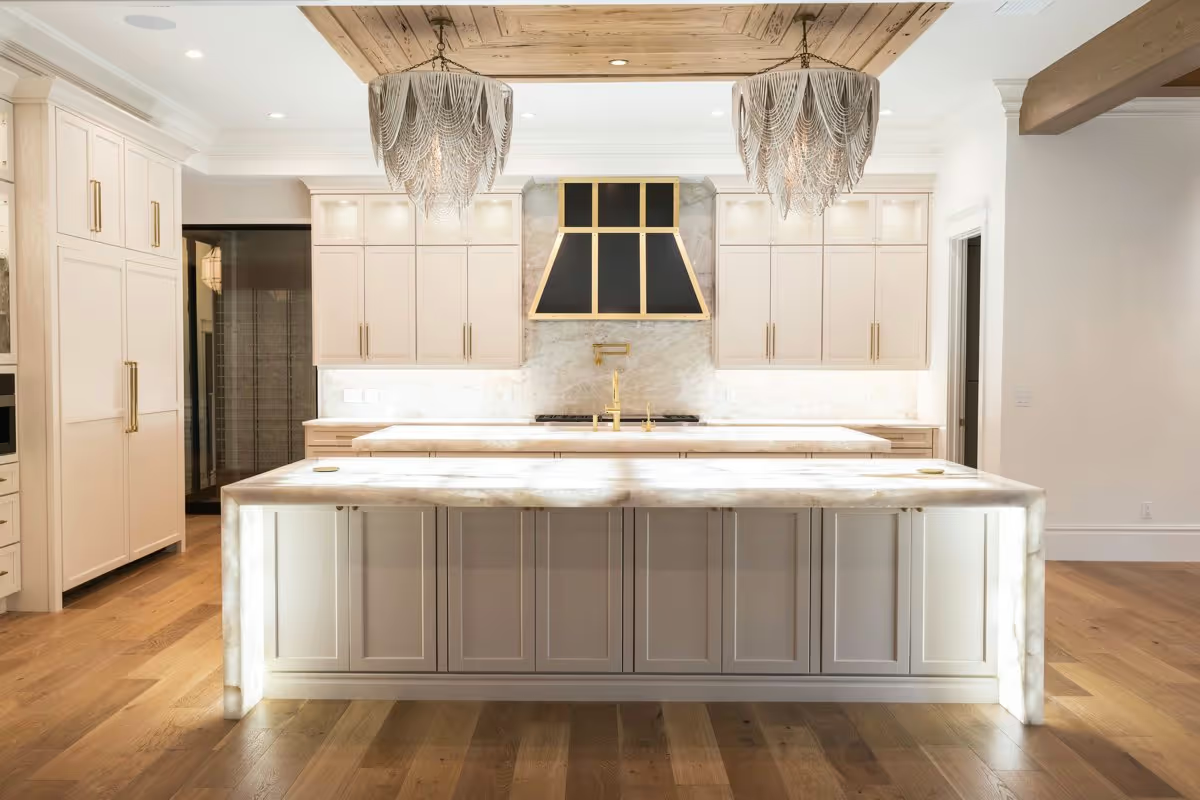
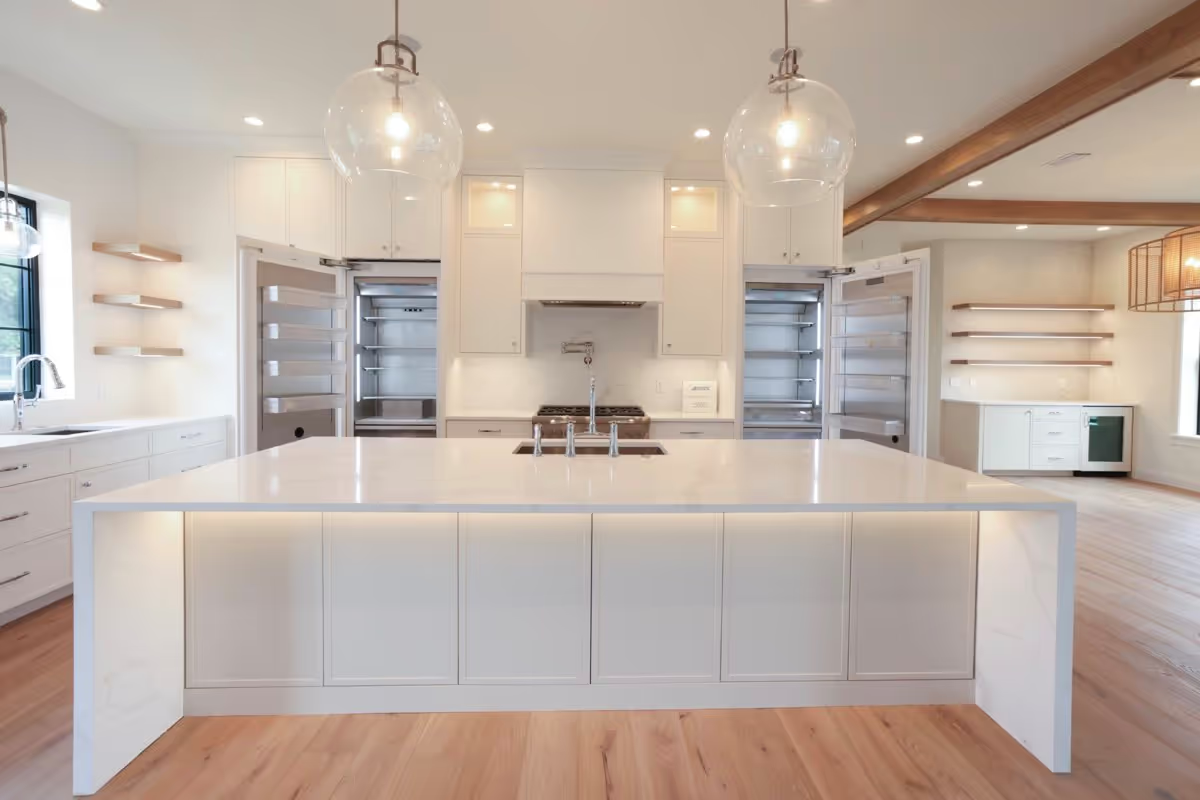
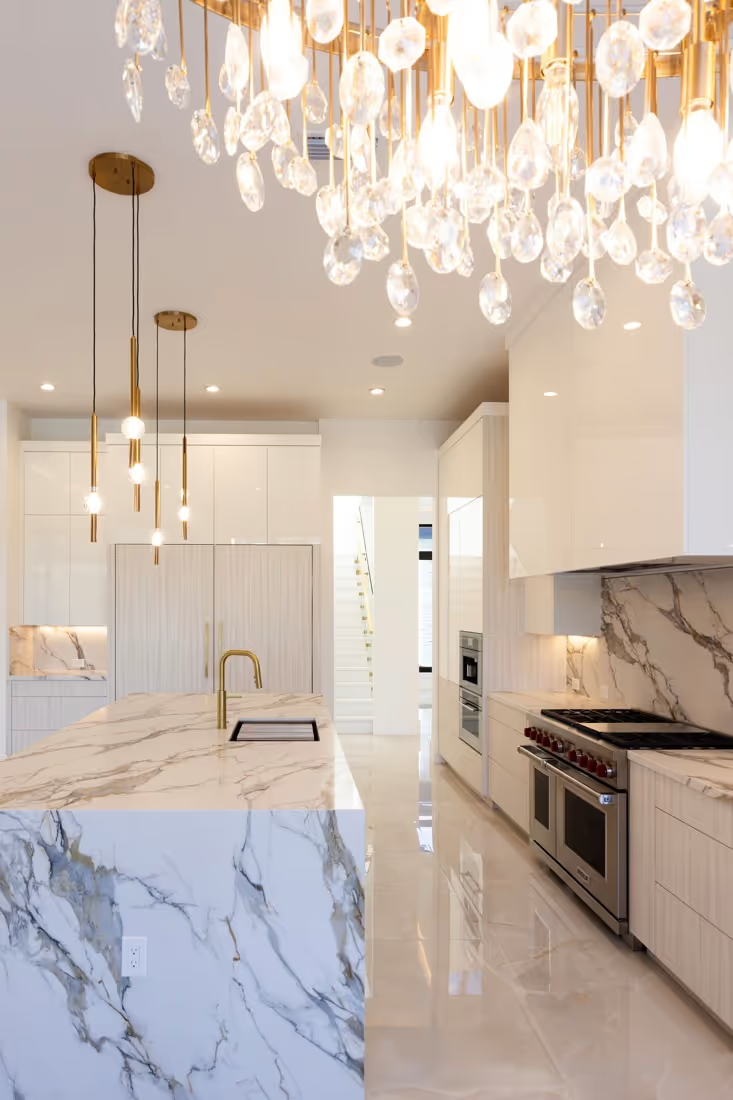
See the craftsmanship and attention to detail behind every Orlando Custom Cabinets kitchen project. Our gallery features real homes across Central Florida where we built custom cabinet solutions to fit each client's space and style. Look through our work and imagine what we can create for your kitchen.